
Nephilim
The Nephilim are enigmatic figures mentioned in the Hebrew Bible, traditionally associated with extraordinary size, strength, or status. Their origins and identity are subjects of extensive debate, with interpretations ranging from giants and fallen angels to elite human warriors. They play a significant role in narratives concerning the pre-flood world and the moral corruption that necessitated divine judgment.
Key Facts
- ›The meaning of the term 'Nephilim' is uncertain, with interpretations including 'giants,' 'fallen ones,' or 'those who cause others to fall.'
- ›They are first mentioned in Genesis 6:1–4 in connection with the 'sons of God' and 'daughters of men.'
- ›Numbers 13:33 describes formidable inhabitants of Canaan as descendants of the Nephilim, contributing to their association with great stature.
- ›Interpretations vary widely, including offspring of rebellious angels (Watchers) and human women, or powerful human rulers and warriors.
- ›Some traditions associate them with ancient near Eastern mythology, giant clans, or heroic demigods.
- ›In popular culture, they are often reimagined as hybrid beings or ancient superhuman races.
Nefilim
Subjects of Theological Interpretation, Figures Associated With Pre-Flood Corruption
Genesis 6:1–4, Numbers 13:33, Ezekiel 32:17–32, Judith 16:6, Sirach 16:7, Baruch 3:26–28, Wisdom 14:6
Sons of God, Daughters of Men, Watchers, Anakites, Rephaite Tribe, People of āD
Novels, Films, Video Games, Speculative Theories
About Nephilim
The Nephilim
The Nephilim are enigmatic figures prominent in the Hebrew Bible and subsequent Jewish and Christian literature. Traditionally associated with extraordinary size, strength, or status, their precise identity and origins are subjects of considerable scholarly and theological debate. The biblical texts offer only brief and often ambiguous descriptions, leaving much room for interpretation across different religious traditions and historical periods.
Biblical Mentions and Interpretations
The earliest biblical reference to the Nephilim appears in Genesis 6:1–4, where they are linked to the 'sons of God' and the 'daughters of men.' This passage sets the stage for discussions about their nature and parentage. Later, in Numbers 13:33, ten of the Twelve Spies report encountering formidable inhabitants in Canaan described as descendants of the Nephilim. This has contributed to the persistent association of the Nephilim with great physical stature, though some scholars suggest this might be an exaggeration or a rhetorical device.
Interpretations of the Nephilim vary significantly. One influential view, particularly from Second Temple literature such as the Book of Enoch, identifies them as the offspring of rebellious angels (the Watchers) and human women. In this narrative, they are depicted as destructive giants whose corruption played a role in the moral decline that preceded the biblical flood. Another prominent interpretation views the Nephilim as powerful human rulers or warriors, possibly arising from the intermarriage between the righteous line of Seth and the unrighteous line of Cain.
A third approach considers the Nephilim as legendary or symbolic figures, drawing parallels with ancient Near Eastern traditions about semi-divine heroes or primordial beings. The etymology of the name 'Nephilim' itself is uncertain, with proposed meanings including 'giants,' 'fallen ones,' or 'those who cause others to fall,' derived from the Hebrew root 'n-p-l' (to fall).
Broader Significance and Legacy
Beyond the canonical Hebrew Bible, related concepts appear in deuterocanonical books, contributing to the development of traditions about ancient giants and divine-human unions. In modern scholarship, the Nephilim are studied within the context of ancient Near Eastern mythology and comparative linguistics. They have also gained considerable prominence in contemporary popular culture, frequently reimagined in novels, films, and video games as hybrid beings or ancient superhuman races, reflecting their enduring mystique and the ongoing fascination with their ambiguous origins and nature.
Source: Wikipedia ↗
Frequently Asked Questions
What does the name Nephilim mean?
The meaning of the term Nephilim is uncertain. Many translations render it as 'giants,' influenced by the Septuagint's use of the Greek term 'gigantes.' Some scholars suggest it derives from the Hebrew root 'n-p-l' ('to fall'), leading to interpretations like 'fallen ones' or 'those who cause others to fall.'
Where are the Nephilim first mentioned in the Bible?
The earliest reference to the Nephilim appears in Genesis 6:1–4, immediately before the account of Noah's Ark. This passage links them to the 'sons of God' and the 'daughters of men.'
Are the Nephilim described as giants?
The Nephilim are traditionally associated with extraordinary size and strength, and many translations render the term as 'giants.' This is partly due to the Septuagint's use of 'gigantes.' However, some scholars argue this association may reflect later traditions or exaggeration rather than literal description.
What is the interpretation of Nephilim as offspring of fallen angels?
This influential view, found in Second Temple literature like 1 Enoch, identifies the Nephilim as the offspring of rebellious angels known as the Watchers and human women. They are portrayed as destructive giants whose corruption contributed to the moral decline before the flood.
What is another major interpretation of the Nephilim's origin?
Another significant interpretation, found in some early Jewish and Christian commentaries, understands the Nephilim as powerful human rulers or warriors. This view suggests they may have arisen from intermarriage between the righteous line of Seth and the unrighteous line of Cain.
How are the Nephilim referenced outside the canonical Hebrew Bible?
Related terms or concepts appear in deuterocanonical books such as Judith, Sirach, Baruch, and Wisdom. Ezekiel 32 also contains a phrase that scholars debate whether it refers directly to the Nephilim or a related class of fallen warriors.
What is the connection between Nephilim and the Anakites?
Numbers 13:33 describes the Anakites, a Rephaite tribe, as descendants of the Nephilim. This passage has contributed to the longstanding association of the Nephilim with great physical stature.
Do Islamic traditions mention the Nephilim?
The Quran refers to the people of Ād in Quran 26:130, whom the prophet Hud declares to be like 'jabbarin' (Hebrew: gibborim), which is likely a reference to the Biblical Nephilim. The people of Ād are said to have been giants, though Islamic legend states they were not wiped out by the Flood but destroyed later for their rejection of warnings.
Related Angels
Abaddon
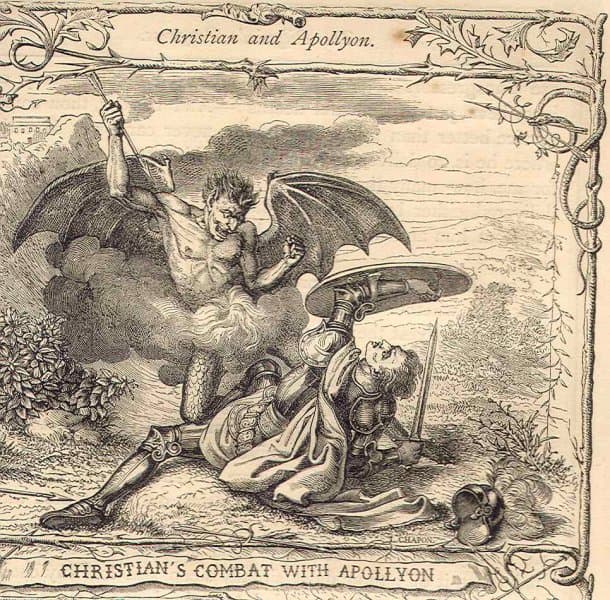
Abaddon, a term originating from Hebrew meaning "destruction" and its Greek equivalent Apollyon meaning "Destroyer," initially referred to a place of destruction or the realm of the dead in the Hebrew Bible. In the New Testament's Book of Revelation, Abaddon is depicted as an angel of the abyss and the king of a locust army, though his identity and role have been subject to various interpretations across different Christian traditions.
Adriel
Adriel was a nobleman from the ancient kingdom of Israel, mentioned in the Bible. His name, derived from Hebrew, signifies "flock of God." He is primarily known through biblical accounts detailing his marital relationships with two of King Saul's daughters, Merab and potentially Michal.
Agiel
Agiel is identified as the Intelligence or beneficial spirit associated with the planet Saturn. He is mentioned in esoteric texts like the Key of Solomon, where he is described as a spirit that can be invoked. Agiel's role is often linked to the beneficial influences and operations connected to Saturn.