
Satan
Satan, also known as the Devil, is a prominent figure in Abrahamic religions, primarily characterized as an entity that tempts humans toward sin and falsehood. While viewed as a subordinate prosecutor in Judaism, in Christianity and Islam, Satan is typically depicted as a fallen angel or jinn who rebelled against God, though still permitted limited influence. His role and nature have evolved significantly across religious texts and traditions, from a heavenly accuser to a cosmic adversary.
Key Facts
- ›The Hebrew term 'satan' originally meant 'accuser' or 'adversary'.
- ›In Judaism, Satan is often seen as a metaphor for the 'evil inclination' (yetzer hara) and is subservient to God.
- ›Christian tradition frequently identifies Satan with the serpent in the Garden of Eden and as the tempter of Jesus.
- ›In Islam, Satan, known as Iblis, is a jinn made of fire who refused to bow to Adam and incites humans with evil suggestions.
- ›The Book of Revelation depicts Satan as a Great Red Dragon who is ultimately defeated and cast into the Lake of Fire.
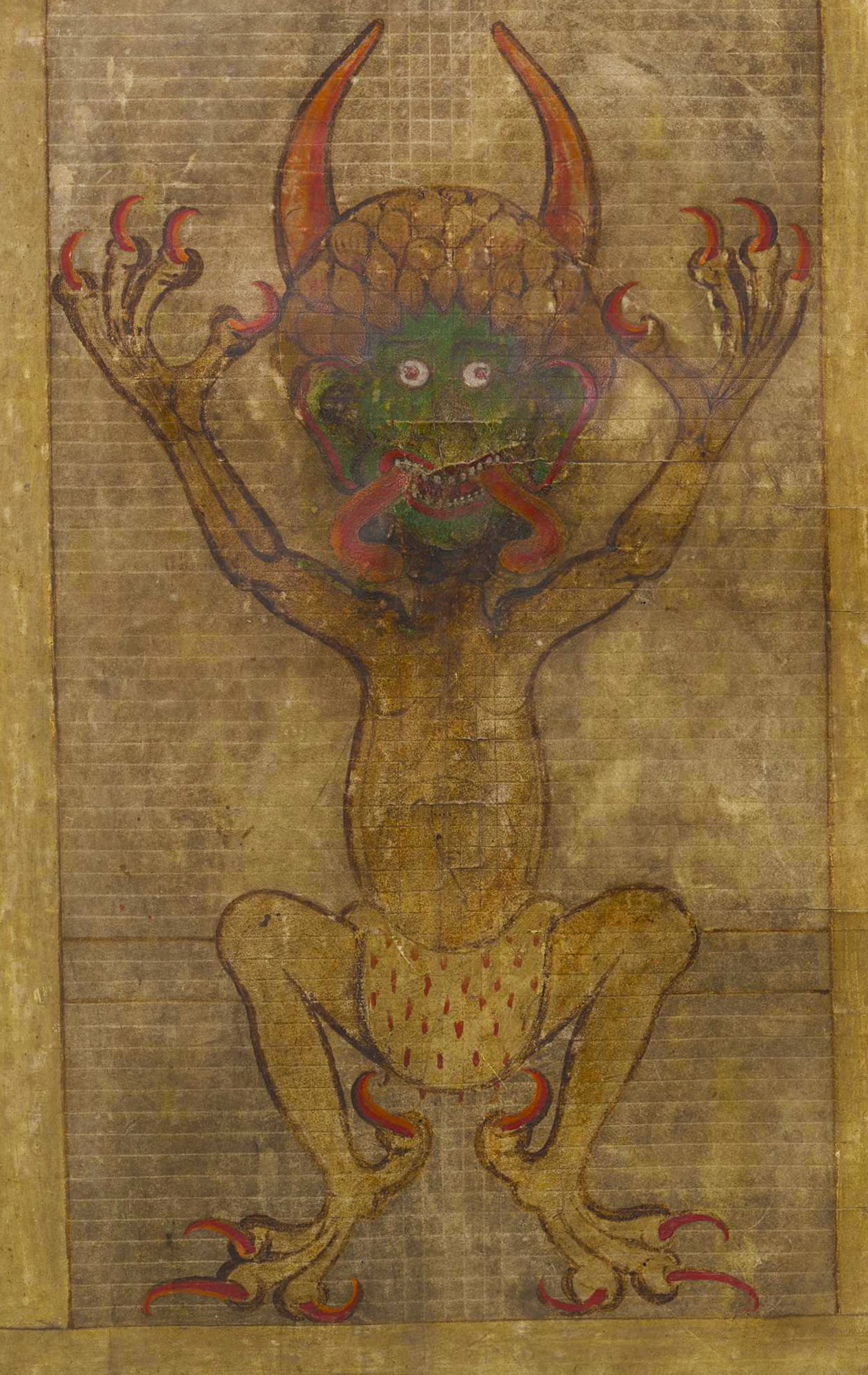
- ›Artistic depictions of Satan, particularly since the Middle Ages, often include horns, hooves, and a tail, drawing from pagan imagery.
the Devil, Iblis, ha-satan, Mastema, Satanael, Diabolos
Accuser, Adversary, Tempter, Prosecutor, Deceiver, Symbol of Evil Inclination
Fire
Great Red Dragon, Serpent
Job 1-2, Zechariah 3:1-2, Numbers 22:22, 1 Samuel 2:12, 1 Samuel 16:14-23, 1 Kings 22:19-25, Book of Jubilees, Book of Wisdom, Matthew 4:1-11, Mark 1:12-13, Luke 4:1-13, Matthew 12:29, Hebrews 2:14, Luke 22:31, John 8:44, John 13:2, John 12:31-32, Jude 9, Revelation 2:9-10, Revelation 2:13-14, Revelation 12:3, Revelation 12:7-9, Revelation 20:1-3, Revelation 20:7-10, Revelation 13:18, Quran
God, Michael the Archangel, Adam, Jesus Christ, Joshua the High Priest, Abraham, Isaac, Balaam, Eli, King Saul, David, King Ahab, Watchers, SemjâZâ, Azazel, Nero
- Dante Alighieri's Inferno
- Faust Stories
- John Milton's Paradise Lost and Paradise Regained
- Poems of William Blake
- Mystery Plays
About Satan
Satan: The Adversary in Abrahamic Traditions
Satan, also widely known as the Devil, is a central figure in Abrahamic religions, embodying the principle of opposition to divine will and the temptation of humanity towards sin and falsehood. His portrayal and significance have evolved considerably across theological and historical contexts, from an early concept of a heavenly prosecutor to a supreme antagonist.
Origins and Early Development
The term 'satan' originates from the Hebrew word 'śāṭān', meaning 'accuser' or 'adversary'. In the Hebrew Bible, particularly in the books of Job and Zechariah, 'ha-satan' (the satan) appears as a celestial being subordinate to God, tasked with testing the loyalty of humans. This figure was not initially conceived as purely malevolent but rather as an agent fulfilling a divine purpose.
Evolution in Second Temple Period and Beyond
During the Second Temple period, likely influenced by Zoroastrian dualism, the concept of Satan began to solidify into a more distinctly evil and independent adversary. Texts like the Book of Jubilees introduced figures like Mastema, who actively tempted humans. In Christianity, Satan is often identified with the serpent in the Garden of Eden and the tempter of Jesus Christ in the desert. The New Testament frequently portrays him as the 'prince of this world' and the 'evil one', responsible for illness, deception, and leading astray.
Islamic and Jewish Perspectives
In Islam, Satan is known as Iblis, a jinn created from fire who refused to obey God's command to bow before Adam, leading to his expulsion from Paradise. He is depicted as a tempter who whispers evil suggestions into human minds. While traditional Judaism largely views Satan as a metaphor for the evil inclination or as a functional accuser within God's plan, some interpretations acknowledge a more personal, albeit still subservient, adversarial role.
Symbolism and Cultural Depictions
Despite the Bible not describing Satan's appearance, Christian art, particularly from the Middle Ages onward, has often depicted him with features derived from pagan deities, such as horns, hooves, and a tail. Satan has been a recurring character in Western literature and art, notably in works like Dante Alighieri's Inferno, John Milton's Paradise Lost, and various Faust legends, solidifying his image as a powerful symbol of evil, rebellion, and temptation.
Source: Wikipedia ↗
Frequently Asked Questions
What is the origin of the name "Satan"?
The name 'Satan' originates from the Hebrew term 'śāṭān', which is a generic noun meaning 'accuser' or 'adversary'. It is derived from a verb that primarily means 'to obstruct' or 'oppose'.
How is Satan perceived in Judaism?
In Judaism, Satan is often viewed as an agent subservient to God, frequently interpreted as a metaphor for the 'evil inclination' (yetzer hara). While he can act as a prosecutor in heavenly courts, this role is generally understood within a framework of divine will.
What is Satan's role in Christianity?
In Christianity, Satan is commonly understood as a fallen angel who rebelled against God. He is depicted as the tempter of humanity, the cause of illness and temptation, and the adversary of Jesus Christ, ultimately destined for defeat.
How is Satan depicted in Islam?
In Islam, Satan is known as Iblis, a jinn made of fire who was cast out of Heaven for refusing to bow before Adam. He is seen as a leader of devils (shayāṭīn) who incites humans to sin through 'evil suggestions' (waswās).
What is the significance of the "Great Red Dragon" in relation to Satan?
The Book of Revelation describes Satan as a Great Red Dragon with seven heads and ten horns. This image represents his power and cosmic opposition to divine forces, culminating in his defeat by Michael the Archangel and his subsequent casting down to Earth.
Are there different interpretations of Satan?
Yes, while commonly seen as an evil entity, some traditions hold different views. Theistic Satanism reveres Satan as a deity, while LaVeyan Satanism uses Satan as a symbol of liberty and virtuous characteristics.
Related Angels
Cherub
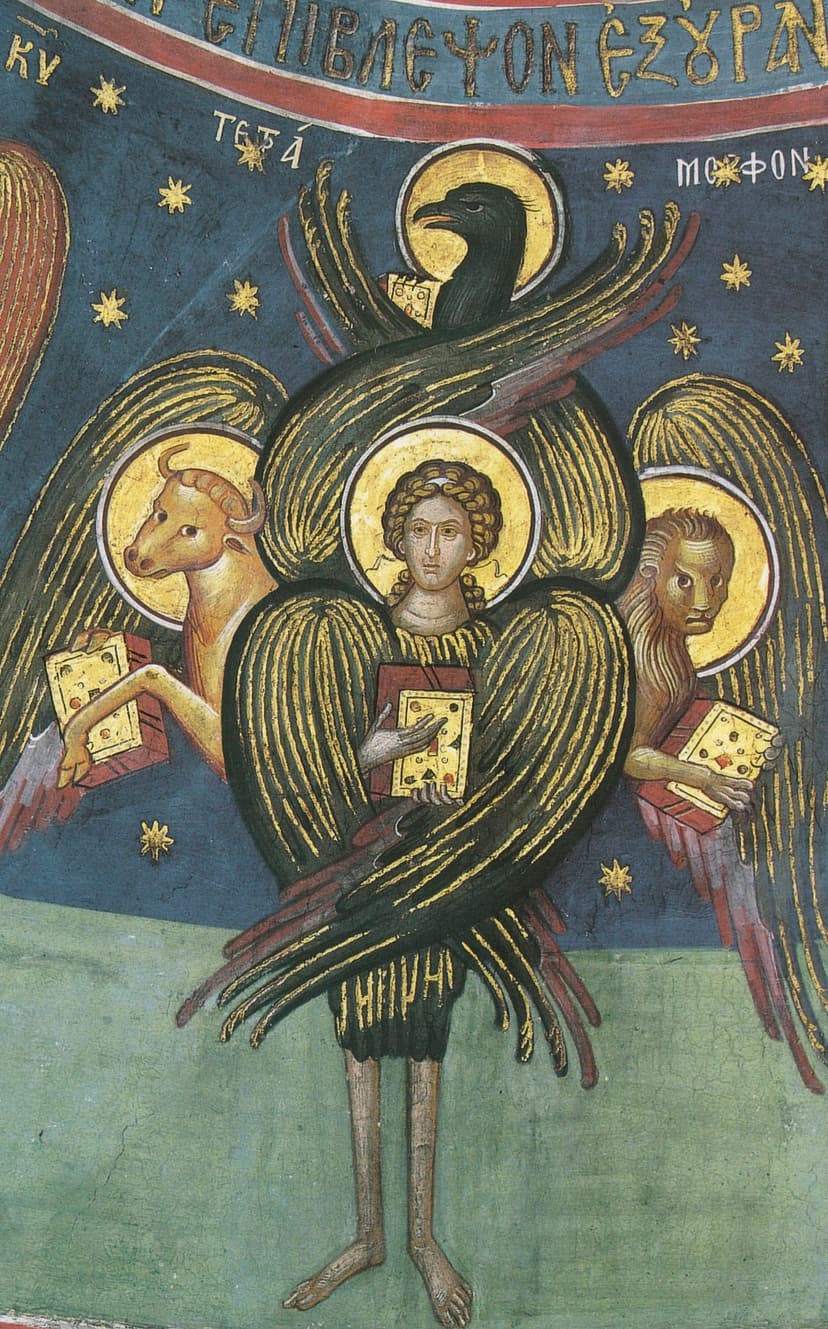
Cherubim are a class of supernatural beings prominent in Abrahamic religions, often depicted as guardians or beings of immense knowledge and power. Their roles range from protecting sacred spaces like the Garden of Eden to transporting divine thrones and interceding for humanity. Across traditions, they are frequently associated with proximity to God and the celestial hierarchy.
Ananiel
Ananiel is recognized as the 14th Watcher among the 20 leaders of the 200 fallen angels mentioned in the ancient Jewish text, the Book of Enoch. His name is often interpreted as "cloud of God" or "Rain of God," and he was entrusted by God with dominion over atmospheric phenomena and the trees of the earth. In some traditions, Ananiel is also revered as one of the seven holy archangels.
Arakiel
Arakiel is identified as a fallen angel and a leader among the Watchers in the Book of Enoch. His name is often translated as 'earth of God,' and he is noted for teaching humans 'signs of the earth,' which may refer to practices like geomancy. Despite his association with a rebellion, some traditions also list him as a holy angel guiding souls to judgment.