
Cherub
Abrahamic Religions·Second highest rank (Christian angelology, following Pseudo-Dionysius); Ninth rank (Jewish angelic hierarchy, Maimonides)
Cherubim are a class of supernatural beings prominent in Abrahamic religions, often depicted as guardians or beings of immense knowledge and power. Their roles range from protecting sacred spaces like the Garden of Eden to transporting divine thrones and interceding for humanity. Across traditions, they are frequently associated with proximity to God and the celestial hierarchy.
Key Facts
- ›Cherubim are a type of supernatural being found in Abrahamic religions.
- ›They are often depicted as guardians, notably protecting the entrance to the Garden of Eden.
- ›In Jewish angelic hierarchy, they hold a lower rank, while in some Christian traditions, they are among the highest.
- ›Islamic traditions identify cherubim (al-karubiyyin) as the highest angels near God.
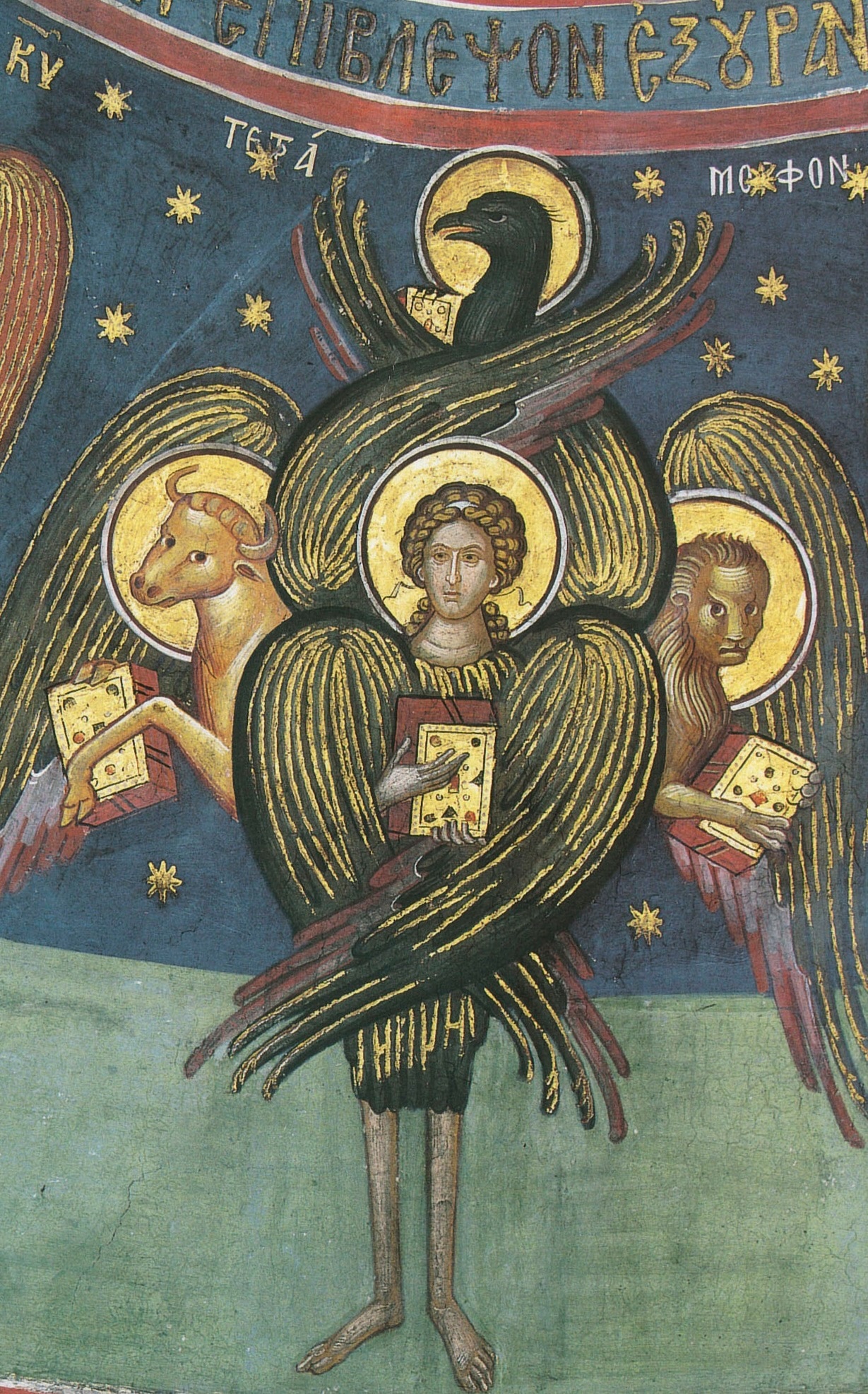
- ›Ezekiel's vision describes them as complex beings with multiple faces and wings, though their exact appearance is debated.
- ›They are associated with divine knowledge and are sometimes depicted as intermediaries between God and humanity.
Guardian, Protector, Transporter of Divine Throne, Intercessor
Wings, Multiple Faces, Guardianship of Sacred Spaces
Genesis 3:24, Exodus 25:18–22, 2 Samuel 22:11, Psalm 18:10, Isaiah 37:16, 2 Kings 19, Ezekiel Chapters 1 and 10, Ezekiel 41:18–20, Quran, 2 Chronicles 5:7–8
Knowledge, Purity
God, Garden of Eden, Tree of Life, Ark of the Covenant, Seraphim, Thrones, Pseudo-Dionysius, Thomas Aquinas, Ezekiel, Michael, Jibra'Il, Mika'Il, Azra'Il, Israfil
- Putto In Western Art
- Small, Plump, Winged Boys
- Apse Mosaic In the Church of Hosios David, Thessalonica
About Cherub
Cherubim are a significant class of supernatural beings deeply embedded in the theology and mythology of Abrahamic religions, including Judaism, Christianity, and Islam. Their nature and roles are multifaceted, often described as guardians, divine messengers, and beings of immense knowledge and proximity to God.
Roles and Depictions
The most widely recognized role of cherubim is as protectors. In the Book of Genesis, they are famously stationed at the east of the Garden of Eden, wielding a flaming sword to guard the way to the Tree of Life. Beyond this, their functions extend to being bearers of God's throne, as vividly described in the visions of Ezekiel. In Islamic tradition, the "al-karubiyyin" are among the highest angels, dwelling in God's immediate presence and engaging in constant praise and intercession for humanity.
Hierarchy and Appearance
Within angelic hierarchies, cherubim occupy varying positions. In Jewish angelology, they are often placed at a lower rank, while in Christian angelology, particularly following the work of Pseudo-Dionysius the Areopagite, they are considered the second highest order, just below the Seraphim. The physical appearance of cherubim is a subject of much debate and varied interpretation. Ezekiel's prophetic visions depict them as complex creatures with four faces—representing humanity, lions, oxen, and eagles—and four wings. However, later Western Christian art, influenced by classical antiquity, often portrays them as small, plump, winged boys, a form derived from the Greco-Roman concept of Cupid or Eros.
Scriptural and Theological Significance
Cherubim feature prominently in the Hebrew Bible, appearing 91 times and serving as key elements in sacred art and architecture, such as the gold cherubim images adorning the Ark of the Covenant and the Tabernacle. Theological interpretations vary; some view them as literal beings, while others, like Maimonides, interpret 'angels' and 'cherubim' metaphorically, representing natural forces and the active intellect. Islamic texts also describe them as beings of immense radiance, created from powerful divine energies, and distinct from the lower-ranking messenger angels.
Etymology and Cultural Influence
The name 'cherub' is believed to derive from ancient Near Eastern terms related to protection, might, or prayer. Their depiction has evolved significantly, from the awe-inspiring, hybrid beings in ancient Near Eastern art and biblical visions to the more familiar, cherubic figures in Renaissance and Baroque art, influencing popular culture's understanding of angelic beings.
Source: Wikipedia ↗
Frequently Asked Questions
What is the origin of the word 'cherub'?
The word 'cherub' originates from the Hebrew word 'kərūḇ' (plural 'kərūḇīm'). It is connected to Assyrian terms like 'kirubu' (referring to protective spirits) and 'karabu' (meaning 'great' or 'mighty'). Other interpretations link it to words meaning 'one who prays' or 'blesser'.
What is the appearance of a cherub?
The appearance of cherubim is a subject of debate. Ezekiel's vision describes them as having four faces (man, lion, ox, eagle) and four wings, with legs like a bull. However, later Western Christian tradition often depicts them as small, plump, winged boys, influenced by classical putti.
What is the role of cherubim in the Hebrew Bible?
In the Hebrew Bible, cherubim are frequently mentioned. They are tasked with guarding the Tree of Life at the entrance to the Garden of Eden. In Ezekiel's visions, they are seen transporting God's throne, and they are also depicted as images on the Ark of the Covenant and in religious structures.
How are cherubim viewed in Islam?
In Islam, 'al-karubiyyin' refers to cherubim, who are considered among the highest angels near God, often identified with the 'Muqarrabin' (the Close Ones). They are entrusted with praising God and interceding for humans, and are distinct from messenger angels.
What is the angelic order of cherubim?
Within Jewish angelic hierarchies, cherubim are often placed at a lower rank (ninth in Maimonides' system). In contrast, Christian angelology, particularly following Pseudo-Dionysius, places them as the second highest rank, below Seraphim and above Thrones.
Are there any specific cherubim named in religious texts?
While cherubim are often referred to collectively, the Kabbalistic work Zohar mentions a cherub named Kerubiel as a leader among them. In Islamic tradition, later narratives mention an 'angel-cherub' named Futrus who fell and was later restored.
Related Angels
Satan
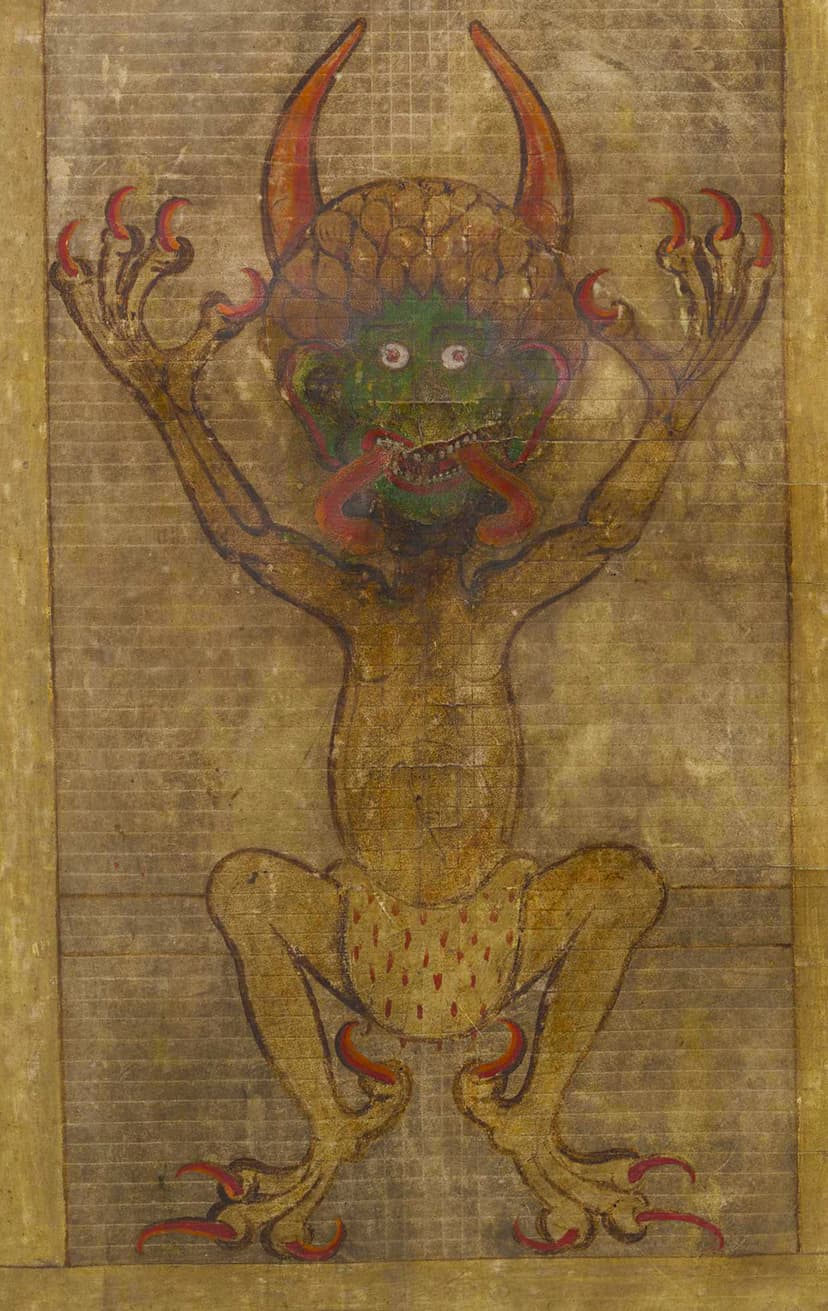
Satan, also known as the Devil, is a prominent figure in Abrahamic religions, primarily characterized as an entity that tempts humans toward sin and falsehood. While viewed as a subordinate prosecutor in Judaism, in Christianity and Islam, Satan is typically depicted as a fallen angel or jinn who rebelled against God, though still permitted limited influence. His role and nature have evolved significantly across religious texts and traditions, from a heavenly accuser to a cosmic adversary.
Ananiel
Ananiel is recognized as the 14th Watcher among the 20 leaders of the 200 fallen angels mentioned in the ancient Jewish text, the Book of Enoch. His name is often interpreted as "cloud of God" or "Rain of God," and he was entrusted by God with dominion over atmospheric phenomena and the trees of the earth. In some traditions, Ananiel is also revered as one of the seven holy archangels.
Samael
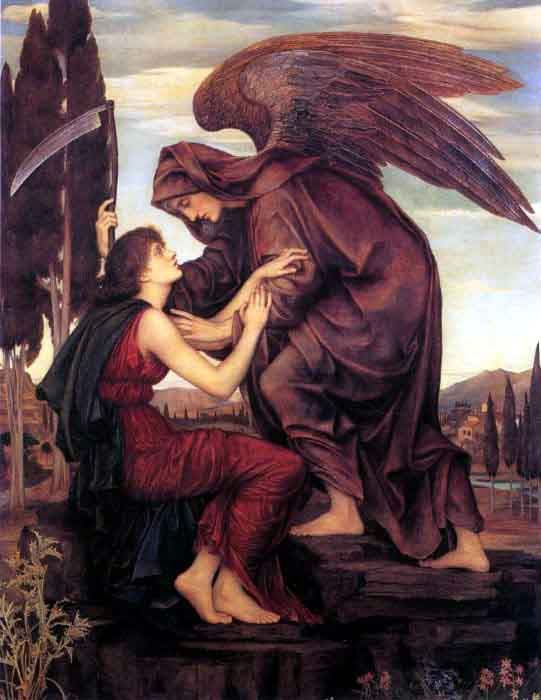
Samael is an archangel in Jewish tradition, often identified as the accuser, seducer, and angel of death. While his functions can resemble the Christian Satan, he is not necessarily portrayed as purely evil, as his destructive roles can also lead to good outcomes. He plays a significant role in narratives concerning the Garden of Eden and is depicted as a powerful figure in both Jewish and Gnostic cosmologies.