
Mashḥit
Mashḥit, also known as the destroying angel or destroyer, is an entity in Hebrew scriptures sent by God to enact judgment on peoples. These angels are described as executioners or messengers of death, tasked with punishing the wicked, and are sometimes equated with demons in Jewish tradition. Their actions range from nearly destroying Jerusalem to eliminating enemy forces, and they play a role in the judgment of souls after death.
Key Facts
- ›Mashḥit is a Hebrew term for a destroying angel sent by God.
- ›They are also referred to as 'executioners' or 'messengers of death'.
- ›These angels are tasked with punishing wicked humans and fallen angels.
- ›In Jewish tradition, they can execute divine sentences after a person's death.
- ›They are sometimes equated with demons or Shedim in Jewish texts.
- ›In some traditions, they are led by Satan and are involved in tempting, accusing, and punishing.
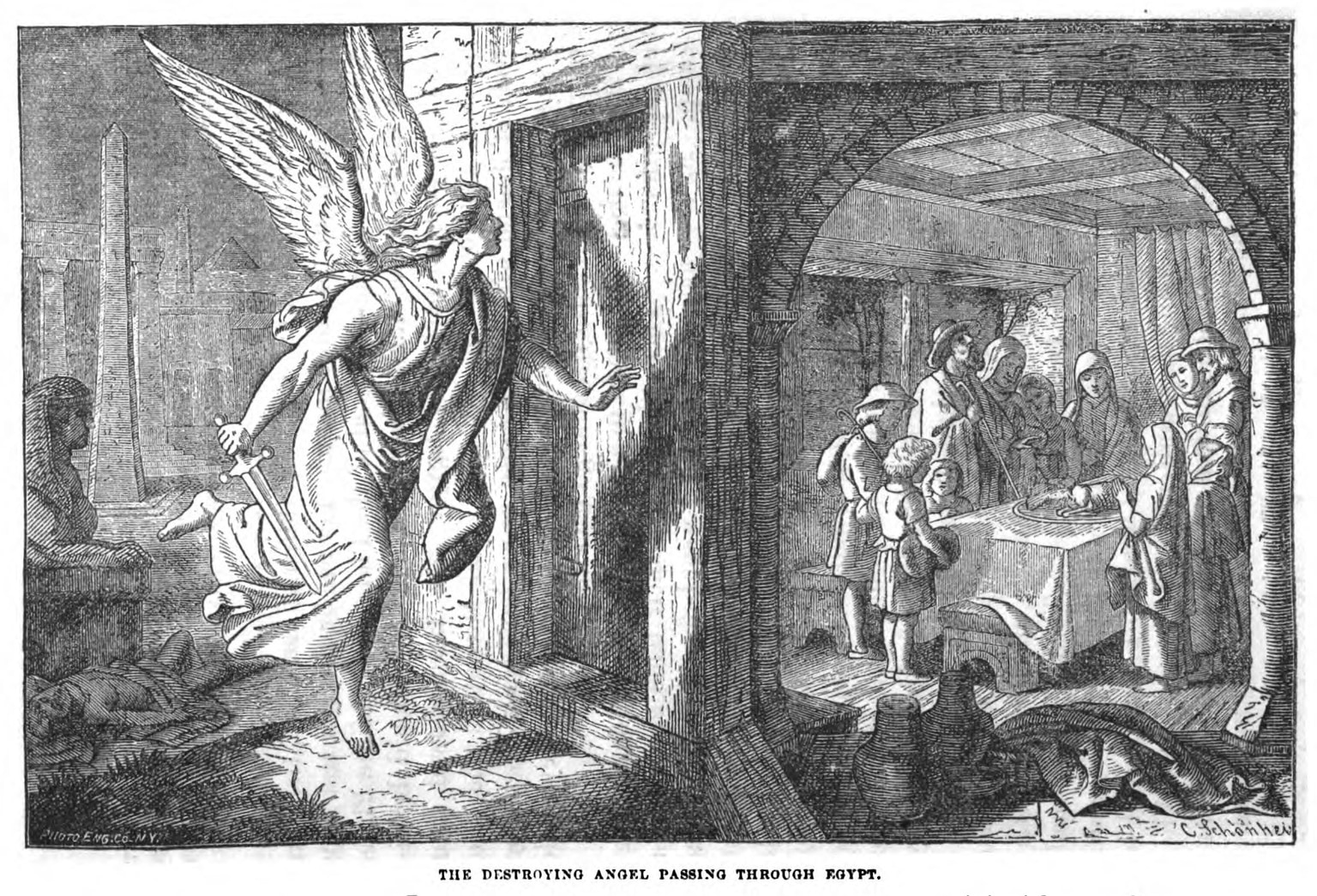
Destroying angel, Mal'āḵ hamašḥīṯ, Memitim, Angel of the Lord (in some contexts), Malachei Habala
Destroyer, Executioner, Punisher, Messenger of Death
Drawn Sword
2 Samuel 24:15-16, 1 Chronicles 21:15, 2 Kings 19:35, Job 33:22, Proverbs 16:14, Book of Enoch
God, Satan, IblīS, Shedim
About Mashḥit
Mashḥit: The Destroyer Angel
Mashḥit, a term derived from Hebrew meaning 'destroyer' or 'spoiler,' refers to a class of angels in Jewish tradition and the Hebrew Bible who are dispatched by God to carry out judgments and punishments. These entities are also known by designations such as the 'destroying angel,' 'executioners' (memitim), or 'messengers of death.' Their primary function is to enact divine wrath upon peoples, wicked humans, and even fallen angels.
Scriptural Accounts and Roles
Several passages in the Hebrew Bible depict the actions of these destructive angels. In one notable instance, the destroying angel was sent to punish the people of Israel for David's census, nearly destroying Jerusalem before being recalled by God (2 Samuel 24:15-16). Another account in 2 Kings 19:35 describes such an angel striking down 185,000 Assyrian soldiers in a single night. In the Book of Enoch, angels of punishment and destruction are associated with a group of 'satans' led by Satan, tasked with tempting, accusing, and ultimately punishing the wicked.
Theological Significance in Judaism and Islam
Within Jewish theology, the concept of these angels is complex. They are sometimes understood as being created by an individual's sins, serving as agents of divine retribution. After a person's death, these angels can execute the sentence pronounced by the heavenly court. In some rabbinic literature, they are referred to as Malachei Habala, or 'Sabotage Angels,' and are equated with demons (Shedim), punishing sinners in the underworld. In Islamic tradition, angels of punishment, under the leadership of Iblīs (Satan), are depicted as disputing with angels of mercy over the soul of a deceased sinner.
While not typically considered archangels, Mashḥit and similar entities represent the formidable aspect of divine justice, serving as a stark reminder of the consequences of sin and rebellion.
Source: Wikipedia ↗
Frequently Asked Questions
What is the meaning of Mashḥit?
Mashḥit is a Hebrew word that translates to 'destroyer' or 'spoilers'. It refers to a type of angel sent by God to carry out destructive judgments.
What are the primary roles of the destroying angel?
The primary roles of the destroying angel include enacting divine punishment, executing judgments against peoples, and tormenting the wicked. They are seen as agents of divine wrath.
Are there specific instances of Mashḥit's actions mentioned in the Hebrew Bible?
Yes, the destroying angel is mentioned as nearly destroying Jerusalem in 2 Samuel 24:15-16 and as killing 185,000 Assyrian soldiers in 2 Kings 19:35. In 1 Chronicles 21:15, an 'Angel of the Lord' with a drawn sword is seen protecting against enemies.
How are these angels viewed in Jewish tradition regarding sin?
In Judaism, angels of destruction can be seen as created by one's sins. They await the pronouncement of a heavenly court after death to execute the sentence.
Are the destroying angels equated with demons?
Yes, in some Jewish texts, such as the Talmud, they are referred to as Malachei Habala ('Sabotage Angels') and are equated with Shedim, which are translated as demons.
What is the role of destroying angels in Islam?
In Islam, angels of punishment, led by Iblīs (Satan), may contest with angels of mercy over the soul of a repentant murderer who dies en route to a better environment.
Related Angels
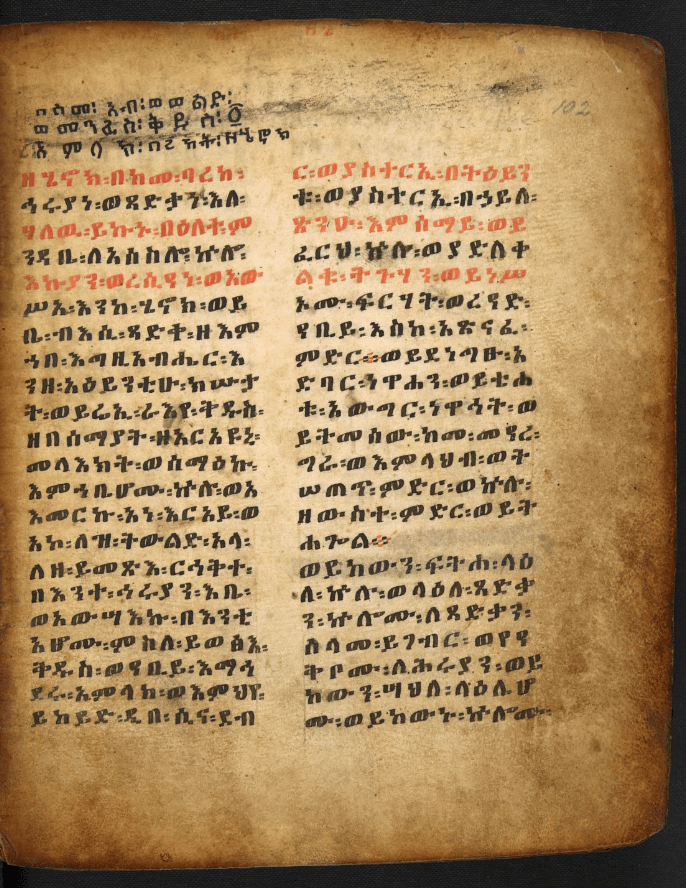
Gadreel
The Book of Enoch details the fall of the Watchers, angels who fathered the Nephilim, and describes Enoch's heavenly journeys and revelations. It provides unique insights into the origins of demons, the moral necessity of the Genesis flood, and the future reign of the Messiah. While not canonical in most Jewish and Christian traditions, it holds significance for the Beta Israel and Ethiopian Orthodox Tewahedo Church.
Hadraniel
Hadraniel is an angel in Jewish angelology, known as the gatekeeper of the second gate in heaven. He is described as a colossal and awe-inspiring figure, whose voice is said to penetrate numerous firmaments and whose pronouncements are accompanied by flashes of lightning. Hadraniel plays a role in the narrative of Moses receiving the Torah, initially presenting an obstacle before acting as a guide.
Jerahmeel
Jerahmeel is a name appearing in the Hebrew Bible (Tanakh), meaning "He will obtain mercy of God" or "God pities." The name is associated with at least three distinct individuals: a descendant of Judah, a Levite appointed by King David, and a royal official under King Jehoiakim. Additionally, the name Jerahmeel is linked to a people inhabiting the Negev region, and in some apocryphal texts, it refers to an archangel.