
Bene Elohim
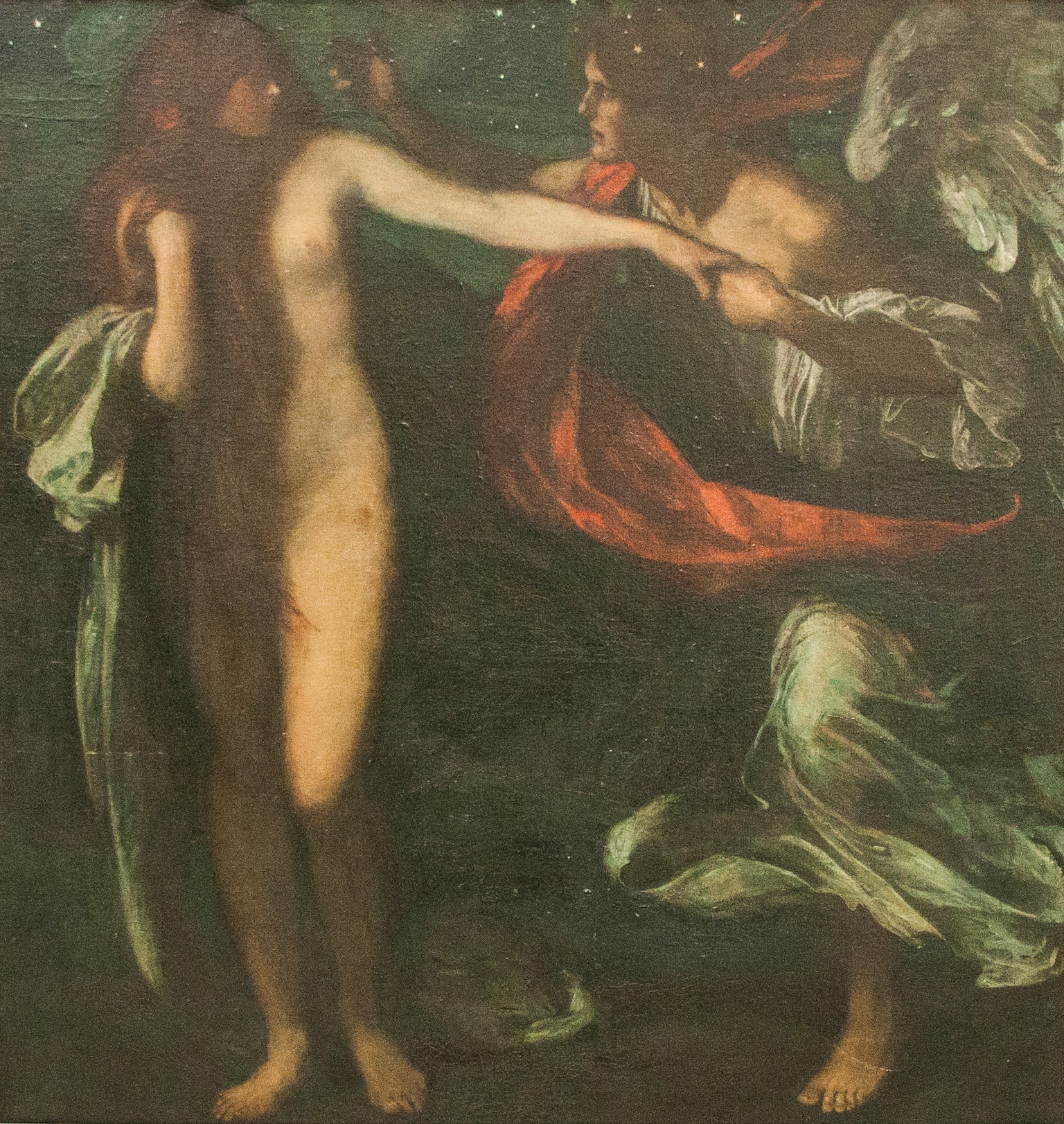
Bene Elohim, literally translating to "sons of Elohim" or "sons of God," is a Hebrew phrase found in the Tanakh and later Jewish traditions. Originally referring to a pantheon of divine beings or a heavenly court, their interpretation evolved over time. In later periods, they were understood as angels or, conversely, as the righteous descendants of Seth, playing various roles in early theological discussions.
Key Facts
- ›The phrase "Bene Elohim" is a Hebrew term appearing in the Tanakh, literally meaning "sons of Elohim" or "sons of God."
- ›Early Hebrew Bible texts depict them as part of a heavenly court or pantheon.
- ›The interpretation of Bene Elohim as angels gained prominence from the third century BCE onwards in Enochic literature and the Dead Sea Scrolls.
- ›Alternative interpretations include them being the righteous offspring of Seth, or deified kings and judges in Canaanite religions.
- ›In the Book of Job, Satan is identified as one of the Bene Elohim within the heavenly court.
- ›Some interpretations link them to the Nephilim, the offspring of unions with human women.
Sons of God, Sons of the Gods, Sons of El, Bənē hāʾĔlōhīm, Bənē ʾĕlōhīm, Bənē ʾel, bn 'il, bn il, bn ilm, bn pr bn ilm
Heavenly Court Members, Divine Council Members
Genesis 6:1-4, Job 1:6, Job 2:1, Job 38:7, Deuteronomy 32:8, Psalms 29:1, Psalms 82:6, Psalms 89:6, Daniel 3:25
Elohim, Satan, Nephilim, Watchers, Anunnaki
Enochic Literature, Dead Sea Scrolls, Book of Jubilees, Epistle of Barnabas, Josephus, Augustine of Hippo's City of God
About Bene Elohim
The "Bene Elohim," a Hebrew phrase that translates literally to "sons of Elohim" or "sons of God," refers to a group of supernatural beings mentioned in the Tanakh (Old Testament) and subsequent Jewish traditions. The precise nature and identity of the Bene Elohim have been subjects of extensive interpretation and debate throughout history.
Early Hebrew Bible Context
In the earliest writings of the Hebrew Bible, the Bene Elohim appear within the context of a heavenly court or divine council. They are depicted alongside God, potentially as a survival of earlier Hebrew polytheism where "Elohim" could refer to the divine in a plural sense. In this capacity, they represented the transcendent aspect of the divine. Unlike the "mal'akh" (messenger), the Bene Elohim did not primarily function as intermediaries between God and humanity. The fusion of these concepts is seen in texts like the Book of Job, where Satan is identified as one of the Bene Elohim present in the heavenly assembly.
Interpretations and Evolution
The most prominent mention of the Bene Elohim occurs in Genesis 6:1–4, where they are described as taking human women as wives, resulting in the birth of giants known as the Nephilim. This narrative has led to several distinct interpretations:
- Angels: From the third century BCE onwards, particularly in apocryphal and pseudepigraphical texts like the Book of Enoch and in the Dead Sea Scrolls, the Bene Elohim were widely understood to be angels. This interpretation is supported by variations in ancient translations of biblical texts.
- Offspring of Seth: Beginning in the 2nd–4th century CE, an alternative interpretation emerged, particularly in Christian and rabbinic literature, identifying the Bene Elohim as the righteous descendants of Seth, who intermingled with the daughters of Cain.
- Deified Rulers or Lesser Divinities: Scholarly analysis suggests that the phrase may have originally referred to deified kings of Canaanite city-states or lesser divine beings within Canaanite pantheons, a concept echoed in Ugaritic texts.
Later Theological Developments
During the Second Temple period, texts like the Book of Enoch further developed the concept of the Bene Elohim, often paralleling them with "Watchers." In medieval Jewish philosophy, the interpretation often shifted towards a more rational understanding, with the Bene Elohim being considered human figures of high status or royalty, rather than celestial beings. While the exact nature of the Bene Elohim remains a topic of theological and scholarly discussion, their presence in scripture highlights early Israelite conceptions of a divine hierarchy and the complex development of monotheistic thought.
Source: Wikipedia ↗
Frequently Asked Questions
What does the phrase "Bene Elohim" mean?
Bene Elohim is a Hebrew phrase that literally translates to "sons of Elohim" or "sons of God." It is found in the Tanakh (Old Testament) and has been interpreted in various ways throughout religious history.
How were the Bene Elohim understood in the early Hebrew Bible?
In the earliest records of the Hebrew Bible, the Bene Elohim were depicted as members of a heavenly court or pantheon, reflecting a pluralistic view of the divine that was later refined towards monotheism.
What is the connection between Bene Elohim and angels?
From the third century BCE onwards, particularly in Enochic literature and the Dead Sea Scrolls, the Bene Elohim began to be interpreted as angels. This understanding is also found in some translations of biblical texts, such as the Septuagint.
Are there other interpretations of the Bene Elohim?
Yes, besides being understood as angels, some traditions interpret the Bene Elohim as the righteous offspring of Seth, distinguishing them from the descendants of Cain. Scholarly consensus also suggests they may have originally referred to deified kings or lesser divinities in Canaanite religions.
What role did the Bene Elohim play in the Book of Genesis?
In Genesis 6:1-4, the "sons of God" are described as lusting after and taking human women as wives, resulting in the birth of giants known as the Nephilim. This event is cited as a reason for God's decision to send a great flood.
How is the Bene Elohim concept viewed in medieval Judaism?
In medieval Judaism, many rationalist thinkers rejected the idea of fallen angels. They typically interpreted the "sons of God" as human beings of exalted social standing, such as pagan royalty or nobility, who engaged in polygamy, emphasizing their human origin.
Related Angels
Abaddon
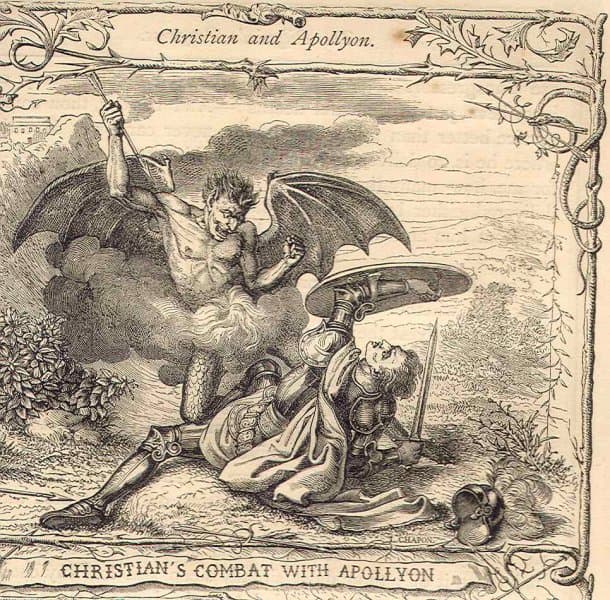
Abaddon, a term originating from Hebrew meaning "destruction" and its Greek equivalent Apollyon meaning "Destroyer," initially referred to a place of destruction or the realm of the dead in the Hebrew Bible. In the New Testament's Book of Revelation, Abaddon is depicted as an angel of the abyss and the king of a locust army, though his identity and role have been subject to various interpretations across different Christian traditions.
Adriel
Adriel was a nobleman from the ancient kingdom of Israel, mentioned in the Bible. His name, derived from Hebrew, signifies "flock of God." He is primarily known through biblical accounts detailing his marital relationships with two of King Saul's daughters, Merab and potentially Michal.
Agiel
Agiel is identified as the Intelligence or beneficial spirit associated with the planet Saturn. He is mentioned in esoteric texts like the Key of Solomon, where he is described as a spirit that can be invoked. Agiel's role is often linked to the beneficial influences and operations connected to Saturn.