
Yathothkari Perumal Temple
The Yathothkari Perumal Temple, also known as Tiruvekkaa Temple, is a historic Hindu temple in Kanchipuram, Tamil Nadu, dedicated to Lord Vishnu. It is celebrated in the Naalayira Divya Prabandham and is recognized as one of the 108 Divya Desams, signifying its importance in Vaishnavism. The temple is notable for its ancient origins, believed to date back to the 8th century CE, with later contributions from various dynasties.
Key Facts
- ›Dedicated to Lord Vishnu, worshipped as Yathothkari Perumal.
- ›Recognized as one of the 108 Divya Desams, sacred abodes of Vishnu.
- ›Mentioned in the Sangam text Perumpāṇāṟṟuppaṭai (300 BCE - 100 CE).
- ›Believed to have been built by the Pallavas in the late 8th century CE.
- ›Features a rare image of Ranganatha reclining on his left hand.
- ›Considered the birthplace of the Alvar Saint Poigai Alvar.

Vishnu, Lakshmi
- One of the 108 Divya Desams Dedicated To Vishnu.
- Revered In the Naalayira Divya Prabandham, An Early Tamil Canon.
- Considered One of the Three Oldest Vishnu Temples In Kanchipuram.
- Mentioned In Ancient Tamil Literature Like PerumpāṇāṟṟUppaṭAi.
- Birthplace of the Alvar Saint Poigai Alvar.
Pallavas, Cholas, Vijayanagara
Panguni Brahmotsavam, Poigai Alvar Birthday, Thai Magam Festival
Granite, Stucco
Pallavas, Parantaka I, Kulothunga Chola I, Rajadhiraja Chola
Ranganatha Recumbent On His Left Hand, Saraswati Praying At Vishnu's Feet
Vegavathi River, Temple Lotus Tank
About Yathothkari Perumal Temple
The Yathothkari Perumal Temple, also known locally as Tiruvekkaa Temple or Sonnavannam Seitha Perumall, is a significant Hindu temple located in Kanchipuram, Tamil Nadu, South India, dedicated to Lord Vishnu.
Religious Significance
This temple is revered as one of the 108 Divya Desams, sacred abodes dedicated to Vishnu, and is prominently featured in the Naalayira Divya Prabandham, a collection of early medieval Tamil verses by the Alvar saints. It is considered one of the three oldest Vishnu temples in Kanchipuram, alongside Ulagalantha Perumal Temple and Pandava Thoothar Perumal Temple. The temple is also recognized as the birthplace of Poigai Alvar, one of the first three Alvar saints.
Historical Context and Architecture
The temple's origins are believed to date back to the late 8th century CE, with its construction attributed to the Pallava dynasty. Later contributions were made by the Medieval Cholas and Vijayanagara kings. The architecture is predominantly in the Dravidian style, characterized by a three-tiered rajagopuram (gateway tower) and ornamental sculpted pillars from the Vijayanagara period. The temple is surrounded by a granite wall enclosing its shrines. A notable architectural feature is the rare image of the presiding deity, Yathothkari Perumal, depicted in a reclining posture on his left side, a unique representation compared to other Vishnu temples.
Legends and Worship
According to legend, Vishnu assumed the name Yathothkari Perumal (meaning 'one who acts as requested') after obliging the wishes of his devotees, Thirumalisai Alvar and Kanikkannan, by returning to Kanchipuram. The temple experiences six daily rituals and celebrates several annual festivals, with the Panguni Brahmotsavam (April-May) and Poigai Alvar's birthday being the most prominent. The temple follows the Tenkalai traditions of Srivaishnava Srivishtaadvaita sampradaya.
Source: Wikipedia ↗
Frequently Asked Questions
What is the significance of the Yathothkari Perumal Temple?
The temple is highly significant as one of the 108 Divya Desams dedicated to Vishnu and is revered in the early medieval Tamil canon of the Alvar saints. It is also considered one of the oldest Vishnu temples in Kanchipuram and is believed to be the birthplace of the Alvar saint Poigai Alvar.
Who is the presiding deity of the Yathothkari Perumal Temple?
The presiding deity is Lord Vishnu, worshipped here as Yathothkari Perumal. His consort, Lakshmi, is worshipped as Komalavalli.
What is special about the image of Ranganatha in this temple?
The temple houses a rare image of Ranganatha reclining on his left hand, which is unusual as in most other temples, he is depicted reclining on his right. This posture is believed to have been adopted by the deity upon hearing the singing of Thirumalisai Alvar.
What is the architectural style of the Yathothkari Perumal Temple?
The temple is constructed in the Dravidian style of architecture, a characteristic style of South Indian temples, featuring elements like a rajagopuram and sculpted pillars.
When was the Yathothkari Perumal Temple believed to be constructed?
The temple is believed to have been originally built by the Pallavas in the late 8th century CE, with later contributions from Medieval Cholas and Vijayanagara kings. Inscriptions on its walls date from the periods of Parantaka I, Rajadhiraja Chola, and Kulothunga Chola I.
What are the major festivals celebrated at the Yathothkari Perumal Temple?
The temple celebrates six daily rituals and three yearly festivals. The major festivals are the Panguni Brahmotsavam, celebrated in April-May, and the birthday of Poigai Alvar, observed during the Aipassi Thiruvonam star.
Related Temples (Hindu)

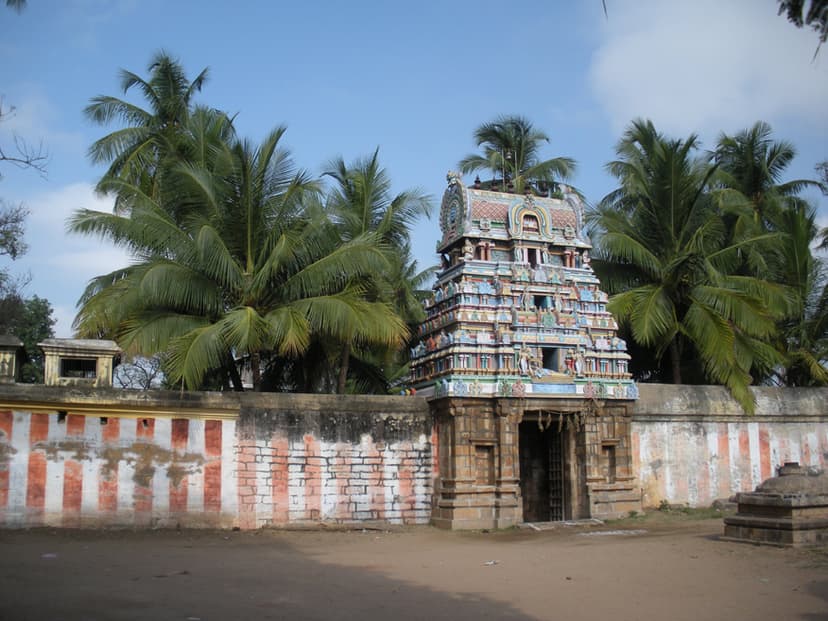
Jakath Rakshaka Perumal temple, Thirukkoodaloor
The Jakath Rakshaka Perumal temple, also known as Thirukoodaloor, is a Hindu temple located in Vadakurangaduturai, Tamil Nadu, dedicated to Lord Vishnu. It is renowned for its Dravidian architecture and its significance as one of the 108 Divya Desams, sacred abodes of Vishnu glorified in the early medieval Tamil canon.
Sundararaja Perumal temple
The Sundararaja Perumal Temple, also known as Thiru Anbil or Vadivazhagiya Nambi Perumal Temple, is a Hindu temple dedicated to Lord Vishnu located in Anbil, Tamil Nadu. Constructed in the Dravidian architectural style, it is celebrated in ancient Tamil religious literature and is recognized as one of the 108 Divya Desams, significant pilgrimage sites for Vishnu devotees.
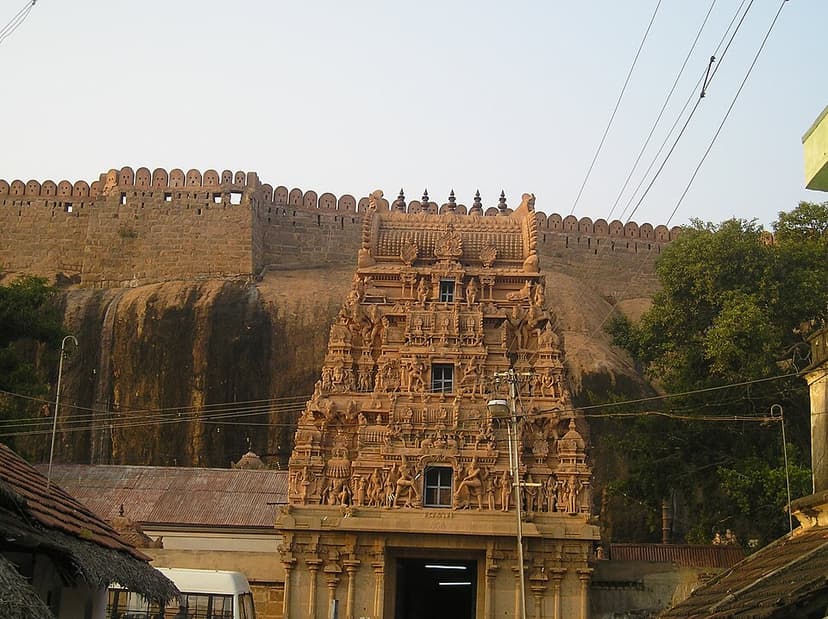
Sathyamurthi Perumal Temple
The Sathyamurthi Perumal Temple in Thirumayam, Tamil Nadu, is an ancient Hindu temple dedicated to Lord Vishnu. Renowned for its Dravidian architecture and significant presence in early Tamil devotional literature, it is recognized as one of the 108 Divya Desams. The temple complex features a majestic rajagopuram, a temple tank within its premises, and is under the administration of the Archaeological Survey of India.