
Sundararaja Perumal temple
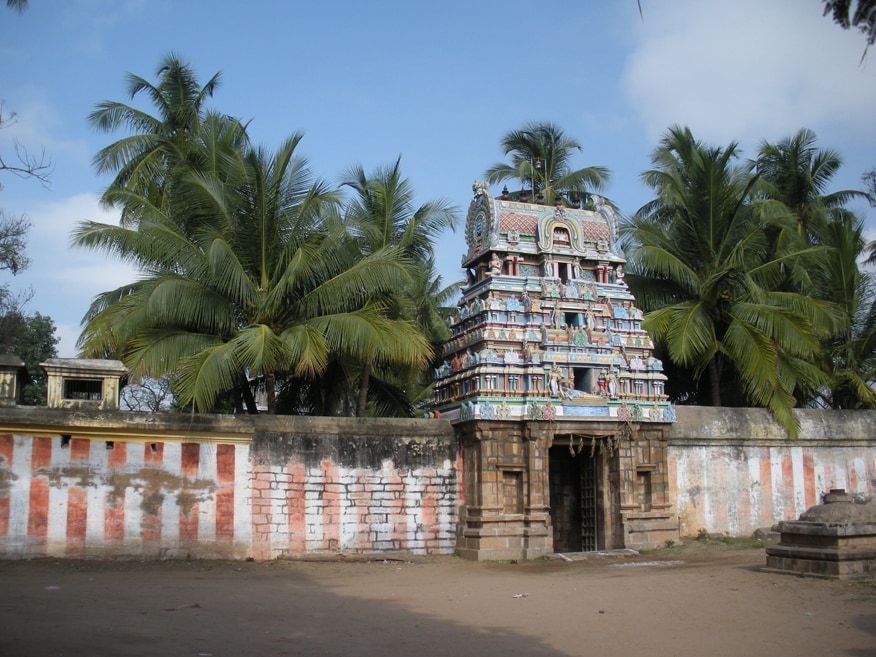
The Sundararaja Perumal Temple, also known as Thiru Anbil or Vadivazhagiya Nambi Perumal Temple, is a Hindu temple dedicated to Lord Vishnu located in Anbil, Tamil Nadu. Constructed in the Dravidian architectural style, it is celebrated in ancient Tamil religious literature and is recognized as one of the 108 Divya Desams, significant pilgrimage sites for Vishnu devotees.
Key Facts
- ›Dedicated to Hindu god Vishnu, worshipped as Sundararajan.
- ›Located on the banks of the river Kollidam in Anbil, Tamil Nadu.
- ›Constructed in the Dravidian style of architecture.
- ›Revered in the Naalayira Divya Prabandham, a Tamil canon of Alvar saints.
- ›Believed to have been built by Medieval Cholas with later contributions from Vijayanagara kings and Madurai Nayaks.
- ›One of the 108 Divya Desams dedicated to Vishnu.
Vishnu, Lakshmi
- Revered In Naalayira Divya Prabandham
- One of the 108 Divya Desams
- Pilgrimage Site For Vishnu Devotees
- Associated With Legends of Vishnu Appearing To Brahma and Sage Sutapa
Medieval Cholas, Vijayanagara Empire, Madurai Nayaks
Tirthavari Festival, Vaikuntha Ekadashi
Granite
Medieval Cholas, Vijayanagara Kings, Madurai Nayaks, King Sundara Chola, Anirudha Brahmarayar
- Image of Sundararaja Perumal In Reclining Posture Over Adisesha
- Images of Consorts Sridevi and Bhudevi
- Image of Brahma
- Festive Image of Sundararajan - Vadivalagiya Nambi
- Shrines of Twelve Alvars, Narasimha, Venugoplar, Lakshmi Narasimha, Hanuman
- Shrine For Andal
Kollidam
About Sundararaja Perumal temple
The Sundararaja Perumal Temple, also known as Thiru Anbil or Vadivazhagiya Nambi Perumal Temple, is a significant Hindu temple situated in the village of Anbil, on the outskirts of Tiruchirappalli in Tamil Nadu, South India. This temple is dedicated to Lord Vishnu, who is primarily worshipped here as Sundararajan, with his consort Lakshmi revered as Sundaravalli. The temple is a celebrated example of Dravidian architecture and holds a prominent place in early medieval Tamil religious literature, particularly in the Naalayira Divya Prabandham, a canon compiled by the Alvar saints.
History and Construction
Historical accounts suggest that the temple's construction began with contributions from the Medieval Cholas, dating back to the late 8th century CE. Further patronage and expansion of the temple were undertaken by rulers from the Vijayanagara Empire and the Madurai Nayaks. Copper plate inscriptions found in Anbil indicate substantial donations made by the Chola kings, underscoring their support for the temple. The temple complex is enclosed by a granite wall, safeguarding its various shrines and water bodies.
Religious Significance and Legends
The Sundararaja Perumal Temple is recognized as one of the 108 Divya Desams, a collection of sacred abodes dedicated to Lord Vishnu that are highly revered by Vaishnavites. It is particularly mentioned in verses that group together seven shrines where Vishnu is depicted in a reclining position. The temple is also a place where devotees often visit to pray for marriage. Legends associated with the temple include the story of sage Sutapa being cursed to become a frog and subsequently being liberated by Vishnu's appearance as Sundararajan, and another tale where Vishnu appears as a handsome youth to Brahma to impart wisdom about inner beauty over external appearance.
Architecture and Daily Practices
The temple's main entrance faces east and is marked by a 3-tiered rajagopuram. The central shrine houses the image of the presiding deity, Sundararaja Perumal, in a reclining posture atop the divine serpent Adisesha. The sanctum also includes images of his consorts, Sridevi (Lakshmi) and Bhudevi, as well as Brahma. The temple precinct contains shrines for the twelve Alvars, Narasimha, Venugoplar, Lakshmi Narasimha, and Hanuman. The roof structure over the sanctum itself resembles a gopuram. The temple is managed by the Hindu Religious and Endowment Board of the Government of Tamil Nadu, which oversees six daily rituals and two annual festivals.
Festivals and Worship
Six daily rituals are performed at the temple, involving decoration, food offerings, and waving of lamps for both Sundararajan and Sundaravalli. These rituals are accompanied by traditional music and recitations from the Vedas. Weekly, monthly, and fortnightly rituals are also observed. The most significant annual festival is the Tirthavari festival, celebrated in the Tamil month of Maasi (February–March). Vaikuntha Ekadashi, observed in the Tamil month of Margazhi (December–January), is another major event. The temple also implements an Annadhanam scheme, providing free meals to devotees daily, funded by contributions.
Source: Wikipedia ↗
Frequently Asked Questions
What is the legend behind the Sundararaja Perumal Temple?
According to legend, sage Suthaba was cursed to become a frog by sage Durvasa. Vishnu appeared to him as Sundararajan in the Mendaka Theertham within the temple to relieve him of the curse. Another legend tells of Brahma believing himself to be the most handsome, prompting Vishnu to appear as a strikingly handsome young man to teach him about inner beauty.
Who are the primary deities worshipped at Sundararaja Perumal Temple?
The primary deity is Lord Vishnu, worshipped here as Sundararajan (also known as Vadivalagiya Nambi Perumal). His consort, Lakshmi, is worshipped as Sundaravalli.
What is the architectural style of the Sundararaja Perumal Temple?
The temple is constructed in the Dravidian style of architecture. It features a 3-tiered rajagopuram (gateway tower) facing east, and the main shrine houses the presiding deity in a reclining posture.
When was the Sundararaja Perumal Temple built?
The temple is believed to have been initiated by the Medieval Cholas around the late 8th century CE. Later contributions were made by Vijayanagara kings and Madurai Nayaks, as indicated by inscriptions and historical records.
What are the main festivals celebrated at Sundararaja Perumal Temple?
The most prominent festival is the Tirthavari festival, celebrated during the Tamil month of Maasi (February–March). Vaikuntha Ekadashi, observed in the Tamil month of Margazhi (December–January), is another major festival.
What is the significance of the Sundararaja Perumal Temple?
It is revered in the Naalayira Divya Prabandham and is considered one of the 108 Divya Desams, making it a significant pilgrimage site for devotees of Vishnu. The temple is also a place where devotees pray for marriage blessings.
Related Temples (Hindu)

Jakath Rakshaka Perumal temple, Thirukkoodaloor
The Jakath Rakshaka Perumal temple, also known as Thirukoodaloor, is a Hindu temple located in Vadakurangaduturai, Tamil Nadu, dedicated to Lord Vishnu. It is renowned for its Dravidian architecture and its significance as one of the 108 Divya Desams, sacred abodes of Vishnu glorified in the early medieval Tamil canon.

Yathothkari Perumal Temple
The Yathothkari Perumal Temple, also known as Tiruvekkaa Temple, is a historic Hindu temple in Kanchipuram, Tamil Nadu, dedicated to Lord Vishnu. It is celebrated in the Naalayira Divya Prabandham and is recognized as one of the 108 Divya Desams, signifying its importance in Vaishnavism. The temple is notable for its ancient origins, believed to date back to the 8th century CE, with later contributions from various dynasties.
Sathyamurthi Perumal Temple
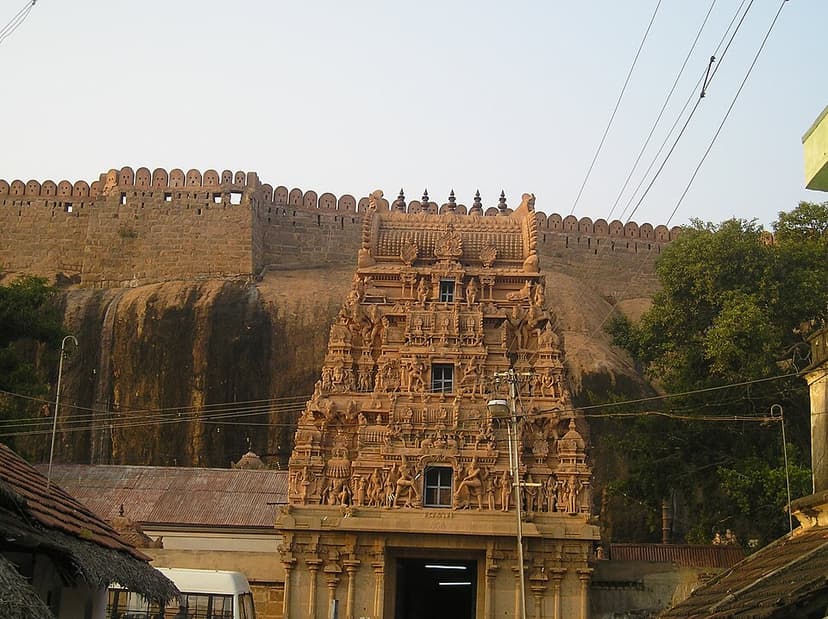
The Sathyamurthi Perumal Temple in Thirumayam, Tamil Nadu, is an ancient Hindu temple dedicated to Lord Vishnu. Renowned for its Dravidian architecture and significant presence in early Tamil devotional literature, it is recognized as one of the 108 Divya Desams. The temple complex features a majestic rajagopuram, a temple tank within its premises, and is under the administration of the Archaeological Survey of India.