
Sathyamurthi Perumal Temple
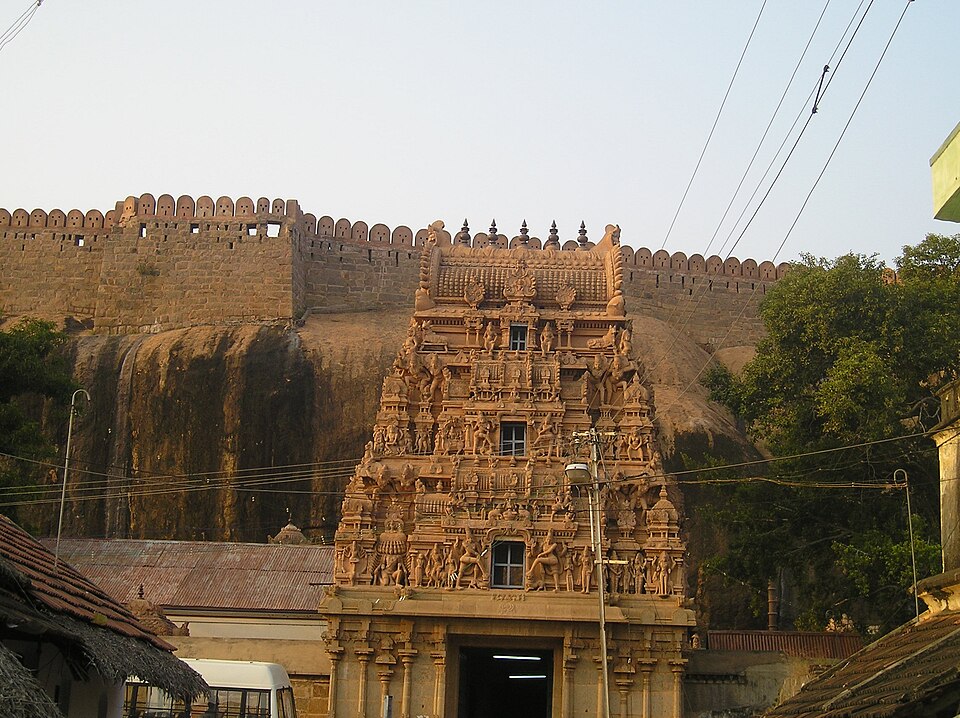
The Sathyamurthi Perumal Temple in Thirumayam, Tamil Nadu, is an ancient Hindu temple dedicated to Lord Vishnu. Renowned for its Dravidian architecture and significant presence in early Tamil devotional literature, it is recognized as one of the 108 Divya Desams. The temple complex features a majestic rajagopuram, a temple tank within its premises, and is under the administration of the Archaeological Survey of India.
Key Facts
- ›Dedicated to Lord Vishnu, worshipped as Sathyamurthi Perumal.
- ›Revered in the Nalayira Divya Prabandham, an early Tamil Vaishnava canon.
- ›Believed to have been constructed by the Pallavas in the 9th century CE.
- ›Features a large reclining sculpture of Vishnu, reportedly one of the largest in India.
- ›Administered by the Archaeological Survey of India as a protected monument.
- ›Celebrates prominent festivals including the car festival in Vaikasi and Krishna Jayanti.
Vishnu, Lakshmi
Revered In Nalayira Divya Prabandham, One of the 108 Divya Desams, Large Reclining Sculpture of Vishnu
Pallavas
Car Festival, Krishna Jayanti, Adi Puram
Granite
Pallavas, Perumbidugu Perumdevi
Reclining Vishnu, Adishesha With Emanating Flames
Pamapar River
About Sathyamurthi Perumal Temple
The Sathyamurthi Perumal Temple, located in Thirumayam, Tamil Nadu, is a significant Hindu temple dedicated to Lord Vishnu. It is celebrated for its Dravidian architectural style and holds a prominent place in early medieval Tamil devotional literature, specifically the Nalayira Divya Prabandham. The temple is recognized as one of the 108 Divya Desams, a collection of sacred Vishnu temples.
History and Construction
Historical accounts suggest the temple was constructed by the Pallavas during the 9th century CE. Some scholarly opinions place its origins to the seventh decade of the 9th century. The temple's design has been compared to structures built by the Muttaraiyar kings of the same era. An inscription within the temple indicates contributions from Perumbidugu Perumdevi, the mother of Sattan Maran, who was a contemporary and vassal of the Pallava king Nandivarman II.
Architecture and Features
The Sathyamurthi Perumal Temple is characterized by its striking Dravidian architecture. A granite wall encloses the entire temple complex, which includes a five-tiered rajagopuram. Notably, the temple houses a large reclining sculpture of Vishnu, known as ari thuyil or Azhagiya Neyyar, which is carved from a natural cavern and is considered one of the largest of its kind in India. The temple also features a temple tank situated within its premises.
Religious Significance and Practices
Revered by the Alvar saints, the temple is a sacred site for Vaishnavites. It follows the Tenkalai tradition of worship and adheres to the Vaikhanasagama. Four daily rituals are performed, alongside numerous annual festivals. Prominent among these are the car festival during the Tamil month of Vaikasi, Krishna Jayanti in Avani, and Adi Puram in July-August. The temple is currently maintained and administered by the Archaeological Survey of India as a protected monument.
Source: Wikipedia ↗
Frequently Asked Questions
What is the Sathyamurthi Perumal Temple dedicated to?
The Sathyamurthi Perumal Temple is dedicated to the Hindu god Vishnu. He is worshipped here as Sathyamurthi Perumal, with his consort Lakshmi as Ujeevana Thayar.
What is the architectural style of the temple?
The temple is constructed in the Dravidian style of architecture. It features a five-tiered rajagopuram, which is the gateway tower.
When is the Sathyamurthi Perumal Temple believed to have been built?
Historians generally believe the temple was built during the 9th century CE by the Pallava dynasty. Some scholars place its construction to the seventh decade of the 9th century.
What is the significance of the reclining sculpture in the temple?
The temple houses a large sculpture of Vishnu in a reclining position, known as ari thuyil or Azhagiya Neyyar. This sculpture is noted as one of the largest examples of this form in India and is carved from a natural cavern.
Is the Sathyamurthi Perumal Temple an active place of worship?
Yes, the temple is an active place of worship. Four daily rituals are performed, and many yearly festivals are held, with priests from the Vaishnavaite Brahmin community conducting daily rituals and poojas.
What is the religious significance of this temple?
The temple is highly significant as it is one of the 108 Divya Desams dedicated to Vishnu, and it is revered in the Nalayira Divya Prabandham, an important early medieval Tamil Vaishnava canon.
Related Temples (Hindu)

Jakath Rakshaka Perumal temple, Thirukkoodaloor
The Jakath Rakshaka Perumal temple, also known as Thirukoodaloor, is a Hindu temple located in Vadakurangaduturai, Tamil Nadu, dedicated to Lord Vishnu. It is renowned for its Dravidian architecture and its significance as one of the 108 Divya Desams, sacred abodes of Vishnu glorified in the early medieval Tamil canon.

Yathothkari Perumal Temple
The Yathothkari Perumal Temple, also known as Tiruvekkaa Temple, is a historic Hindu temple in Kanchipuram, Tamil Nadu, dedicated to Lord Vishnu. It is celebrated in the Naalayira Divya Prabandham and is recognized as one of the 108 Divya Desams, signifying its importance in Vaishnavism. The temple is notable for its ancient origins, believed to date back to the 8th century CE, with later contributions from various dynasties.
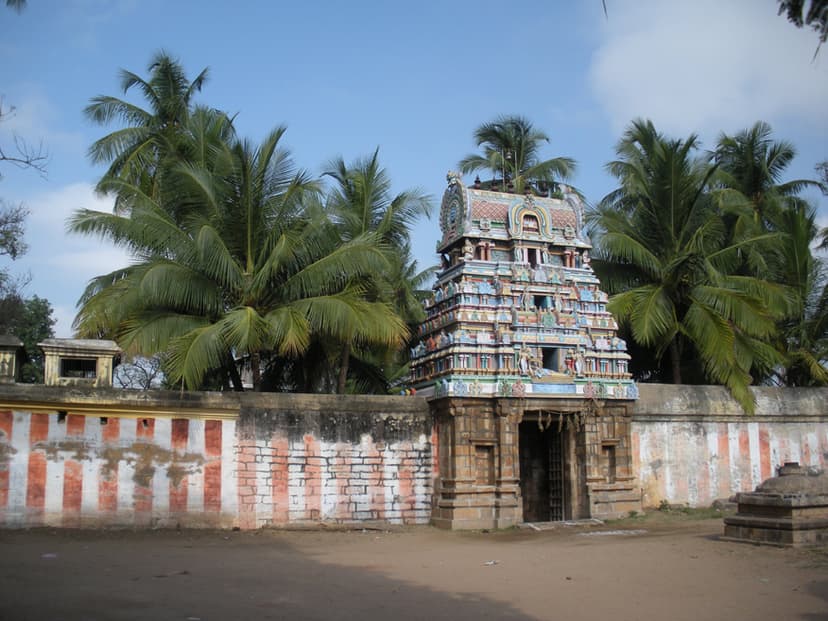
Sundararaja Perumal temple
The Sundararaja Perumal Temple, also known as Thiru Anbil or Vadivazhagiya Nambi Perumal Temple, is a Hindu temple dedicated to Lord Vishnu located in Anbil, Tamil Nadu. Constructed in the Dravidian architectural style, it is celebrated in ancient Tamil religious literature and is recognized as one of the 108 Divya Desams, significant pilgrimage sites for Vishnu devotees.