
Vaitheeswaran Koil
Vaitheeswaran Koil is a significant Hindu temple in Tamil Nadu, India, dedicated to Lord Shiva, who is worshipped as Vaidyanathar, the "God of Healing." The temple is renowned for its belief that prayers and rituals performed here can cure diseases, and it is also recognized as one of the nine Navagraha temples, associated with the planet Mars (Angaraka).
Key Facts
- ›Dedicated to Shiva as Vaidyanathar, the "God of Healing."
- ›Believed to cure diseases through divine intervention and sacred rituals.
- ›One of the nine Navagraha temples, representing the planet Mars (Angaraka).
- ›Revered by the 7th-century Saiva Nayanars and classified as a Paadal Petra Sthalam.
- ›Features the Siddhamirtham tank, whose holy waters are believed to contain nectar.
- ›Associated with Naadi astrology, a form of Hindu astrology practiced in the surrounding town.

Shiva
Religious Pilgrimage, Healing Center, Navagraha Temple, Revered In Tevaram Hymns
Chola Dynasty, Pandya Dynasty, Nayak Dynasty, Maratha Dynasty
Brahmotsavam, Karthigai Festival, Kantha Sashti
Stone, Metal
Rama, Lakshmana, Saptarishi, Angaraka, Parvati, Subramanya, Jatayu, Surya, Vikrama Chola, Vira Rajendra Pandya, Achuthappa Nayak, Thulaja
Metal Image of Subramanya, Metal Images of Nataraja, Metal Image of Somaskanda, Metal Image of Angaraka, Stone Sculptures of Durga, Stone Sculptures of Dakshinamoorthy, Stone Sculptures of Surya, Stone Sculptures of Jatayu, Stone Sculptures of Sampati, Image of Thiyalnayagi, Shrine To Dhanvantari, Shrine of Angaraka, Metal Image of Gangavisarjanar
Siddhamirtham Tank
About Vaitheeswaran Koil
Vaitheeswaran Koil is a significant Hindu temple located in the town of Vaitheeswarankoil, within the Mayiladuthurai district of Tamil Nadu, India. The temple is dedicated to Lord Shiva, who is worshipped here as Vaidyanathar or Vaitheeswaran, meaning the "God of Healing." It is widely believed that prayers offered to Vaitheeswaran possess the power to cure diseases, making the temple a crucial destination for those seeking divine healing.
Religious and Astrological Significance
This temple holds a special place in Hinduism as it is recognized as one of the nine Navagraha temples, specifically associated with the planet Mars (Angaraka). According to legend, Angaraka was afflicted with leprosy and was cured by Lord Vaidyanathaswamy at this site. The temple is also revered in the 7th-century Tevaram hymns composed by the Saiva Nayanars, Tamil saint-poets, and is classified as a Paadal Petra Sthalam. The town surrounding the temple is also known for Naadi astrology, a form of Hindu astrology based on ancient palm-leaf manuscripts.
Legends and History
Legends associated with Vaitheeswaran Koil trace back to the Ramayana period, with claims that Rama, Lakshmana, and the Saptarishi worshipped the deity here. Another legend recounts how Lord Shiva appeared as Vaitheeswaran to heal the injured army of his son Subramanya after a battle with the asura Surapadman. Historically, the temple has received contributions from various rulers, including those from the Chola, Pandya, Nayak, and Maratha dynasties. Inscriptions found within the temple complex date back to periods of rulers like Kulothunga Chola I and mention renovations and constructions undertaken by patrons and monastic institutions like the Dharmapuram Adheenam.
Architecture and Worship
The temple complex features a five-tiered gopuram, two inner gopurams, and expansive precincts. The central shrine houses the lingam form of Vaitheeswaran. Within the first precinct, one can find metal images of deities such as Subramanya (worshipped as Muthukumara Swamy), Nataraja, and Somaskanda, alongside stone sculptures of Durga, Dakshinamoorthy, Surya, Jatayu, and Sampati. A notable feature is the shrine of Thaiyalnayaki, who holds medicinal oil, and a small shrine dedicated to Dhanvantari, the divine physician. Devotees often perform rituals such as taking a holy dip in the Siddhamirtham tank, believed to contain nectar, and dissolving jaggery in its waters for skin ailments. Unique worship practices also include offering silver-plated body parts and the custom of priests associating directly with devotees to perform their worship.
Source: Wikipedia ↗
Frequently Asked Questions
What is the primary deity worshipped at Vaitheeswaran Koil?
The primary deity worshipped at Vaitheeswaran Koil is Lord Shiva, who is specifically revered as Vaidyanathar or Vaitheeswaran. This name translates to the "God of Healing," and it is believed that he possesses the power to cure all forms of ailments.
Why is Vaitheeswaran Koil considered a Navagraha temple?
Vaitheeswaran Koil is one of the nine Navagraha temples in Tamil Nadu and is specifically associated with the planet Mars, known as Angaraka. Legend states that Angaraka was cured of leprosy by Lord Vaidyanathaswamy at this temple, thus it holds significance for devotees seeking to appease or mitigate the influences of Mars.
What is the significance of the Siddhamirtham tank?
The Siddhamirtham tank, located within the temple complex, is considered holy. It is believed that the waters within this tank contain nectar and that taking a holy dip in it can lead to the cure of all diseases, reinforcing the temple's reputation as a healing center.
What historical periods and dynasties have contributed to Vaitheeswaran Koil?
The temple has a history of patronage from various rulers. Significant contributions have been made by rulers from the Chola and Pandya dynasties, as well as patrons like Achuthappa Nayak and Maratha prince Thulaja. Inscriptions also indicate contributions from the period of Kulothunga Chola I.
What are some of the unique worship practices at Vaitheeswaran Koil?
Devotees often take a holy dip in the temple tank before worship. Unique practices include dissolving jaggery in the waters for skin ailments, performing tonsure ceremonies for children's growth, and offering silver-plated images of body parts to address specific health issues. Priests at this temple often associate with devotees to perform worship on their behalf.
Related Temples (Hindu)

Mundeshwari Temple
The Mundeshwari Devi Temple, located on the Mundeshwari Hills in Bihar, India, is an ancient Hindu temple dedicated to Goddess Durga and Lord Shiva. It is recognized by the Archaeological Survey of India as a protected monument and is claimed by some scholars to be the oldest functional Hindu temple in the world, with evidence suggesting continuous worship since at least the 6th-7th century CE.

Uttaresvara Siva Temple
The Uttaresvara Siva Temple is a 12th-century Hindu temple dedicated to Lord Shiva, located in Bhubaneswar, Odisha, India. While its original structure from the 7th century has undergone renovations, it remains a significant site featuring various deities and architectural elements. The temple is part of a larger precinct that includes other shrines and a sacred tank.
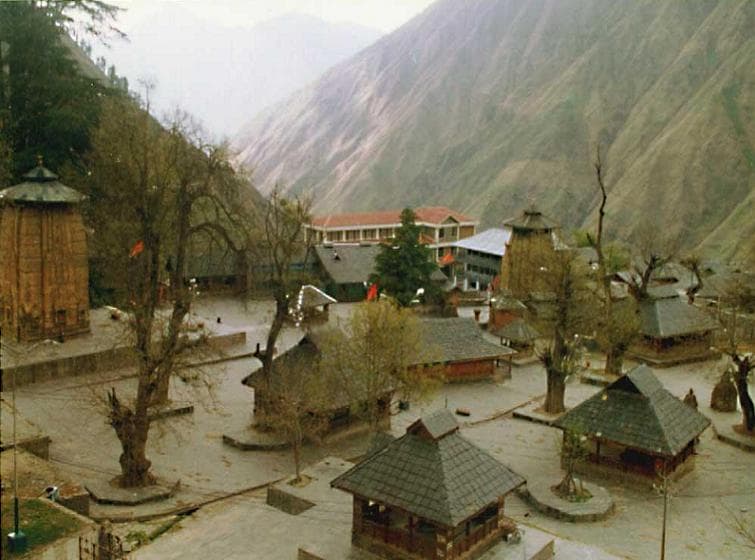
Chaurasi Temple
The Chaurasi Temple is a significant Hindu temple complex located in Bharmour, Himachal Pradesh, India, featuring 84 shrines. Built around the 7th century by Raja Meru Verman, it is dedicated to Lord Shiva and Goddess Shakti, holding immense religious importance for pilgrims visiting Manimahesh Lake.