
Vaishno Devi Temple
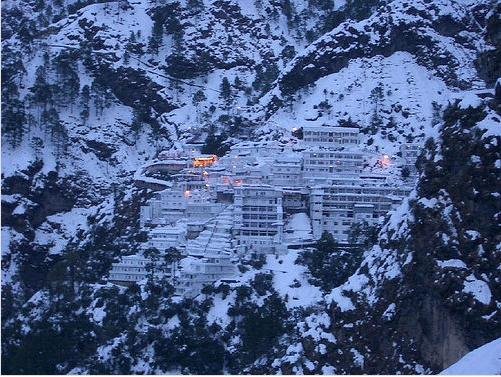
The Vaishno Devi Temple, also known as Shri Mata Vaishno Devi Temple, is a significant Hindu pilgrimage site located on Trikuta mountain in Katra, Jammu and Kashmir. Dedicated to Vaishno Devi, a manifestation of the goddesses Mahakali, Mahalakshmi, and Mahasaraswati, it is one of the most visited religious destinations in India, drawing millions of devotees annually.
Key Facts
- ›The temple is situated on Trikuta mountain at an elevation of 5,200 feet.
- ›It is dedicated to Vaishno Devi, a form of the goddesses Mahakali, Mahalakshmi, and Mahasaraswati.
- ›Millions of pilgrims visit the temple each year, making it one of India's most popular Hindu pilgrimage sites.
- ›The temple is governed by the Shri Mata Vaishno Devi Shrine Board (SMVDSB).
- ›The original shrine is believed to be a natural cave, with artificial tunnels constructed to accommodate the large number of visitors.
- ›The temple is considered one of the 108 Shakta pithas, sacred sites dedicated to Shakti.
Vaishno Devi, Mahakali, Mahalakshmi, Mahasaraswati
Major Hindu Pilgrimage Site, One of the 108 Shakta Pithas, Significant Religious Tourism Destination, Model For Pilgrimage Management In India
Navaratri, Diwali
Pandavas, Maharaja Ranjit Dev, Maharaja Gulab Singh, Karan Singh, Jagmohan
- Natural Rock Formation Interpreted As the Full Hand of the Mother Goddess
Charan Ganga
About Vaishno Devi Temple
Vaishno Devi Temple: A Sacred Abode on Trikuta Mountain
The Vaishno Devi Temple, also known as Shri Mata Vaishno Devi Temple and Vaishno Devi Bhavan, is a revered Hindu pilgrimage destination situated on the Trikuta mountain in Katra, Jammu and Kashmir, India. Dedicated to Vaishno Devi, a powerful manifestation of the goddesses Mahakali, Mahalakshmi, and Mahasaraswati, the temple is perched at an elevation of 5,200 feet. It is one of the most frequented pilgrimage sites in India, attracting millions of devotees annually.
Historical and Mythological Roots
The origins of the shrine are deeply intertwined with the local landscape and ancient traditions. Initially a sacred site for local tribes who revered the mountain's peaks as the goddess "Trikuta Devi," the area saw a cultural synthesis around the 12th century. During this period, the indigenous deity gradually became identified with the goddess Vaishno Devi. Legends connect the shrine to figures like Lord Rama, who is said to have met the goddess here, and the Pandavas, who are believed to have established the first temples to express their gratitude. The discovery of the holy cave is attributed to Pandit Shridhar around the 10th century CE.
The Pilgrimage Experience
The journey to the temple is considered a sacred pilgrimage, with several key spots along the route, including Ban Ganga and Ardhkuwari. A strong belief among devotees is that the pilgrimage only occurs when the goddess herself issues a divine call, known as 'Bulawa'. The original holy cave, approximately 98 feet long, features a narrow, watery pathway where pilgrims wade through the Charan Ganga stream. Inside, natural rock formations are interpreted as symbolic deities, and the central focus is the worship of the three holy Pindis, representing the primary goddesses.
Administration and Modernization
The temple is governed by the Shri Mata Vaishno Devi Shrine Board (SMVDSB), established in 1986 to enhance pilgrim facilities and administration. The board has significantly improved the pilgrimage experience through paved routes, helicopter services, and accommodation facilities. The temple is recognized as one of the 108 Shakta pithas, sacred sites dedicated to Shakti, the divine feminine energy. Its popularity has grown exponentially, transforming it into a model for pilgrimage management and a significant contributor to the local economy.
Source: Wikipedia ↗
Frequently Asked Questions
Where is the Vaishno Devi Temple located?
The Vaishno Devi Temple is located in Katra, Reasi district, Jammu and Kashmir, India. It is situated on Trikuta mountain at an elevation of 5,200 feet, about 43 km from Jammu city.
Who is Vaishno Devi?
Vaishno Devi is a manifestation of the Hindu goddesses Mahakali, Mahalakshmi, and Mahasaraswati. She is worshipped at the temple as a form of the great goddess Mahadevi.
What is the significance of the Trikuta mountain?
The Trikuta mountain, with its three prominent peaks, was originally revered as the goddess 'Trikuta Devi' by local tribes. It is believed that the goddess Vaishno Devi herself resides on this mountain.
What is the history of the Vaishno Devi shrine?
The shrine's origins are traced back to local tribes who worshipped the mountain's natural geography. Over centuries, the local deity Trikuta Devi became identified with Vaishno Devi. Regional rulers like Raja Jas Dev and Maharaja Ranjit Dev are recorded to have visited, with the latter establishing early pilgrim facilities.
What are the main deities worshipped at the temple?
The main deities worshipped at the temple are three natural, rounded stone formations known as the Pindis, which are revered as manifestations of Mahakali, Mahalakshmi, and Mahasaraswati, all forms of Vaishno Devi.
What are the important festivals celebrated at the temple?
The most prominent festivals celebrated at Vaishno Devi Temple are Navaratri, a nine-night festival honoring the goddess, and Diwali, the festival of lights.
How is the pilgrimage managed?
The pilgrimage is managed by the Shri Mata Vaishno Devi Shrine Board (SMVDSB), which was established in 1986 to improve administration and upgrade facilities for pilgrims. The board oversees various aspects of the pilgrimage, including accommodation, transport, and environmental management.
Related Temples (Hindu)
Padmakshi Temple
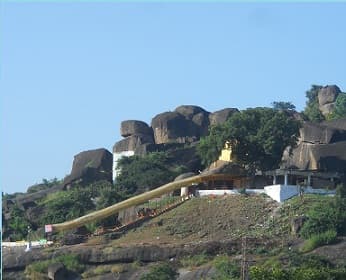
The Padmakshi Temple in Hanamakonda, Telangana, India, is one of the region's oldest temples. Originally featuring a Shaivite cave temple, it later housed a Jain shrine established in 1117 CE before being replaced by a Hindu temple dedicated to the goddess Padmakshi (Lakshmi). The temple is notable for its historical religious coexistence and its association with the annual Bathukamma festival.

Aihole
Aihole is a historic archaeological site in Karnataka, India, renowned for its extensive collection of over 120 Buddhist, Hindu, and Jain monuments dating from the 6th to 12th centuries CE. Serving as a cradle of early Indian temple architecture, Aihole showcases a remarkable period of experimentation in construction techniques and artistic styles, primarily under the patronage of the Early Chalukya dynasty.
Neminath Jain Temple, Girnar
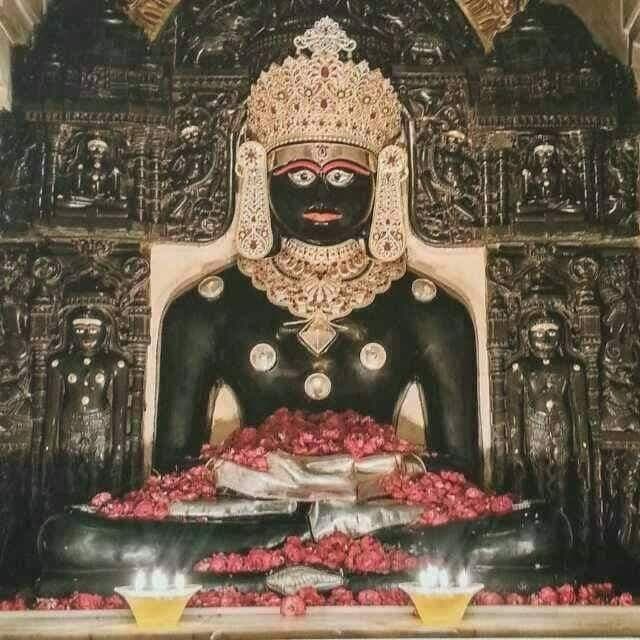
The Neminath Jain Temple, originally known as Karnavihara, is a significant Jain temple dedicated to the 24th Tirthankara, Neminatha, situated on Girnar hill in Gujarat, India. It is recognized as the foremost among the Girnar Jain temples, with its oldest existing structure dating back to the 12th century and built in the Māru-Gurjara architectural style.