
Padmakshi Temple
The Padmakshi Temple in Hanamakonda, Telangana, India, is one of the region's oldest temples. Originally featuring a Shaivite cave temple, it later housed a Jain shrine established in 1117 CE before being replaced by a Hindu temple dedicated to the goddess Padmakshi (Lakshmi). The temple is notable for its historical religious coexistence and its association with the annual Bathukamma festival.
Key Facts
- ›Dedicated to the Hindu goddess Padmakshi (Lakshmi), but also features Jain imagery.
- ›Originally a Shaivite cave temple, a Jain shrine was established in 1117 CE.
- ›The Jain shrine was later replaced by a Hindu temple.
- ›The temple is associated with the famous Bathukamma festival, celebrated annually by lakhs of women.
- ›Features sculptures of Jain Tirthankaras and other Jain deities.
- ›The Annakonda pillar, a quadrangular column of black granite, is an impressive architectural feature.
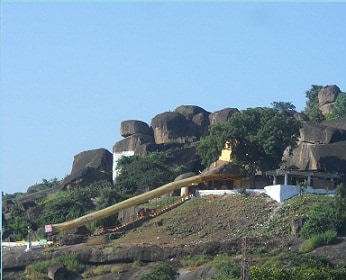
Padmakshi
Historical Religious Coexistence, Site of the Annual Bathukamma Festival, Ancient Temple In the Hanamakonda Area
Kakatiya
Bathukamma Festival
Black Granite Stone
Prola Ii, Mailama, Medarasa of Ugravadi
Sculptures of Jain Tirthankaras, Sculptures of Jain Gods and Goddesses, Naked Image of Parshwanatha
Pond At the Foot of the Padmakshi Hillock
About Padmakshi Temple
The Padmakshi Temple, situated in the Hanamakonda area of Telangana, India, stands as one of the region's most ancient religious sites. Its history is marked by a significant coexistence of Hindu and Jain traditions. The site originally featured a Shaivite cave temple, with artificial caves believed to have been carved before the 5th century CE. A Jain shrine, named Kadalalaya-basadi, was established in 1117 CE during the reign of the Kakatiya chief Prola II, who himself was a Shaivite. This Jain shrine was later replaced by a Hindu temple dedicated to the goddess Padmakshi, an aspect of Lakshmi.
Historical Context and Religious Significance
The Padmakshi Temple's history is characterized by religious transitions and historical disputes. While the earliest shrines were Hindu, a Jain shrine was actively patronized in the 12th century. In the 19th century, Jains petitioned the Nizam of Hyderabad for control of the site, claiming it was originally Jain. However, a commission appointed by the Nizam concluded that the earliest shrine at the location was indeed Hindu. The Nizam subsequently granted land for the temple's maintenance in 1869 CE.
Architecture and Artistry
Architecturally, the temple is distinguished by the Annakonda pillar, a quadrangular column of black granite stone located at its entrance, featuring four faces. The temple complex also showcases rich sculptures of Jain Tirthankaras, along with other Jain gods and goddesses. Notably, the present deity Padmakshi is understood to be a Jain yakshini named Amrakushmandini, associated with the yaksha Dharnendra and a large image of Parshwanatha.
Cultural Importance
Beyond its historical and religious significance, the Padmakshi Temple holds cultural importance as a site for the famous Bathukamma festival. Annually, lakhs of women gather at the temple to celebrate this festival, immersing flowers in the pond located at the base of the Padmakshi hillock. This event highlights the temple's continued role in the local community's cultural life.
Source: Wikipedia ↗
Frequently Asked Questions
What is the history of the Padmakshi Temple?
The site initially had a Shaivite cave temple, likely carved before the 5th century CE. A Jain shrine was established in 1117 CE, but it was later replaced by a Hindu temple. In the 19th century, a commission confirmed the site's original Hindu shrine status.
Who is the Padmakshi Temple dedicated to?
The temple is primarily dedicated to the Hindu goddess Padmakshi, who is another form of Lakshmi. However, it also incorporates significant Jain imagery and deities.
What is the architectural style of the Padmakshi Temple?
The temple features a quadrangular column at its entrance known as the Annakonda pillar, made of black granite. It also contains rich sculptures of Jain Tirthankaras and other Jain gods and goddesses.
What is the significance of the Bathukamma festival at this temple?
Once a year, lakhs of women gather to celebrate the Bathukamma festival. They immerse flowers in the pond located at the foot of the Padmakshi hillock during this celebration.
Was the Padmakshi Temple ever a Jain site?
Yes, a Jain shrine named Kadalalaya-basadi was constructed in 1117 CE. While Jains attempted to regain control in the 19th century, historical commissions concluded that the earliest shrine at the site was Hindu.
Related Temples (Hindu)
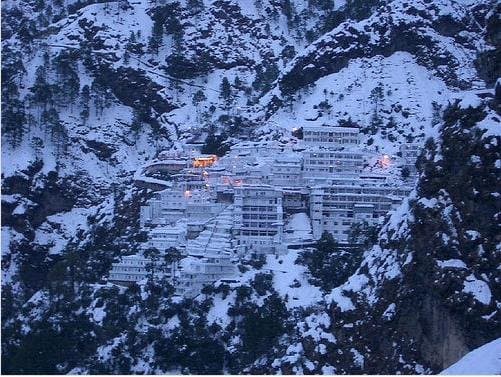
Vaishno Devi Temple
The Vaishno Devi Temple, also known as Shri Mata Vaishno Devi Temple, is a significant Hindu pilgrimage site located on Trikuta mountain in Katra, Jammu and Kashmir. Dedicated to Vaishno Devi, a manifestation of the goddesses Mahakali, Mahalakshmi, and Mahasaraswati, it is one of the most visited religious destinations in India, drawing millions of devotees annually.

Aihole
Aihole is a historic archaeological site in Karnataka, India, renowned for its extensive collection of over 120 Buddhist, Hindu, and Jain monuments dating from the 6th to 12th centuries CE. Serving as a cradle of early Indian temple architecture, Aihole showcases a remarkable period of experimentation in construction techniques and artistic styles, primarily under the patronage of the Early Chalukya dynasty.
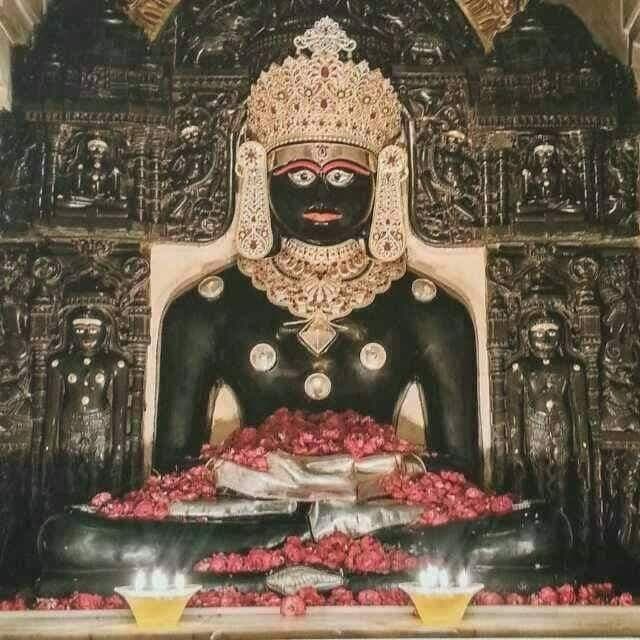
Neminath Jain Temple, Girnar
The Neminath Jain Temple, originally known as Karnavihara, is a significant Jain temple dedicated to the 24th Tirthankara, Neminatha, situated on Girnar hill in Gujarat, India. It is recognized as the foremost among the Girnar Jain temples, with its oldest existing structure dating back to the 12th century and built in the Māru-Gurjara architectural style.