
Shree Govindajee Temple
Shree Govindajee Temple is a prominent Meitei Hindu temple in Imphal, Manipur, India, dedicated to Radha Krishna. Originally built in 1846 and later rebuilt in 1876, it is the largest Vaishnava temple in the Imphal district and holds significant religious and cultural importance for the Meitei people.
Key Facts
- ›Dedicated to Hindu deities Radha Krishna (Govindaji).
- ›Largest Vaishnava temple in Imphal district, Manipur, India.
- ›Originally built in 1846 by Maharaja Nara Singh and rebuilt in 1876 by Maharaja Chandrakriti.
- ›Located next to Sana Konung, the palace of former Meitei rulers.
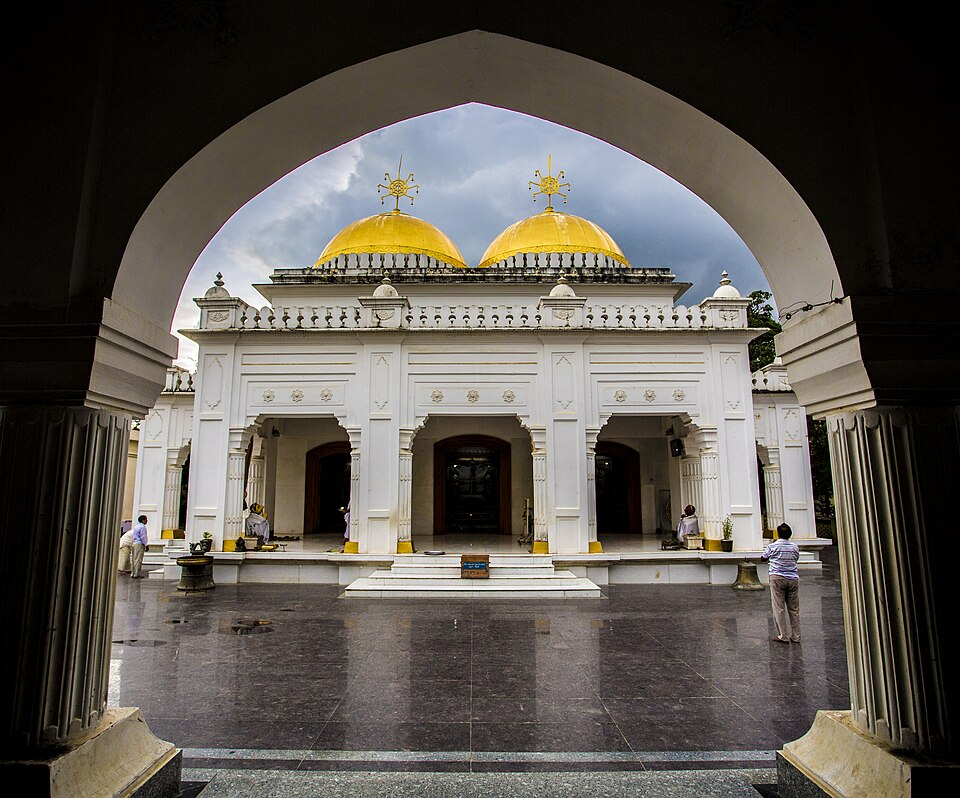
- ›Features two gold-plated domes, a congregation hall (Mandop), and a circumambulatory passage.
- ›Known for its ritualistic daily worship and traditional dress code for devotees.
Radha Krishna, Govindaji, Krishna, Balarama, Jagannath, Subhadra, Balabhadra
- Major Vaishnava Pilgrimage Site.
- Cultural Center For Meitei Hindu Traditions.
- Historical Royal Deity Temple of Manipur Kingdom.
- Site For the Performance of Ras Lila Dance Form.
Meitei Kingdom
Janmashtami, Kang, Ras Lila, Halangkar, Basant Purnima, Kartik Purnima
Brick, Mortar, Gold Plating, Wood, Plaster of Paris
Maharaja Nara Singh, Maharaja Chandrakriti, Maharaja Jai Singh, Bhagya Chandra Karta
About Shree Govindajee Temple
Shree Govindajee Temple is a significant Meitei Hindu temple located in Imphal, the capital of Manipur, India. Dedicated to the deities Radha and Krishna (Govindaji), it holds the distinction of being the largest Vaishnava temple in the Imphal district. The temple's history is closely intertwined with the royal lineage of Manipur, having been originally built in 1846 during the reign of Maharaja Nara Singh and later rebuilt in 1876 by Maharaja Chandrakriti.
Location and Historical Context
The temple is situated adjacent to Sana Konung, the former royal palace of the Meitei rulers, underscoring its historical connection to the kingdom. Imphal's accessibility via various national highways and air services makes it a reachable pilgrimage destination. The temple's construction dates back to the mid-19th century, though tradition also attributes the initiation of the idol carving of Lord Govindaji to Maharaja Jai Singh in the late 18th century.
Architectural Features and Structure
Shree Govindajee Temple is characterized by its elegant yet simple design. It features two prominent gold-plated domes, a paved courtyard, and a large, raised Mandapa (congregation hall). The main sanctum sanctorum houses the deities of Govindaji and Radha, with adjoining chambers dedicated to other deities like Krishna, Balarama, Jagannath, Subhadra, and Balabhadra. The structure is built on a high platform with a circumambulatory passage, arcade systems, and decorative elements like elephant heads at the cornice level of the Mandapa. The temple is constructed using brick and mortar, with its domes being a notable gilded feature.
Religious Significance and Worship
The temple is a vital center for Vaishnavism in Manipur, particularly for the Meitei community. Daily worship is conducted with strict ritualistic discipline and a traditional dress code for devotees. Important festivals such as Janmashtami and Kang (Rathayatra) are celebrated with great fervor, attracting large numbers of devotees. The temple is also renowned for hosting the Ras Lila, a classical Manipuri dance form that dramatizes the divine love of Radha and Krishna, often performed during major festivals.
Administration and Renovations
Historically managed by the royal family, the temple is now overseen by a board with the Chief Minister of Manipur as its president. The temple and its associated structures have undergone renovations, including the re-gilding of its domes, to preserve its heritage and functionality.
Source: Wikipedia ↗
Frequently Asked Questions
When was Shree Govindajee Temple first constructed?
The temple was originally commissioned by Maharaja Nara Singh on January 16, 1846. It was later rebuilt to its original design and consecrated on April 26, 1876, by Maharaja Chandrakriti.
What deities are worshipped at Shree Govindajee Temple?
The central chamber of the sanctum sanctorum is dedicated to Govindaji (Lord Krishna) and his chief consort Radha. Other deities enshrined include Krishna and Balarama on one side, and Jagannath, Subhadra, and Balabhadra on the other.
What is the architectural style of Shree Govindajee Temple?
The temple is built over a square plan on a high platform, resembling a royal residence. It features a circumambulatory passage around the sanctum, arcade systems with huge columns, and two arched domes terminating in a crown topped by an Amalaka Sila and a Kalasa.
What significant festivals are celebrated at Shree Govindajee Temple?
Major festivals include Janmashtami in August and Kang (Rathayatra) in June-July. The temple also hosts the Ras Lila dance form during festivals like Halangkar (Holi), Basant Purnima in February, and Kartik Purnima in October.
What materials were used in the construction of Shree Govindajee Temple?
The temple is primarily built with brick and mortar. The domes are gold-plated, and the images of some deities are made from special wood or Plaster of Paris.
Is Shree Govindajee Temple an active place of worship?
Yes, Shree Govindajee Temple is an active place of worship. Daily worship practices are followed rigorously in the morning and evening, with a strict dress code for devotees.
Related Temples (Hindu)

Satyanarayana Temple, Annavaram
The Satyanarayana Temple in Annavaram, Andhra Pradesh, is a prominent Hindu pilgrimage site dedicated to Lord Satyanarayana Swamy, an incarnation of Lord Vishnu. Situated atop Ratnagiri Hill, the temple is renowned for attracting thousands of devotees daily, particularly for the Satyanarayana Vratham, and is considered one of the wealthiest and most visited religious sites in the state.

Jhandewalan Temple
The Jhandewalan Temple in Delhi, dedicated to Vaishno Devi, was founded in the 19th century by Badri Bhagat. Originally located near a spring where Bhagat discovered an idol, the temple gained its name from a large flag (jhanda) hoisted to mark the site. It remains a significant religious center, particularly during the Navratri festival, and is known for its extensive charitable work.

Mata Mansa Devi Mandir
Mata Mansa Devi Mandir is a significant Hindu temple dedicated to Goddess Mansa Devi, a form of Shakti, located in the Panchkula district of Haryana, India. The temple complex, spread across 100 acres in the Shivalik foothills, was established in its current form between 1811 and 1815 by Maharaja Gopal Das Singh of Mani Majra and has been managed by the Shri Mata Mansa Devi Shrine Board since 1991.