
Shiv Mandir, Maharashtra
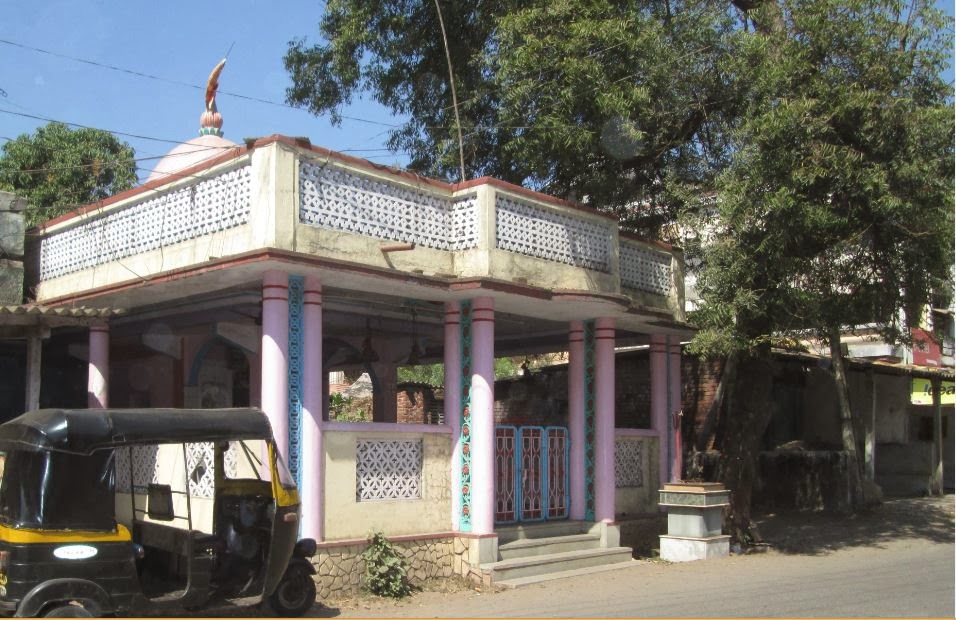
The Shiv Mandir, Maharashtra is a significant Hindu temple located in Vangaon village, Palghar district, Maharashtra, India. It is renowned for its ancient, self-manifested (swayambhu) Shiva Linga, which is believed to fulfill devotees' wishes. The temple attracts large crowds, particularly during Mahashivratri and the month of Shravan, for various religious ceremonies and fairs.
Key Facts
- ›The temple is situated in Vangaon village, Palghar district, Maharashtra, India.
- ›It houses a divine Shiva Linga that is considered swayambhu, meaning it has been prayed to since ancient times.
- ›The temple building was re-established in the 19th century by the Thakur family and other local families.
- ›Tribal ancestral stories suggest the Shiva Linga was formed during the Treta Yuga.
- ›The temple is a major attraction in the Palghar District.
- ›It experiences overcrowding during festivals like Mahashivratri and throughout the month of Shravan.
Shiva
Religious Pilgrimage, Ancient Shiva Linga, Cultural Heritage
Mahashivratri, Shravan
Thakur Family, Local Families of Vangaon
About Shiv Mandir, Maharashtra
The Shiv Mandir, located in Vangaon village within the Palghar district of Maharashtra, India, is a significant Hindu pilgrimage site renowned for its ancient and self-manifested (swayambhu) Shiva Linga. The temple's history is deeply rooted in local traditions and divine narratives, with the Shiva Linga itself believed to have been worshipped since antiquity. While the original presence of the Shiva Linga predates any constructed edifice, the temple building was re-established in the 19th century by the Thakur family and other prominent local families of Vangaon.
Tribal ancestral stories offer unique accounts of the temple's origins, with some traditions suggesting the Shiva Linga was formed during the Treta Yuga. The divine Shiva Linga housed within the temple's Garbhagriha is central to its spiritual significance, widely believed by devotees to fulfill their innermost desires. The temple serves as a major attraction in the Palghar District, drawing considerable crowds, particularly during auspicious occasions.
Shiv Mandir experiences its peak activity during the Mahashivratri festival, which is accompanied by a vibrant fair, and throughout the entire month of Shravan, a period highly revered for Shiva worship. During these times, pilgrims flock to the temple to participate in various religious ceremonies and seek blessings. Popular rituals performed include Rudrabhishek, Parthiv Ling Pooja, Akhand Ramayan Path, Nava Parayan, and Masparayan (Ramcharitmanas), among other devotional events. The temple's proximity to Vangaon railway station makes it relatively accessible for visitors traveling from Mumbai and other nearby regions.
Source: Wikipedia ↗
Frequently Asked Questions
Where is the Shiv Mandir, Maharashtra located?
The Shiv Mandir is located in Vangaon village, in the Palghar district of Maharashtra, India. It is situated about 100 meters from the Vangaon railway station, 130 km from Mumbai, and 60 km from Vapi.
What is special about the Shiva Linga in the Shiv Mandir?
The Shiva Linga within the Shiv Mandir is considered swayambhu, meaning it is self-manifested and has been worshipped since ancient times. Local people narrate many traditional stories associated with it, and there is a long-held belief that it fulfills desired wishes.
When was the Shiv Mandir established?
The Shiva Linga itself has existed since ancient times, with locals praying to it even before any temple structure was built. The current temple building was re-established in the 19th century by the Thakur family and other local families of Vangaon.
What are the peak times to visit the Shiv Mandir?
The temple becomes particularly overcrowded during occasions like Mahashivratri, when a fair is held, and throughout the month of Shravan. Pilgrims visit during these times for various religious rituals and blessings.
What religious activities take place at Shiv Mandir?
Devotees visit the temple to receive blessings through various Shiva Poojas such as Rudrabhishek and Parthiv Ling Pooja. Other religious events like Akhand Ramayan Path, Nava Parayan, and Masparayan (Ramcharitmanas) are also conducted.
Related Temples (Hindu)

Satyanarayana Temple, Annavaram
The Satyanarayana Temple in Annavaram, Andhra Pradesh, is a prominent Hindu pilgrimage site dedicated to Lord Satyanarayana Swamy, an incarnation of Lord Vishnu. Situated atop Ratnagiri Hill, the temple is renowned for attracting thousands of devotees daily, particularly for the Satyanarayana Vratham, and is considered one of the wealthiest and most visited religious sites in the state.

Jhandewalan Temple
The Jhandewalan Temple in Delhi, dedicated to Vaishno Devi, was founded in the 19th century by Badri Bhagat. Originally located near a spring where Bhagat discovered an idol, the temple gained its name from a large flag (jhanda) hoisted to mark the site. It remains a significant religious center, particularly during the Navratri festival, and is known for its extensive charitable work.

Mata Mansa Devi Mandir
Mata Mansa Devi Mandir is a significant Hindu temple dedicated to Goddess Mansa Devi, a form of Shakti, located in the Panchkula district of Haryana, India. The temple complex, spread across 100 acres in the Shivalik foothills, was established in its current form between 1811 and 1815 by Maharaja Gopal Das Singh of Mani Majra and has been managed by the Shri Mata Mansa Devi Shrine Board since 1991.