
Polali Rajarajeshwari Temple
The Polali Rajarajeshwari Temple, located in Dakshina Kannada, Karnataka, is an ancient Hindu temple primarily dedicated to Goddess Shri Rajarajeshwari. Constructed in the 8th century AD, the temple is renowned for its unique idol of the deity, which is molded entirely from clay with special medicinal properties. The temple complex showcases distinctive Hindu architecture with wooden carvings and copper plates, and it remains an active center of worship and a site for significant annual festivals.
Key Facts
- ›The primary deity worshipped is Shri Rajarajeshwari, another form of Goddess Sri Lalita Tripurasundari.
- ›The temple was originally constructed in the 8th century AD by King Suratha.
- ›The idol of Shri Rajarajeshwari is uniquely made from clay with special medicinal properties.
- ›The temple architecture features roofs adorned with wooden carvings of deities and copper plates.
- ›An important annual event is the Polali Chendu festival, a unique football game symbolizing the victory of good over evil.
- ›The temple is situated on the banks of the Phalguni River in Kariyangala village.
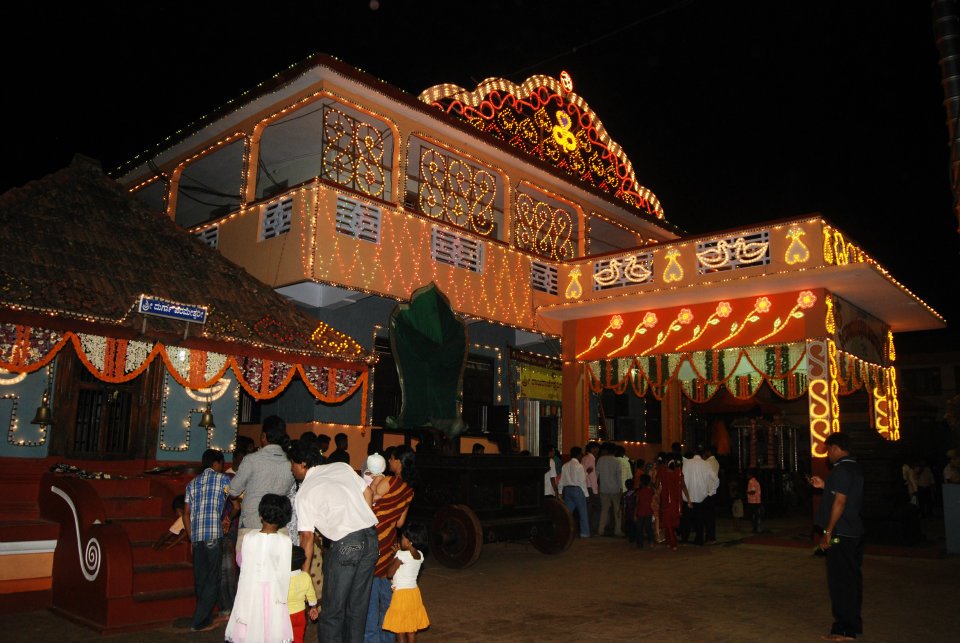
Shri Rajarajeshwari, Sri Lalita Tripurasundari
- Historical Temple Construction Dating Back To the 8th Century Ad.
- Unique Clay Idol With Medicinal Properties.
- Site of the Distinctive Polali Chendu Festival.
- Architectural Features Including Wooden Carvings and Copper Plates.
Kadamba, Chalukya, Alupa, Rashtrakoota, Hoisala, Vijayanagara, Ikkeri, Mysore, Keladi
Polali Chendu Festival, Annual Festival, Simha Sankramana, Souramana Ugadi, Gokulashtami, Navarathri, Deepavali, Laksha Deepotsava, Mahashivarathri Festival
Clay, Wood, Copper Plates
King Suratha, Queen Chennammaji of Keladi, Alupa Dynasty
- Wooden Carvings of Gods and Goddesses On the Mukhamantapa Roof
Phalguni River
About Polali Rajarajeshwari Temple
The Polali Rajarajeshwari Temple is a significant Hindu place of worship located in Polali, within the Dakshina Kannada district of Karnataka, India. Primarily dedicated to Goddess Shri Rajarajeshwari, an aspect of Sri Lalita Tripurasundari, the temple boasts a rich history, with its construction believed to date back to the 8th century AD. It is widely held that King Suratha initiated the temple's construction, and it has since been developed and patronized by various ruling dynasties of the region.
One of the most distinctive features of the Polali Rajarajeshwari Temple is its main idol, which is entirely molded from clay and is said to possess special medicinal properties. This unique idol is historically believed to be up to 5000 years old. Architecturally, the temple showcases traditional Hindu design, with its roofs intricately adorned with wooden carvings of deities and also covered with copper plates.
The temple is an active center of daily worship, with regular poojas conducted throughout the day. It is also renowned for its vibrant annual festivals. The Polali Chendu festival, often referred to as the football festival, is a particularly notable event where a game of football symbolizes the triumph of good over evil. This festival is followed by a month-long annual celebration in March, attracting visitors from around the world. The temple's historical importance is further underscored by its location on the banks of the Phalguni River and its patronage by numerous dynasties, including the Alupas, Vijayanagara, and Mysore rulers.
Historically, the region surrounding the temple was ruled by several prominent dynasties, many of whom contributed significantly to the temple's development and supported the worship of Shri Rajarajeshwari. Among these, the Alupa dynasty is particularly noted for their contributions. In later years, Queen Chennammaji of Keladi is recorded to have gifted the temple a grand chariot. The temple complex also houses smaller idols dedicated to other deities, and a unique ritual known as Lepashta Gandha, involving coating the idols with a special soil mixture, is performed every twelve years.
History and Patronage
Historical records and inscriptions suggest that the temple was established in the 8th century AD, with King Suratha credited as its founder. Legend states that the king, after facing betrayal and losing his kingdom, sought refuge and carved the clay idol of Shri Rajarajeshwari, offering penance. Over centuries, the temple benefited from the patronage of various dynasties that ruled the region, including the Kadamba, Chalukya, Alupa, Rashtrakoota, Hoisala, Vijayanagara, Ikkeri, and Mysore empires. The Alupa dynasty, in particular, is recognized for their significant contributions to the temple's development and the promotion of Shri Rajarajeshwari's worship.
Architecture and Artistry
The temple's architecture is a testament to traditional Hindu styles. The roofs are a notable feature, embellished with elaborate wooden carvings depicting various gods and goddesses. Other elements, such as the Dhwajastambha (flagstaff) and the Garbagriha (sanctum sanctorum), are covered with copper plates. The stucco image of the main deity, Shri Rajarajeshwari, stands at a height of 10 feet, and the clay used for its creation is specially prepared with herbal mixtures.
Festivals and Rituals
The Polali Rajarajeshwari Temple observes a rich calendar of festivals and rituals. The daily poojas are conducted with devotion, and special occasions are marked by elaborate ceremonies. The Polali Chendu festival is a unique event, with a football game symbolizing the victory of good over evil. The temple's annual festival, held in March, lasts for a month and is a major draw for devotees and tourists alike. The ritual of Lepashta Gandha, performed every twelve years, involves coating the idols with a special eight-medicinal-property soil mixture.
Location and Environment
The temple is situated in a picturesque setting in Polali, on the northern banks of the Phalguni River, surrounded by lush paddy fields. The nearest major city is Mangalore, located approximately 19 kilometers away. The ancient name of the place, Pural, meaning "Flute" in the Tulu language, is derived from the Mugera language and is also associated with the meaning of changing sides, possibly referencing the abrupt turn of the river near the temple.
Source: Wikipedia ↗
Frequently Asked Questions
When was the Polali Rajarajeshwari Temple built?
The temple was built in the 8th century AD. Historical inscriptions suggest the temple around the clay idol was constructed during this period, with a widely held belief that King Suratha was its founder.
What is unique about the idol of Shri Rajarajeshwari at this temple?
The idol of Shri Rajarajeshwari is entirely molded from clay and possesses special medicinal properties. This clay idol is historically believed to be up to 5000 years old.
What architectural features are notable at Polali Rajarajeshwari Temple?
The temple exhibits Hindu architecture with roofs adorned with intricate wooden carvings of gods and goddesses. Other sections, such as the Dhwajastambha and Garbagriha, are covered in copper plates.
What are the significant festivals celebrated at Polali Rajarajeshwari Temple?
The temple celebrates several annual festivals, including the Polali Chendu festival, a unique football game held during the main annual festival in March. The annual festival itself lasts for a month.
What is the historical significance of the Polali Chendu festival?
The Polali Chendu festival, or football festival, historically represents the fight of good over evil. Tipu Sultan was an admirer of this festival and had a platform built to watch the game, which is still known as Sultan Katte.
Where is the Polali Rajarajeshwari Temple located?
The temple is situated in Polali, within the Dakshina Kannada district of Karnataka, on the banks of the Phalguni River. It is located in Kariyangala village of Bantwal taluk.
Related Temples (Hindu)
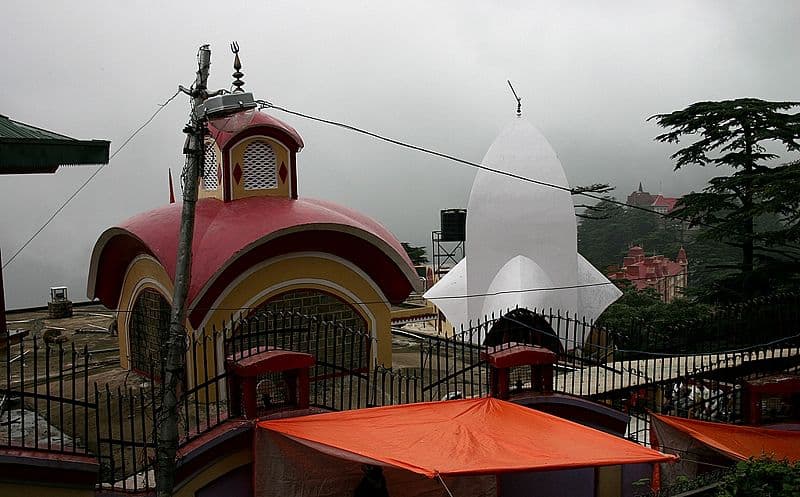
Kali Bari
Kali Bari Mandir is a Hindu temple located on Bantony Hill in Shimla, India, dedicated to Shyamala, a fierce manifestation of Goddess Kali. The temple, originally built in 1823, is noted for its unique Hindu-style architecture and a blue wooden idol of the goddess.
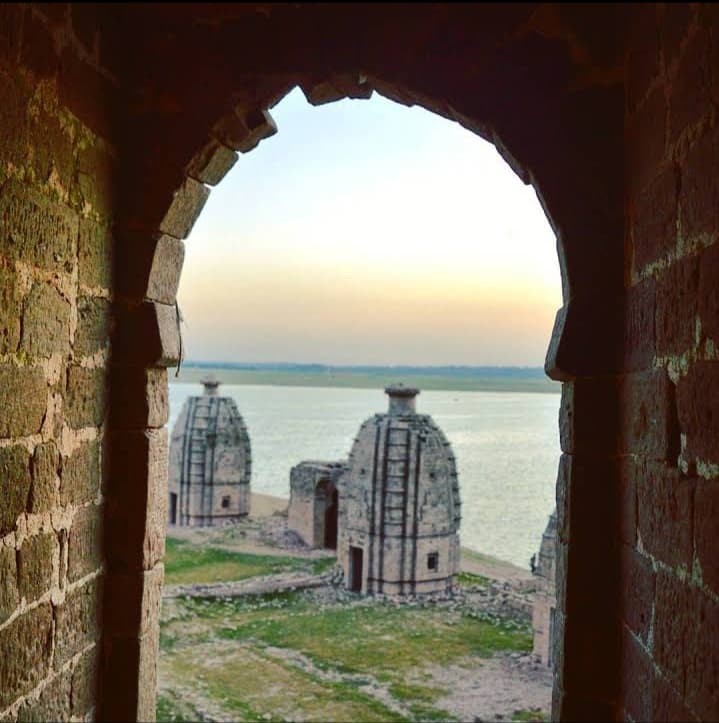
Bathu Temples
The Bathu Temples, also known as Bathu ki Ladi, are a cluster of ancient Hindu temples located in the Kangra district of Himachal Pradesh, India. Originally submerged by the Pong Dam reservoir in the 1970s, these temples are now only accessible for a few months each year when water levels recede. The main temple is primarily dedicated to Goddess Parvati and Lord Shiva, with some traditions also associating it with Lord Vishnu.

Pataleshwar Caves, Pune
The Pataleshwar Caves are an 8th-century rock-cut Hindu temple complex in Pune, Maharashtra, India, originally excavated during the Rashtrakuta period. Dedicated primarily to Shiva, the temple features a unique monolithic structure with a circular Nandi mandapa and a large pillared mandapa, with its sanctums carved deeper into the ground, giving it the name Pataleshwar, meaning 'Lord of the Underworld'. The site, managed by the Archaeological Survey of India, is a protected monument that has undergone restoration and now includes a surrounding garden and new idols.