
Kankali Devi temple
Gupta period·5th century·India
The Kankali Devi Temple in Tigawa, Madhya Pradesh, is an ancient Hindu temple from the Gupta period, dating to the early 5th century CE. It is a significant example of early Hindu temple architecture, illustrating formative stages and essential elements of the north Indian style. Although named Kankali Devi, it was likely originally dedicated to Vishnu, with images of Narasimha and Sheshashai Vishnu found within.
Key Facts
- ›Dated to approximately 400-425 CE, placing it in the early Gupta period.
- ›Considered one of the oldest surviving Hindu temples, illustrating formative stages of temple architecture.
- ›Features a sanctum and an open portico supported on four pillars, with intricately carved door jambs.
- ›Likely dedicated to Vishnu, with images of Narasimha and Sheshashai Vishnu among its iconography.
- ›Its architectural style is closely similar to Temple 17 at Sanchi, highlighting links between Hindu and Buddhist architecture in the 5th century.
- ›Located in Tigawa, Madhya Pradesh, an archaeological site with numerous temple ruins.

Vishnu, Narasimha, Sheshashai Vishnu, Chamunda
- Illustrates Formative Stages of Hindu Temple Architecture
- Key Example of Gupta Period Temple Construction
- Demonstrates Links Between Hindu and Buddhist Architecture In the 5th Century
Gupta Empire
Stone
Narasimha, Sheshashai Vishnu, Chamunda, Ganga, Yamuna
About Kankali Devi temple
Kankali Devi Temple, Tigawa
The Kankali Devi Temple, located in Tigawa, Madhya Pradesh, India, is a significant archaeological site and one of the oldest surviving Hindu temples, dating from the Gupta period. Generally dated to the early 5th century CE (around 400-425 CE), it is renowned for illustrating the formative stages and essential architectural elements of the north Indian temple style.
Historical Context and Architecture
Part of a larger complex of approximately 36 temple ruins, the Kankali Devi Temple is notable for its relatively good condition. It features a square sanctum and an open portico supported by four pillars. The temple's architecture shares striking similarities with Temple 17 at Sanchi, suggesting a close relationship between Hindu and Buddhist architectural practices during the 5th century. The door jambs are intricately carved, with depictions of river goddesses Ganga and Yamuna.
Iconography and Dedication
While named after the goddess Kankali Devi (a form of Chamunda), the temple is widely believed to have been originally dedicated to Vishnu. Evidence for this includes an image of Vishnu as Narasimha within the sanctum and a relief of Sheshashai Vishnu (Narayana) in the portico. Later additions may have included the Chamunda panel, and other reliefs suggest a broader devotional scope, with Shaktism and Shaivism themes also present.
Significance and Preservation
The Kankali Devi Temple is crucial for understanding the evolution of Hindu sacred architecture. Its preservation, largely due to the intervention of a colonial-era official who halted a railway contractor's demolition of the ruins in the 1870s, allows scholars to study its architectural features. The site's location on a plateau near the Kaimur range highlights the ancient use of local geology for construction and water management.
Source: Wikipedia ↗
Frequently Asked Questions
When was the Kankali Devi Temple built?
The Kankali Devi Temple is generally dated to the early 5th century CE, with scholars often placing it within the range of 400-425 CE. Some historical analyses suggest it could be as early as the 3rd century CE, though the early 5th century is the more widely accepted timeframe.
What deity is worshipped at the Kankali Devi Temple?
Despite its name, the Kankali Devi Temple was likely originally dedicated to the Hindu deity Vishnu. An image of Vishnu in his Narasimha avatar is placed inside the sanctum, and an image of Sheshashai Vishnu (Narayana) is found in the portico. A panel of Chamunda (Kankali Devi) also exists, suggesting later additions or a broader scope of worship.
What is the architectural style of the Kankali Devi Temple?
The Kankali Devi Temple exemplifies the formative stages of Hindu temple architecture, particularly the north Indian style. It features a square sanctum with a flat roof and an open portico supported by pillars, sharing many architectural similarities with the Gupta period Temple 17 at Sanchi.
Where is the Kankali Devi Temple located?
The Kankali Devi Temple is situated in the village of Tigawa, also known as Tigwan, in the Katni district of the Indian state of Madhya Pradesh. The site is located north of Bahuriband and between the towns of Katni and Jabalpur.
What makes the Kankali Devi Temple significant?
Its significance lies in its status as one of the oldest surviving Hindu temples, offering crucial insights into the early development of Hindu temple architecture. Its architectural similarities to the Sanchi shrine also highlight the interconnectedness of Hindu and Buddhist architectural traditions during the Gupta era.
Related Temples (Hindu)

Ardhanareeswarar temple, Tiruchengode, Namakkal
The Ardhanareeswarar Temple in Tiruchengode, Tamil Nadu, is an ancient Hindu temple dedicated to Ardhanarishvara, the composite form of Shiva and Parvati. It is renowned for its unique deity image and its location atop a sacred hill, accessible by a climb of 1156 steps. The temple holds significant religious importance, being praised in ancient Saivite hymns and renovated by various dynasties.
Palani Murugan Temple
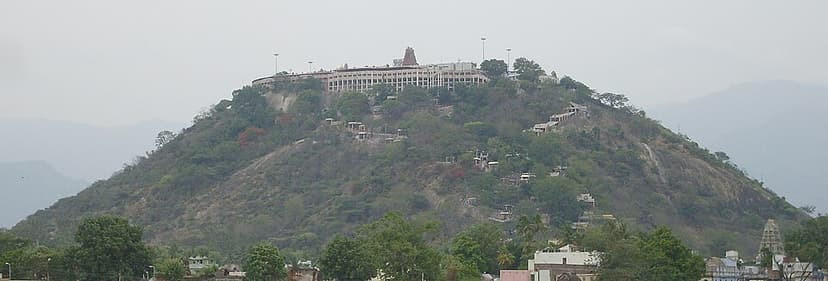
The Palani Murugan Temple, also known as Dhandayuthapani Swamy Temple, is a significant Hindu temple dedicated to Lord Murugan, located atop a hillock in Palani, Tamil Nadu. It is revered as one of the Six Abodes of Murugan and is a major pilgrimage site, drawing devotees for its unique rituals and prasadam.
Keesaragutta Temple
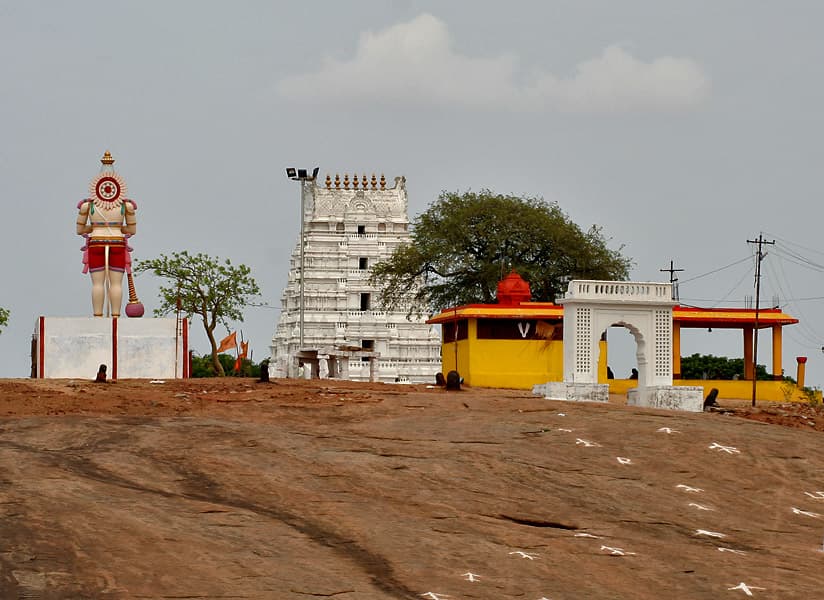
Keesaragutta Temple, located in Telangana, India, is a significant Hindu temple dedicated to Lord Shiva and Parvati. Legend states that Lord Rama installed the primary lingam here, leading to its name Ramalingeswara, and it is believed to be a Swayambhu Linga. The temple is a popular pilgrimage site, especially during Maha Shivaratri and the month of Kartika.