
Devi Vaishini Temple
The Devi Vaishini Temple is located on the Devi Vashini hill, also known as Tekri, in Dewas, Madhya Pradesh, India. This hill is considered the abode of the goddess, and the temple complex is dedicated to multiple deities, primarily Goddess Chamunda and Goddess Tulja Bhawani. The name Dewas itself is derived from this sacred site.
Key Facts
- ›The temple is situated on the Devi Vashini hill, commonly referred to as Tekri.
- ›It is dedicated to the goddesses Devi Tulja Bhawani, Chamunda Mata, and Kalika Mata.
- ›The city of Dewas derives its name from the Devi Vashini hill and the concept of 'Dev-Vas' (abode of gods).
- ›The image of Goddess Chamunda at the temple is carved into the wall of a cave.
- ›The primary deities worshipped are Goddess Chamunda and Goddess Tulja Bhawani.
- ›The temple complex is a significant religious site within Dewas.
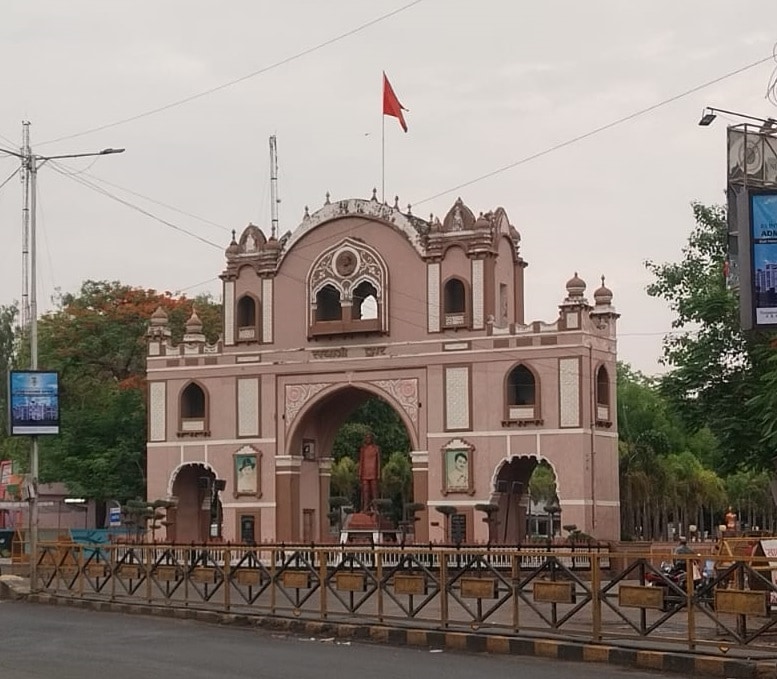
Devi Tulja Bhawani, Chamunda Mata, Kalika Mata
- Etymological Origin of the City Name 'Dewas'
- Sacred Site Linked To the Concept of 'Abode of Gods'
- Religious Pilgrimage Destination
- Image of Goddess Chamunda Carved Into Cave Wall
About Devi Vaishini Temple
The Devi Vaishini Temple is a significant religious site located on the Devi Vashini hill, commonly known as Tekri, in the city of Dewas, Madhya Pradesh, India. The very name of the city, Dewas, is believed to be derived from this sacred hill, stemming from the Marathi words 'Dev' (deity) and 'Vas' (abode), thus meaning 'abode of the gods'.
The Sacred Hill and its Deities
The temple complex is dedicated to several prominent Hindu goddesses, including Devi Tulja Bhawani, Chamunda Mata, and Kalika Mata. A notable feature of the temple is the image of Goddess Chamunda, which is not a separate idol but is intricately carved directly into the wall of a cave, referred to as Devi Vashini, signifying it as the goddess's dwelling place. This unique aspect contributes to the temple's spiritual importance and draws devotees seeking blessings.
Religious and Cultural Significance
The Devi Vaishini Temple is more than just a place of worship; it is intrinsically linked to the identity and history of Dewas. Its presence on the Tekri hill underscores the region's deep-rooted spiritual traditions. The temple serves as a focal point for religious activities and is considered an important pilgrimage destination for devotees of the goddesses, especially Goddess Chamunda and Goddess Tulja Bhawani. The hill offers a panoramic view and a serene environment for contemplation, further enhancing its appeal to visitors and pilgrims alike.
Source: Wikipedia ↗
Frequently Asked Questions
What deities are worshipped at the Devi Vaishini Temple?
The Devi Vaishini Temple is dedicated to multiple goddesses. The primary deities worshipped there are Devi Tulja Bhawani, Chamunda Mata, and Kalika Mata. The image of Goddess Chamunda is particularly notable as it is carved into the wall of a cave.
Where is the Devi Vaishini Temple located?
The Devi Vaishini Temple is situated on a hill in Dewas, Madhya Pradesh, India. This hill is known by the name Devi Vashini, and is more commonly referred to as Tekri. The city of Dewas itself is named after this sacred site.
What is the origin of the name Dewas?
The name Dewas is believed to be derived from the Devi Vashini hill, which is considered the abode of the gods. The word is thought to be a sandhi (combination) of the Marathi words 'Dev' (deity) and 'Vas' (abode), thus meaning 'abode of the gods'.
What is unique about the Chamunda Mata image at the temple?
The image of Goddess Chamunda at the Devi Vaishini Temple is unique because it is not a sculpted idol but is carved directly into the wall of a cave. This cave is known as Devi Vashini, meaning the goddess's residence.
Related Temples (Hindu)

Thiruchendur Murugan Temple
The Thiruchendur Murugan Temple, situated in the Thoothukudi district of Tamil Nadu, is a prominent Hindu temple dedicated to Lord Murugan. It is recognized as one of the Six Abodes of Murugan and holds significant mythological importance, recounting Murugan's victory over the asura Surapadman.

Kapila Theertham
Kapila Theertham is a Shaivite temple located at the foot of the Tirumala hills in Andhra Pradesh, India. The temple is dedicated to Lord Shiva, referred to as Kapileswara, and is believed to have been installed by Sage Kapila. It is situated at the entrance of a mountain cave, with a temple tank fed by a mountain stream, and holds significant religious importance for pilgrims.

Yaganti temple
The Sri Yaganti Uma Maheswara Temple, located in Andhra Pradesh, India, is a significant Hindu temple dedicated to Shiva. Constructed in the 15th century by the Vijayanagara Empire's Sangama Dynasty, it is known for its unique architectural features and popular beliefs surrounding a growing Nandi statue and the absence of crows.