
Chhatarpur Temple
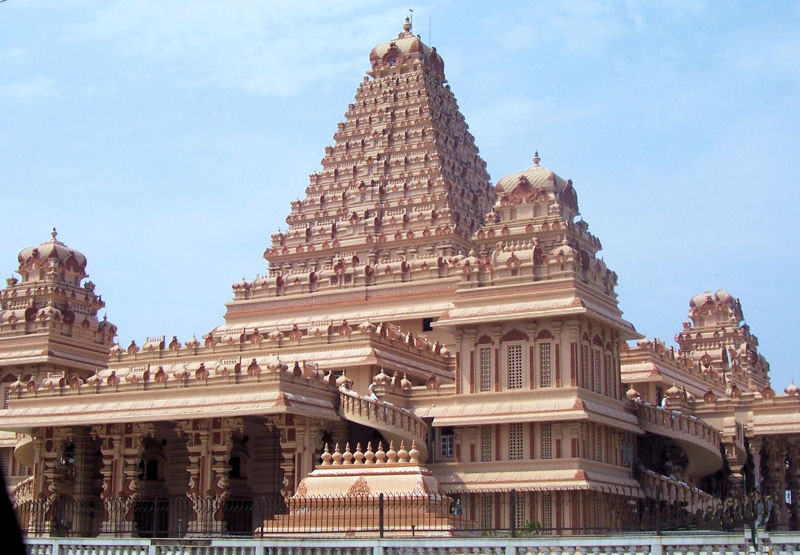
Shri Aadya Katyayani Shakti Peeth, commonly known as Chhatarpur Temple, is a prominent Hindu temple located on the southwestern outskirts of New Delhi. Dedicated to Goddess Katyayani, a form of Durga, the temple complex is spread over 28 hectares and is recognized as the second-largest temple in Delhi. It is noted for its marble construction, intricate jaali work, and a blend of North and South Indian architectural styles.
Key Facts
- ›Dedicated to Goddess Katyayani, a form of Durga.
- ›The temple complex spans 28 hectares (70 acres) and houses over 20 shrines.
- ›Established in 1974 by Baba Sant Nagpal ji.
- ›Features marble construction with extensive jaali (perforated stone) work.
- ›Incorporates both North and South Indian temple architectural styles.
- ›Located near the Northern Aravalli leopard wildlife corridor.
Katyayani, Durga, Shakti, Rama, Ganesha, Shiva, Radha Krishna
- Major Hindu Temple Dedicated To Goddess Katyayani.
- Second Largest Temple In Delhi.
- Architectural Blend of North and South Indian Styles.
- Located Near A Significant Wildlife Corridor.
Navratri
Marble
Baba Sant Nagpal Ji
- Silver Furniture In Living Room and Bedroom Shrines
About Chhatarpur Temple
Shri Aadya Katyayani Shakti Peeth (Chhatarpur Temple)
Shri Aadya Katyayani Shakti Peeth, more commonly known as Chhatarpur Temple, is a significant Hindu temple located in Chhatarpur, on the southwestern outskirts of New Delhi. Dedicated to Goddess Katyayani, a powerful form of the Hindu goddess Durga or Shakti, the temple is a major pilgrimage site and a prominent landmark in the region. Its establishment in 1974 by Baba Sant Nagpal ji marked the beginning of a spiritual center that has since grown to become the second-largest temple complex in Delhi.
Architectural Features and Complex Layout
The sprawling temple complex covers an extensive area of 28 hectares (70 acres) and houses over 20 individual shrines, divided into three distinct sections. The architecture of the temple is a notable blend, incorporating elements of both North and South Indian temple styles, and is classified within the Vesara architectural tradition. The primary construction material is marble, adorned with intricate jaali (perforated stone or latticed screen) work across its facets, contributing to its aesthetic appeal.
Religious Significance and Practices
The main deity, Goddess Katyayani, is one of the nine forms of Durga worshipped during the auspicious Navratri festival. A special shrine dedicated to her opens only during these bi-annual celebrations, drawing thousands of devotees seeking her blessings. The complex also features shrines dedicated to other deities, including Rama, Ganesha, Shiva, and Radha Krishna. Within the main temple area, devotees often tie holy threads to an old tree, a practice believed to fulfill wishes. The temple also includes a large satsang or prayer hall where religious discourses and devotional songs are held.
Historical and Environmental Context
Baba Sant Nagpal ji, the founder, passed away in 1998, and his samadhi shrine is located within the premises of the Shiv-Gauri Nageshwar Mandir, a part of the temple complex. The Chhatarpur Temple is situated within an important biodiversity area, adjacent to the Northern Aravalli leopard wildlife corridor. This location places it in proximity to several historical sites and natural landscapes, including ancient reservoirs and wildlife sanctuaries, highlighting its integration with the natural and historical heritage of the region.
Source: Wikipedia ↗
Frequently Asked Questions
Where is the Chhatarpur Temple located?
The Chhatarpur Temple, officially Shri Aadya Katyayani Shakti Peeth, is situated in Chhatarpur on the southwestern outskirts of New Delhi. It is part of a significant biodiversity area within the Northern Aravalli leopard wildlife corridor.
What is the main deity worshipped at Chhatarpur Temple?
The primary deity of the Chhatarpur Temple is Goddess Katyayani, who is a part of the Navadurga, the nine forms of the Hindu goddess Durga or Shakti. She is particularly revered during the Navratri celebrations.
When was the Chhatarpur Temple established and by whom?
The temple was established in 1974 by Baba Sant Nagpal ji. His samadhi shrine is located within the premises of the Shiv-Gauri Nageshwar Mandir inside the temple complex.
What is the architectural style of the Chhatarpur Temple?
The Chhatarpur Temple can be classified as having a Vesara style of architecture. The temples within the complex have been built in both South and North Indian styles, showcasing a blend of traditions.
How large is the Chhatarpur Temple complex?
The entire Chhatarpur Temple complex is spread over a substantial area of 28 hectares (70 acres). It contains over 20 small and large temples divided into three distinct complexes.
Are there any special timings for visiting the main shrine of Goddess Katyayani?
A side shrine within the main temple houses a shrine of Goddess Katyayani (Durga) that opens only during the bi-annual Navratri season. During this time, thousands of devotees visit the premises for darshan.
Related Temples (Hindu)

Ramappa Temple
The Ramappa Temple, also known as Rudreshwara Temple, is a 13th-century Hindu temple dedicated to Shiva, located in Telangana, India. Renowned for its Kakatiya-style architecture and intricate sculptures, it was designated a UNESCO World Heritage Site in 2021. The temple is celebrated for its unique construction techniques and artistic achievements, including its lightweight bricks and detailed carvings of dancers and mythical creatures.

Lakshmi Narasimha Temple, Bhadravati
The Lakshmi Narasimha Temple, located in Bhadravati, Karnataka, is a 13th-century Hindu temple constructed by the Hoysala ruler Vira Someshwara. Dedicated to Vishnu, it is distinguished by its Vesara architectural style and features three sanctums, with extensive artwork depicting deities and legends from various Hindu traditions, including Vaishnavism, Shaivism, and Shaktism.

EME Temple
The Dakshinamoorthy and Navgraha EME Temple in Vadodara, Gujarat, is a unique Hindu temple dedicated to Lord Shiva, built in 1966 by the Indian Army's EME School. Its distinctive geodesic dome design, inspired by Buckminster Fuller, incorporates architectural elements from major world religions, symbolizing secularism.