
Bhu Varaha Swamy temple
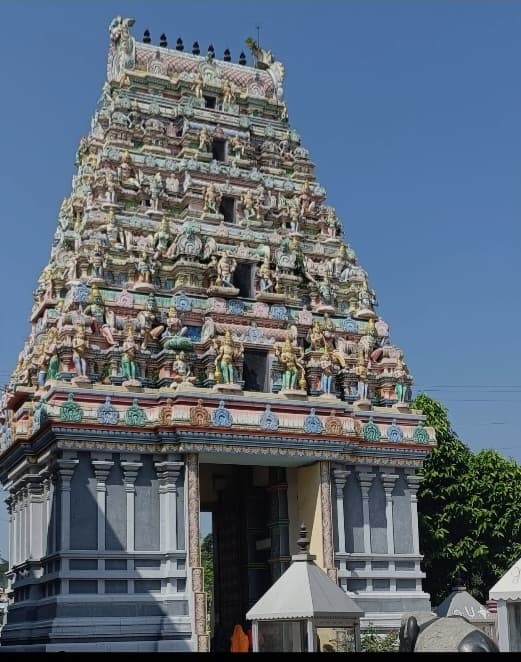
The Bhu Varaha Swamy temple in Srimushnam, Tamil Nadu, is a significant Hindu temple dedicated to Varaha, the boar avatar of Vishnu, and his consort Lakshmi. Constructed in the South Indian architectural style, it is recognized as one of the 108 Abhimana Kshethrams in Vaishnavism and holds historical importance with contributions from the Vijayanagara Empire and Thanjavur Nayak kings.
Key Facts
- ›Dedicated to Varaha (boar avatar of Vishnu) and Lakshmi.
- ›Constructed in the South Indian style of architecture.
- ›Recognized as one of the 108 Abhimana Kshethrams of Vaishnavate tradition.
- ›Expanded by Thanjavur Nayak King Achuthappa Nayak.
- ›Features a seven-tiered rajagopuram and a granite wall enclosing the complex.
- ›Celebrates a prominent Chariot festival symbolizing Hindu-Muslim unity.

Varaha, Lakshmi
- Religious Pilgrimage Site
- Architectural Importance
- Historical Patronage By Vijayanagara Empire and Nayak Kings
- Symbol of Hindu-Muslim Unity
- One of the 108 Abhimana Kshethrams
Vijayanagara Empire, Thanjavur Nayaks, Medieval Cholas
Chariot Festival, Brahmotsavam, Sri Jayanti Utsavam, Navaratri, Vijayadashami, Deepavali, Makara Sankranti
Granite, Panchaloha
Achuthappa Nayak, Vijayanagara Kings, Zamindars of Udayarpalayam, Virarajendra Chola, Kulothunga Chola I
- Images of Musicians and Dancers On Purushasuktha Mandapa Columns
- Lotus Medallion Sculptures and Scroll Work On Ceiling
- Life Size Image of King Achuthappa Nayak and His Brothers
- Statue of Hanuman Lifting Rama and Lakshmana
Nithya Pushkarani
About Bhu Varaha Swamy temple
The Bhu Varaha Swamy temple, located in Srimushnam, Tamil Nadu, is a significant Hindu temple dedicated to Varaha, the boar avatar of Vishnu, and his consort Lakshmi as Ambujavalli Thayar. It is classified as one of the 108 Abhimana Kshethrams within the Vaishnavate tradition, signifying its importance to devotees of Vishnu. The temple's architecture is characteristic of the South Indian style, featuring a prominent seven-tiered rajagopuram and enclosed by a granite wall.
Historical Context and Patronage
Historical inscriptions indicate the existence of the Varaha shrine by the medieval Cholas. The temple saw significant expansion and patronage from various dynasties. The Thanjavur Nayak king Achuthappa Nayak (1560–1614 CE) was a major contributor, responsible for building the sixteen-pillared Purushasuktha Mandapa, which is considered a masterpiece of Nayak art. Earlier inscriptions from the 11th century mention gifts by Virarajendra Chola and Kulothunga Chola I. Later inscriptions from the 14th century Vijayanagara kings, such as Virupaksha Raya II and Venkata II, also detail various gifts to the temple. The Zamindars of Udayarpalayam also contributed significantly, offering jewels and commissioning additional structures like the Udayarpalaya Mandapam.
Legend and Religious Significance
The temple is deeply associated with the legend of Varaha rescuing the Earth. According to tradition, the sweat of Varaha after defeating the asura king Hiranyaksha created the temple tank, Nithya Pushkarani. The central icon of Varaha faces south, as per the asura king's dying wish. The temple is considered one of the eight Sywayambu Kshetras, where the presiding deity is believed to have manifested spontaneously. It is a popular pilgrimage destination, particularly for childless couples seeking progeny and unmarried individuals seeking marriage.
Architectural Features
The temple complex is enclosed by a granite wall and features two gopurams. The western tower is seven-tiered and serves as the main entrance, while a five-tiered tower on the east is opened only during Vaikuntha Ekadashi. The Purushasuktha Mandapa is noted for its sculpted columns depicting musicians and dancers, and its ceiling adorned with lotus medallions and scroll work. The shrine of Ambujavalli Thayar, the consort of Bhu Varaha Swamy, is located in the second precinct.
Festivals and Syncretic Traditions
The temple observes six daily rituals and three major annual festivals. The Chariot festival, celebrated during the Tamil month of Vaikasi (April–May), is particularly significant as it symbolizes Hindu-Muslim unity. Muslims in the region provide the flag for the chariot and participate in the festivities, highlighting a tradition of mutual respect. This syncretic practice is also evident during the Masi Maham festival, where the temple procession halts at a Sufi saint's Dargah, and both communities exchange offerings. The temple is also one of the few where Muslims are permitted to worship up to the Ardha Mandapam.
Source: Wikipedia ↗
Frequently Asked Questions
What is the legend behind the Bhu Varaha Swamy temple?
The temple is associated with Vishnu appearing as Varaha to rescue the earth from the asura king Hiranyaksha. The sweat of Varaha after defeating the asura is believed to have created the temple tank, Nithya Pushkarani. The central icon is positioned to face south, towards the asura's direction as per his dying wish.
Who were the significant patrons of the Bhu Varaha Swamy temple?
The temple was built by the Thanjavur Nayak king Achuthappa Nayak, a vassal of the Vijayanagara Empire. The Vijayanagara kings of the 14th century, including Virupaksha Raya II and Venkata II, also made gifts to the temple. The Zamindars of Udayarpalayam contributed jewels and commissioned structures like the Udayarpalaya Mandapam.
What is architecturally notable about the Bhu Varaha Swamy temple?
The temple features two gopurams, with a prominent seven-tiered western tower. The sixteen-pillared Purushasuktha Mandapa, built by Achuthappa Nayak, is considered a masterpiece of Nayak art, with sculpted columns and ceiling work. The outer walls display decorations typical of Chola Art.
What are the main festivals celebrated at the Bhu Varaha Swamy temple?
Six daily rituals and three yearly festivals are observed. The most prominent is the Chariot festival during the Tamil month of Vaikasi (April–May), which symbolizes Hindu-Muslim unity. Other festivals include Brahmotsavams in Masi and Chittirai, Sri Jayanti Utsavam, Navaratri, Vijayadashami, Deepavali, and Makara Sankranti.
What is the religious significance of the Bhu Varaha Swamy temple?
It is considered one of the eight Swayambhu Kshetras of Vishnu, where the deity is believed to have manifested on its own. The temple is frequented by childless couples seeking children and unmarried individuals seeking marriage. It is also counted among the Abhimana Stalas, temples close to Vishnu's heart.
Are there any unique traditions or syncretic practices at this temple?
Yes, the temple is known for its symbolization of Hindu-Muslim unity, particularly during the Chariot festival where Muslims provide the chariot flag and accept offerings. A unique tradition involves a Sufi saint, Hazrath Syed Sha Rahmathulla Shuttari, and his descendants, with a history of land grants and mutual respect, leading to the temple procession halting at the Dargah.
Related Temples (Hindu)
Vishnudham Mandir
Vishnudham Mandir in Samas, Bihar, is a significant Hindu temple renowned for housing the second largest idol of Lord Vishnu globally. Discovered in 1992, the black granite idol is believed to date back to the Gupta or Pala period and is a focal point for devotees, with worship continuing in a partially constructed temple. The temple's construction was inspired by the Tirupati temple and aims to become a major tourist destination.

Ashtalakshmi Temple
The Ashtalakshmi Temple in Hyderabad, India, is a prominent Hindu temple dedicated to the eight forms of Goddess Lakshmi. Built in the South Indian architectural style, it showcases intricate carvings and houses idols of the Ashtalakshmi goddesses, each adorned with gold jewelry.

Srikalahasteeswara temple
The Srikalahasteeswara temple, located in Andhra Pradesh, India, is a significant Hindu temple dedicated to Shiva as Vayu Lingam. It is renowned as one of the Pancha Bhuta Sthalams and is considered the "Kailash of the South," attracting devotees for its unique Vayu Lingam and the Rahu-Ketu pooja.