
Baba Mohan Rama
Baba Mohan Ram is a Hindu deity revered as an avatar of Krishna, appearing in the Dvapara Yuga and embodying enchanting beauty and spiritual significance. He is known for his captivating allure, reminiscent of both Lord Krishna and Lord Rama, and serves as a beacon of spiritual guidance in the Kali Yuga. Adherents believe he grants blessings and fulfills wishes, with his presence associated with divine manifestations and miracles.
Key Facts
- ›Considered an avatar of Lord Krishna, appearing during the Dvapara Yuga.
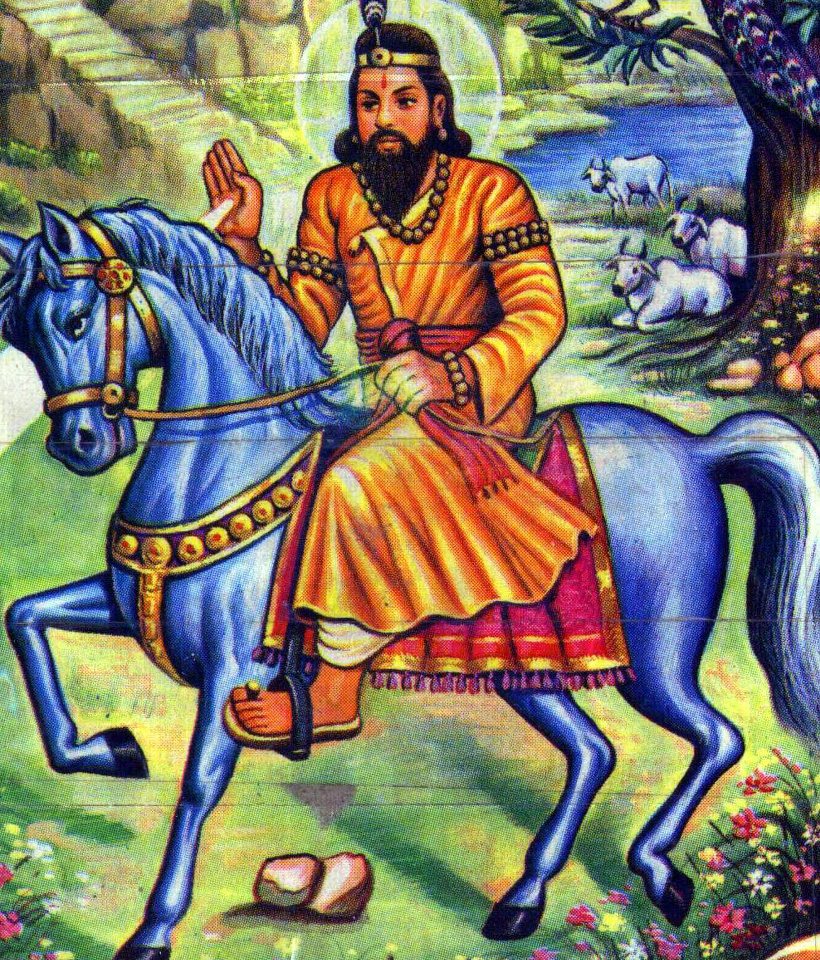
- ›Iconography includes a gold crown, peacock feather, and a blue horse representing Shesha.
- ›Associated with fulfilling the wishes of devotees through his divine grace.
- ›Legends describe his manifestations as a celestial child (Vamana) and a child with lions.
- ›His veneration is particularly strong around his cave in the Kali Kholi mountain, Bhiwadi.
- ›Devotees gather in large numbers during the Doj and Chemai Doj festivals.
Krishna, Mohan Ram
Avatar of Krishna, Spiritual Guidance In Kali Yuga, Fulfillment of Wishes, Divine Manifestations
Doj, Chemai Doj
Pandit Nandu, Pandit Kanha, Sekhu Mirasi
Kali Kholi Pond
About Baba Mohan Rama
Baba Mohan Ram
Baba Mohan Ram is a significant Hindu deity, revered by his adherents as an avatar of Lord Krishna who appeared during the Dvapara Yuga. He is celebrated for his captivating allure, often described as embodying the charm of Krishna and the moral virtues of Rama, making him a beacon of spiritual guidance in the current Kali Yuga.
Iconography and Manifestations
His divine form is characterized by a prominent gold crown, a peacock feather embellishing his locks, and a serene, moon-like visage. He is frequently depicted riding a majestic blue horse, symbolizing strength and spiritual transcendence, and is attired as a Brahmin with wooden slippers. Baba Mohan Ram is also known for manifesting in various forms to bless his devotees, including as the celestial child Vamana and as a child accompanied by lions.
Legends and Veneration
According to legend, Baba Mohan Ram manifested in the Milakpur hills to his devoted follower, Pandit Nandu, who was tending to his cows. Witnessing Nandu's unwavering faith, Krishna revealed himself, bestowing a boon that blessings sought in his name would be fulfilled for seven generations of Nandu's lineage. Another narrative describes Baba Mohan Ram appearing to Pandit Kanha, who suffered harsh treatment, consoling him and revealing valuable divine artifacts.
Sacred Site and Festivals
The primary site of veneration for Baba Mohan Ram is his cave in the mountain of Kali Kholi, located in Bhiwadi, where an eternal fire (akhand jyoti) burns continuously. Devotees gather in large numbers, particularly during the Doj and Chemai Doj festivals, to offer ghee to the jyoti and bhog to his dhuni, believing these acts will resolve their problems. The area surrounding the temple is said to be filled with miracles and divine energy, with all services rendered there benefiting the devotees.
Source: Wikipedia ↗
Frequently Asked Questions
Who is Baba Mohan Ram?
Baba Mohan Ram is a Hindu deity worshipped as an avatar of Lord Krishna. He is believed to have appeared during the Dvapara Yuga and is known for his enchanting beauty and spiritual significance, serving as a guide in the current Kali Yuga.
What are the key features of Baba Mohan Ram's iconography?
Baba Mohan Ram is typically depicted with a gold crown adorned with a peacock feather, symbolizing divine sovereignty. He is often shown riding a majestic blue horse, believed to be a manifestation of Shesha, and wears simple Brahmin attire with wooden slippers.
What is the significance of the blue horse associated with Baba Mohan Ram?
The blue horse on which Baba Mohan Ram is often portrayed is believed to embody the manifestation of Shesha, the divine serpent. This equine form signifies strength, agility, and spiritual transcendence for his devotees.
What are some notable legends associated with Baba Mohan Ram?
Legends recount Baba Mohan Ram appearing as Vamana to grant a boon to his devotee Pandit Nandu, and as a child accompanied by lions to Pandit Kanha. He also appeared as Shri Krishna in divine leelas with the gopis near the Kali Kholi pond.
Where is Baba Mohan Ram primarily venerated?
Baba Mohan Ram's primary place of veneration is his cave in the mountain of Kali Kholi, located in Bhiwadi. An eternal fire (akhand jyoti) is present there, and devotees gather in large numbers during specific festivals.
What are the significant festivals or events associated with Baba Mohan Ram?
Devotees come in large numbers to Baba Mohan Ram's cave during the Doj and the Chemai Doj (Six Month Festival). During these times, they offer ghee to the eternal fire and perform rituals.
What kind of blessings do devotees seek from Baba Mohan Ram?
Devotees seek blessings from Baba Mohan Ram to remove their problems and fulfill their wishes. Offerings of ghee to his akhand jyoti and bhog to his dhuni are believed to cure afflictions and bring divine favor.
Related Temples (Hindu)

Thiruchendur Murugan Temple
The Thiruchendur Murugan Temple, situated in the Thoothukudi district of Tamil Nadu, is a prominent Hindu temple dedicated to Lord Murugan. It is recognized as one of the Six Abodes of Murugan and holds significant mythological importance, recounting Murugan's victory over the asura Surapadman.

Kapila Theertham
Kapila Theertham is a Shaivite temple located at the foot of the Tirumala hills in Andhra Pradesh, India. The temple is dedicated to Lord Shiva, referred to as Kapileswara, and is believed to have been installed by Sage Kapila. It is situated at the entrance of a mountain cave, with a temple tank fed by a mountain stream, and holds significant religious importance for pilgrims.

Yaganti temple
The Sri Yaganti Uma Maheswara Temple, located in Andhra Pradesh, India, is a significant Hindu temple dedicated to Shiva. Constructed in the 15th century by the Vijayanagara Empire's Sangama Dynasty, it is known for its unique architectural features and popular beliefs surrounding a growing Nandi statue and the absence of crows.