
Yaroslav the Wise
Yaroslav the Wise was Grand Prince of Kiev from 1019 to 1054, uniting principalities and establishing laws. He is remembered for his patronage of literary culture, the construction of Saint Sophia Cathedral, and his efforts to defend his state against nomadic tribes. His reign saw Kievan Rus' flourish with strong foreign alliances and internal legal reforms.
Key Facts
- ›Yaroslav the Wise was Grand Prince of Kiev from 1019 until his death in 1054.
- ›He was also Prince of Novgorod from 1010 to 1034 and Prince of Rostov from 987 to 1010.
- ›His baptismal name was George, after Saint George.
- ›He sponsored the construction of Saint Sophia Cathedral in 1037.
- ›Yaroslav promulgated the first code of laws in the lands of the East Slavs, the Russkaya Pravda.
- ›He successfully defended his state against nomadic tribes such as the Pechenegs by constructing a line of forts.
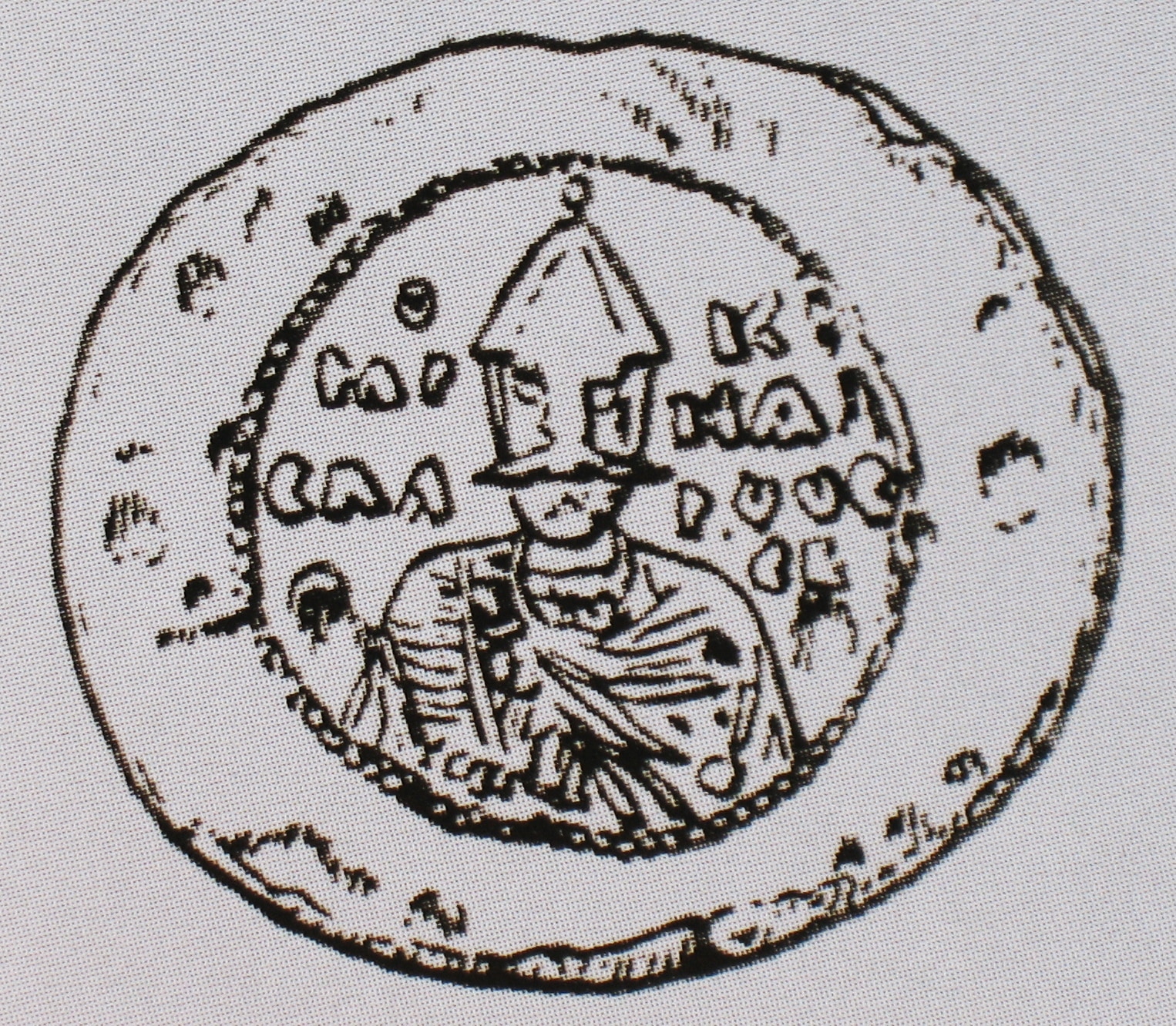
Yaroslav I Vladimirovich, Jarisleif the Lame, Saint Yaroslav the Wise, Blessed Knyaz Yaroslav the Wise
Law, Literature, Education
Saint George, Saint Sophia Cathedral, Saint Irene
About Yaroslav the Wise
Yaroslav I Vladimirovich, more commonly known as Yaroslav the Wise, was a pivotal ruler in the history of Kievan Rus', serving as Grand Prince of Kiev from 1019 until his death in 1054. His reign marked a period of significant legal, cultural, and political development. Earlier in his life, he also held the titles of Prince of Novgorod and Prince of Rostov, effectively uniting these principalities under his authority.
Rise to Power and Consolidation
Yaroslav's early life is not extensively documented, but he was a son of Vladimir the Great. Following his father's death in 1015, Yaroslav engaged in a protracted conflict for the Kievan throne against his half-brother Sviatopolk. He ultimately emerged victorious in 1019, securing his position and beginning his influential reign.
Governance and Legal Reforms
As Grand Prince, Yaroslav was a notable patron of literary culture and learning. He is credited with promulgating the first code of laws in the lands of the East Slavs, known as the Russkaya Pravda, which laid the groundwork for legal systems in the region. He also challenged Byzantine dominance by appointing a Slavic monk, Hilarion of Kiev, as the metropolitan bishop of Kiev, a move that significantly fostered local church autonomy and culture.
Foreign Policy and Defense
Yaroslav pursued a strong foreign policy, forging alliances with Scandinavian countries and working to diminish Byzantine influence. He successfully defended his realm against nomadic incursions, particularly from the Pechenegs, by constructing a strategic line of forts. His military actions also included capturing territories, such as the area around present-day Tartu, Estonia, where he established the fort of Yuryev.
Cultural and Architectural Achievements
One of Yaroslav's most enduring legacies is his sponsorship of architectural and cultural projects. The construction of the magnificent Saint Sophia Cathedral in Kiev, begun in 1037, stands as a prime example of his commitment to religious and artistic development. The cathedral served not only as a center of worship but also as a repository of knowledge and a symbol of Kievan Rus's growing prestige.
Family and Succession
Yaroslav married Ingegerd Olofsdotter in 1019, and their union produced numerous children who played significant roles in the political landscape of the time. His daughters married into prominent European royal families, including those of France and Hungary, further extending Kievan Rus's international connections. He encouraged his sons to maintain peace and unity among themselves, though succession struggles would later emerge.
Legacy
Following his death, Yaroslav's body was interred in a sarcophagus within Saint Sophia's Cathedral. The circumstances surrounding the preservation and eventual fate of his remains have been subject to historical debate and investigation. His legacy continues to be honored through numerous monuments, institutions, and place names across Ukraine, Russia, and Estonia, solidifying his reputation as one of the most important rulers in East Slavic history. He was later venerated as a saint by the Ukrainian and Russian Orthodox Churches.
Source: Wikipedia ↗
Frequently Asked Questions
When did Yaroslav the Wise rule as Grand Prince of Kiev?
Yaroslav the Wise ruled as Grand Prince of Kiev from 1019 until his death in 1054. He also served as Prince of Novgorod and Prince of Rostov earlier in his life.
What was Yaroslav the Wise known for?
Yaroslav the Wise is known for his extensive legal reforms, the promulgation of the Russkaya Pravda, and his patronage of literary culture. He also strengthened Kievan Rus' through foreign alliances and defense against nomadic tribes.
What significant buildings were constructed during Yaroslav the Wise's reign?
During Yaroslav the Wise's reign, the Saint Sophia Cathedral in Kiev was constructed in 1037, a major testament to his patronage of culture and religion. Monasteries of Saint George and Saint Irene were also built, named after his and his wife's patron saints.
How did Yaroslav the Wise influence foreign relations?
Yaroslav the Wise focused on foreign policy by forming alliances with Scandinavian countries and weakening Byzantine influence on Kiev. His children married into foreign royal families, further solidifying these international ties.
What is the origin of Yaroslav the Wise's name?
Yaroslav's baptismal name was George, given in honor of Saint George. He is better known by the epithet 'the Wise,' which he earned for his significant legal and cultural achievements.
What happened to Yaroslav the Wise's remains after his death?
Following his death, Yaroslav the Wise was entombed in a sarcophagus within Saint Sophia's Cathedral. Subsequent examinations revealed that his remains were lost or stolen, with the exact circumstances remaining unclear.
Related Saints
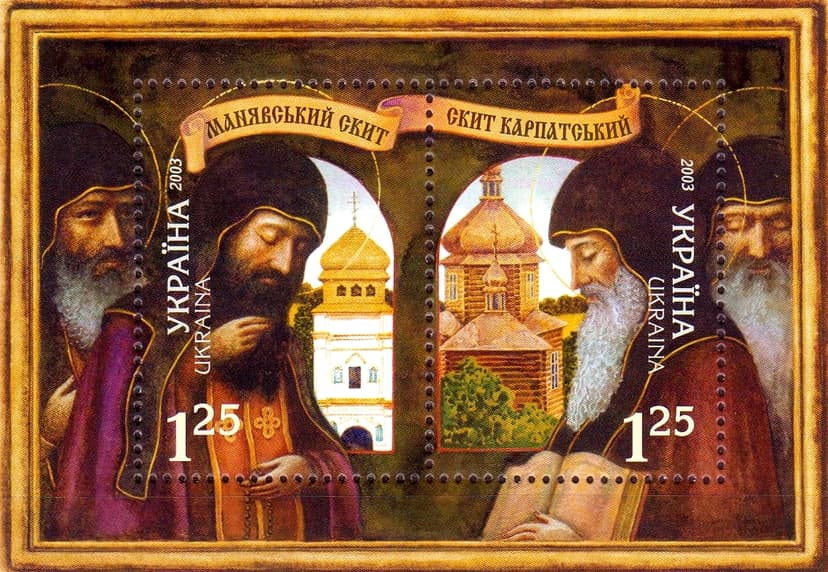
Theodosius of Manyava
Theodosius of Manyava was a Ukrainian Orthodox saint, ascetic, and the second hegumen of Manyava Skete, a monastery in the Carpathian Mountains. He is remembered for his strict ascetic practices, his role in establishing and leading the Manyava Skete community, and his spiritual authority which led to his community being designated as the head monastery over many others in western Ukraine and Moldavia.
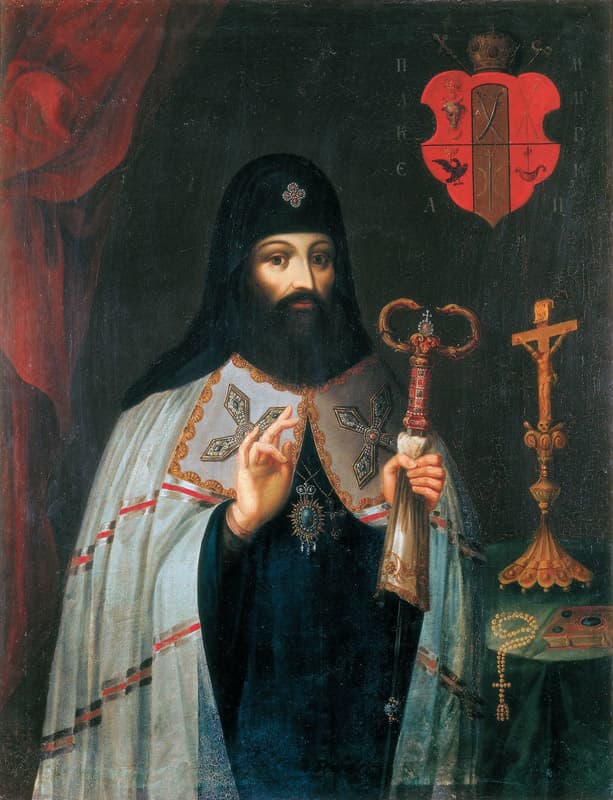
Peter Mogila
Petro Mohyla was the Metropolitan of Kiev, Galicia, and all Rus' in the Eastern Orthodox Church from 1633 to 1646, hailing from a prominent Romanian boyar family. He is remembered for his significant contributions to education and the preservation of Orthodox identity, most notably through the founding of the Kyiv Mohyla Academy and his role in standardizing Orthodox doctrine and ritual.
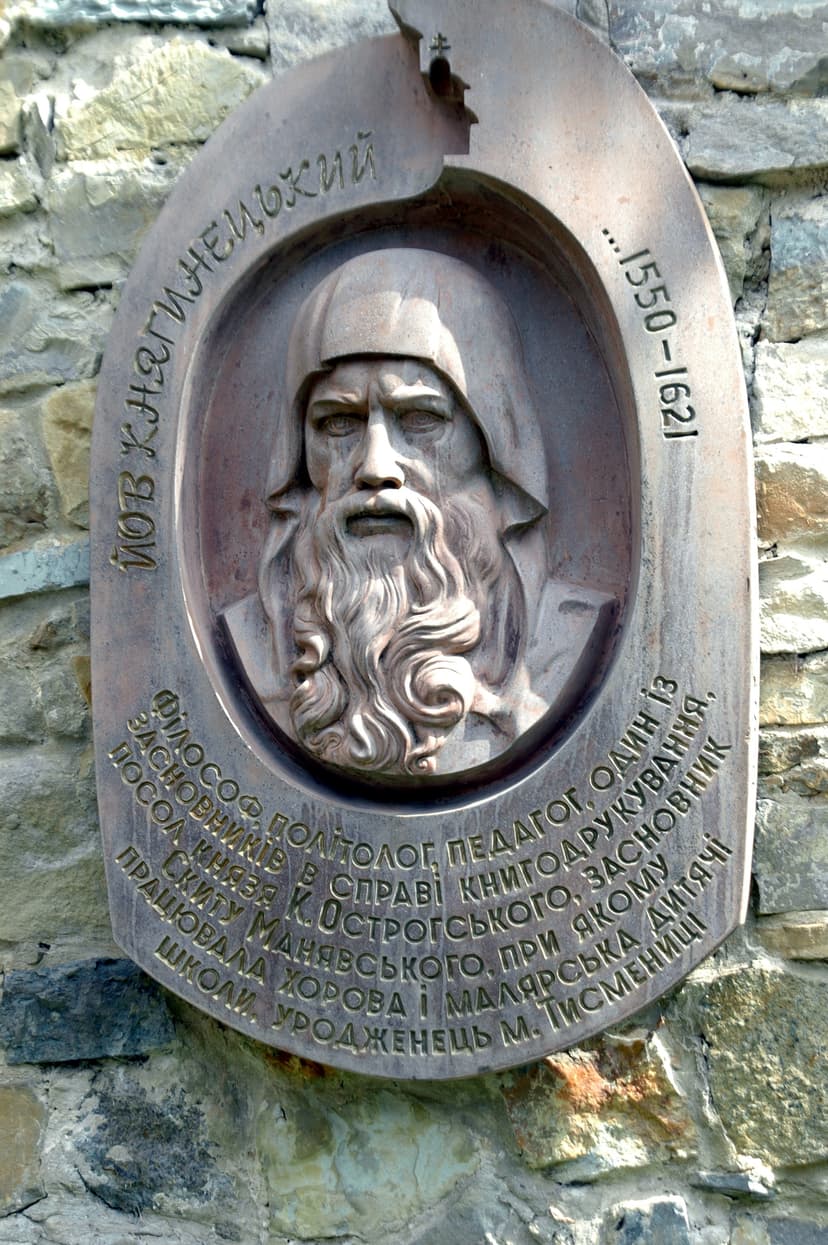
Job of Manyava
Job of Manyava, born Ivan Knyahynytskyi, was a Ukrainian Orthodox saint and clerical activist. He is primarily remembered as the founder of the Manyava Skete, a significant monastic cell monastery in Ukraine. His life was dedicated to spiritual ideals and the reorganization of Orthodox monasticism in his homeland.