
Peter Mogila
Petro Mohyla was the Metropolitan of Kiev, Galicia, and all Rus' in the Eastern Orthodox Church from 1633 to 1646, hailing from a prominent Romanian boyar family. He is remembered for his significant contributions to education and the preservation of Orthodox identity, most notably through the founding of the Kyiv Mohyla Academy and his role in standardizing Orthodox doctrine and ritual.
Key Facts
- ›Petro Mohyla was born in 1596 into the Romanian boyar House of Movilești, a family with royal connections.
- ›He became Metropolitan of Kiev, Galicia, and all Rus' in 1633, serving until 1646.
- ›Mohyla founded the Kyiv Mohyla Collegium in 1632, which evolved into the Kyiv Mohyla Academy, a crucial educational institution.
- ›He played a leading role in book printing for over 20 years, initiating the publication of texts in Ukrainian and contributing to the formulation of modern Ukrainian and Russian languages.
- ›His most important publication was the first Orthodox Catholic Catechesis worldwide (1640), which became a foundational document for Orthodox doctrine.
- ›Mohyla also initiated substantial restoration projects of key historical monuments, including the cathedral of Saint Sophia in Kyiv.
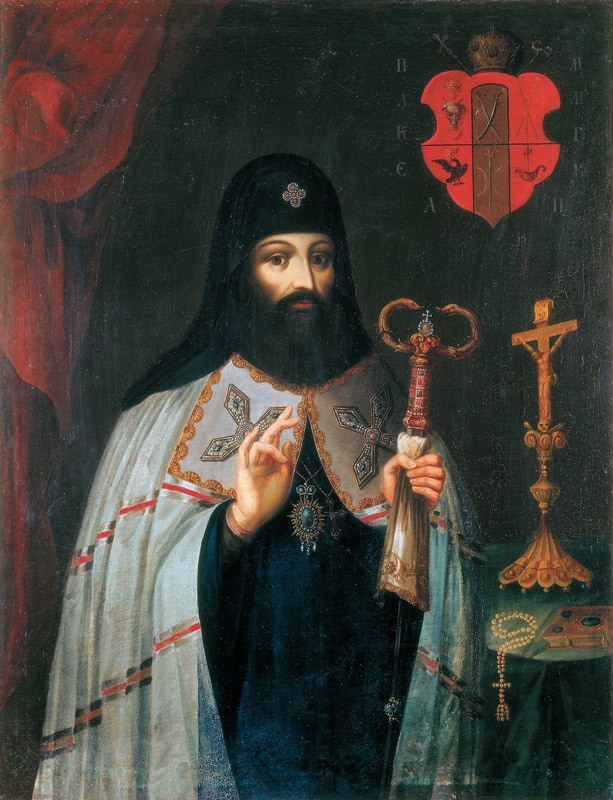
Peter Mogila
Coat of Arms
About Peter Mogila
Petro Mohyla
Petro Mohyla (1596–1647) was a pivotal figure in the history of the Eastern Orthodox Church, serving as the Metropolitan of Kiev, Galicia, and all Rus' from 1633 to 1646. Born into the influential Romanian boyar House of Movilești, Mohyla possessed royal lineage and significant connections throughout Eastern Europe.
Life and Historical Context
Mohyla's early life was shaped by political turmoil, including his family's refuge in the Ruthenian Voivodeship after his father's murder. He later settled in the Kyiv Pechersk Lavra, which served as a major center for Orthodox scholarship and national preservation. In a period of political instability and pressure from Polish and Lithuanian regimes, many nobles converted to Catholicism, making Mohyla's efforts to strengthen Orthodox identity and educational standards crucial.
Major Contributions
Mohyla's most enduring legacy lies in his educational reforms and his role in the revival of Orthodox learning. In 1632, he founded the Mohyla Collegium at the Kyiv Pechersk Lavra, which merged with the Kyiv Brotherhood school to become the renowned Kyiv Mohyla Academy. This institution offered instruction in a wide array of disciplines and languages, including Latin, which Mohyla championed as essential for scholarly engagement with Western Europe. He also significantly improved the Lavra's print shop, fostering the publication of Orthodox books in Old Church Slavonic and Latin, and was among the first to print in the Ukrainian language.
Mohyla was also instrumental in the promulgation of Orthodox doctrine and ritual. His Orthodox Catholic Catechesis (1640) became a foundational text for churches throughout the Orthodox world, and his Trebnyk or Euchologion (1646) systematized Ukrainian church rites. Beyond his theological and educational endeavors, Mohyla was a patron of historical preservation, initiating restorations of key monuments such as the cathedral of Saint Sophia in Kyiv.
Veneration and Legacy
Petro Mohyla is venerated as a saint in the Ukrainian, Russian, Romanian, and Polish Orthodox Churches, with his feast day on January 1. His work laid the foundation for a significant cultural epoch, known as the Mohyla period, characterized by extensive book publication and a drive for literacy among all social groups. The Kyiv Mohyla Academy continued to be the sole higher education establishment in the Orthodox world for nearly two centuries, producing graduates who propagated humanism and national self-determination.
Source: Wikipedia ↗
Frequently Asked Questions
Who was Petro Mohyla?
Petro Mohyla was a prominent figure in the Eastern Orthodox Church, serving as the Metropolitan of Kiev, Galicia, and all Rus' from 1633 to 1646. He was also a member of the influential Romanian boyar House of Movilești.
What is Petro Mohyla most known for?
He is primarily remembered for his foundational role in establishing the Kyiv Mohyla Collegium, which became the Kyiv Mohyla Academy, a leading educational institution in the Orthodox world. He also made significant contributions to Orthodox book printing and the standardization of religious doctrine.
What was the significance of the Kyiv Mohyla Academy?
Founded by Mohyla, the Kyiv Mohyla Academy was one of the first higher education establishments in the Orthodox world. It served as a vital center for scientific, educational, and cultural development, propagating ideas of humanism and national self-determination.
What role did Petro Mohyla play in Orthodox doctrine and publishing?
Mohyla initiated the publication of religious and scientific texts in various languages, including Ukrainian. His Orthodox Catholic Catechesis (1640) became a foundational document for Orthodox Church doctrine, and his Trebnyk or Euchologion (1646) systematized Ukrainian church rites and services.
When is Petro Mohyla's feast day?
Petro Mohyla is venerated as a saint in several Orthodox Churches, with his feast day celebrated on January 1. He is also commemorated on October 5 alongside other sainted Metropolitans of Kyiv.
Related Saints
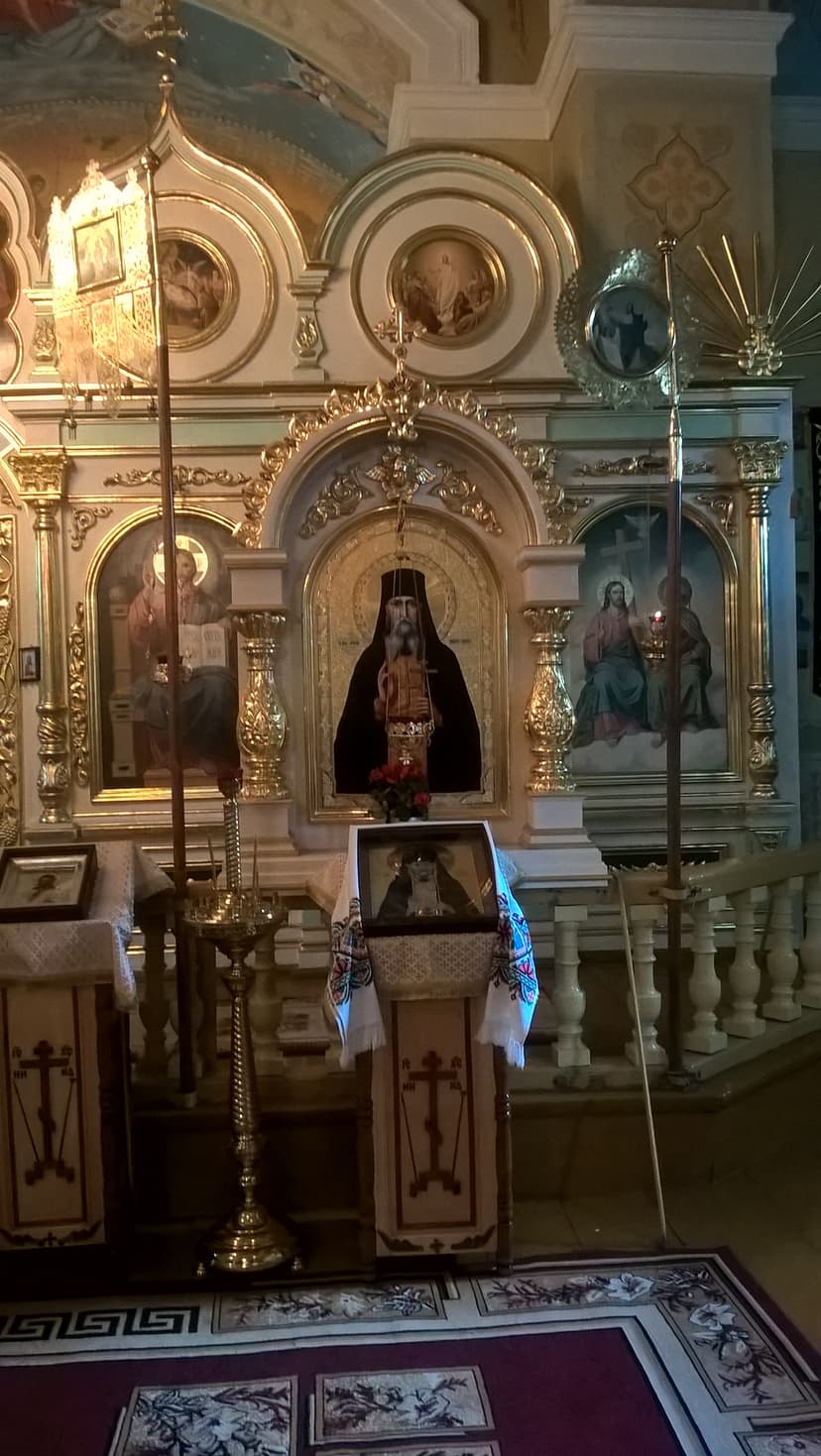
Leontius Stasievich
Leontius Stasievich was a clergyman of the Russian Orthodox Church, recognized during his lifetime as a starets with gifts of healing and prophecy. He is remembered as one of the New Martyrs and Confessors of the Russian Orthodox Church, having endured multiple imprisonments in labor camps under Soviet rule. He was posthumously canonized and is venerated for his spiritual guidance and miracles attributed to him.
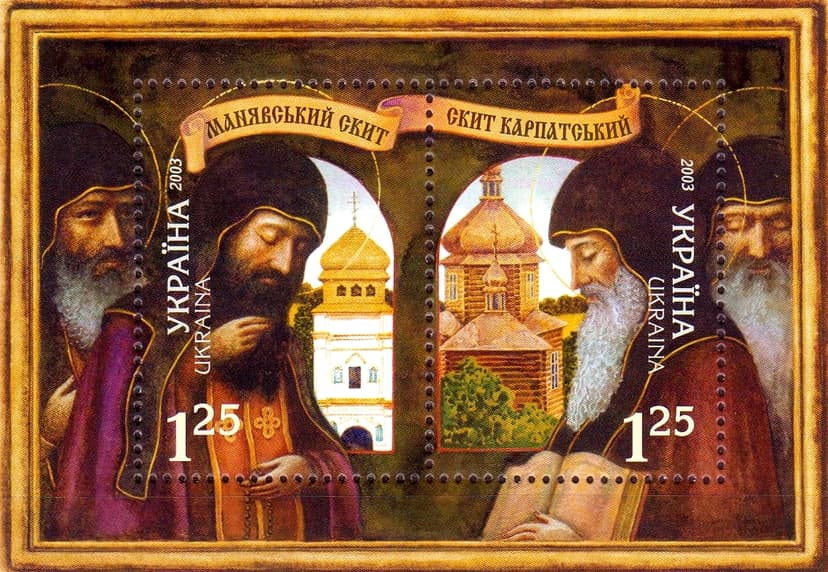
Theodosius of Manyava
Theodosius of Manyava was a Ukrainian Orthodox saint, ascetic, and the second hegumen of Manyava Skete, a monastery in the Carpathian Mountains. He is remembered for his strict ascetic practices, his role in establishing and leading the Manyava Skete community, and his spiritual authority which led to his community being designated as the head monastery over many others in western Ukraine and Moldavia.
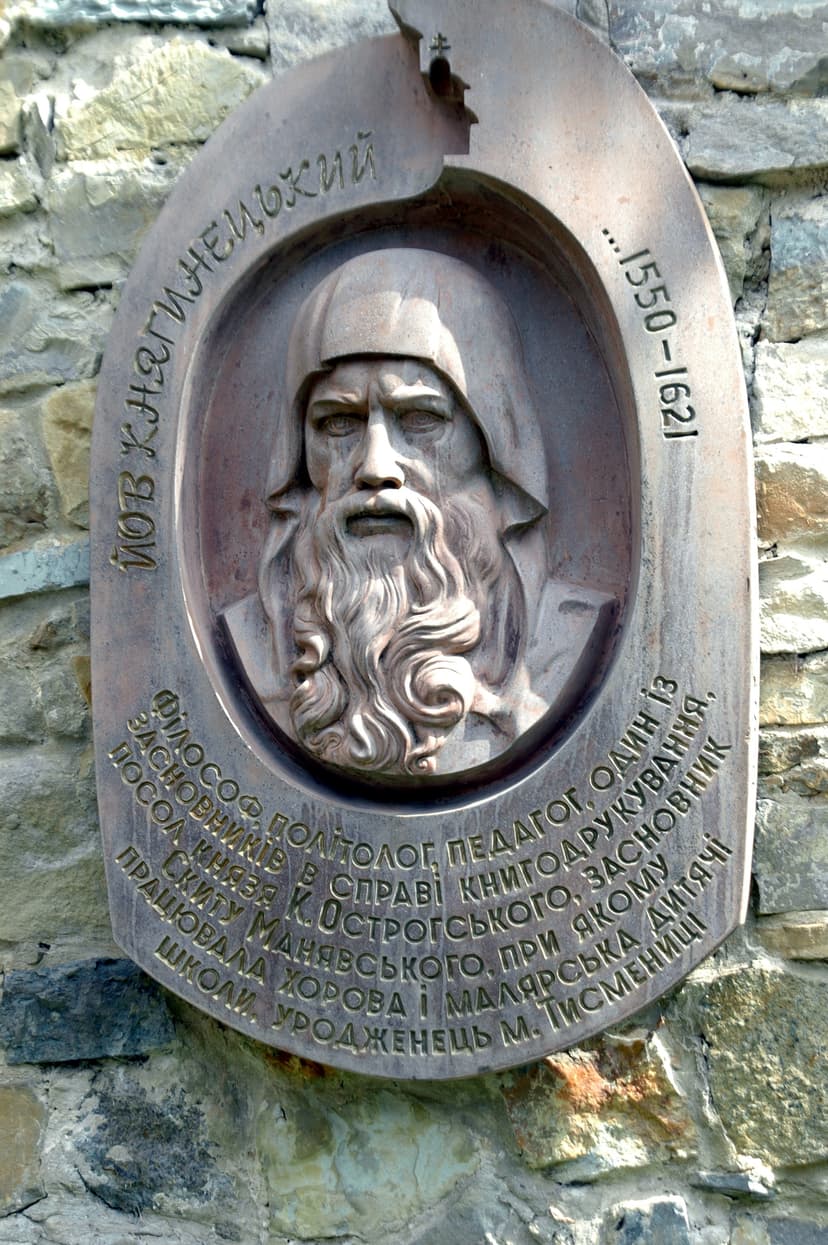
Job of Manyava
Job of Manyava, born Ivan Knyahynytskyi, was a Ukrainian Orthodox saint and clerical activist. He is primarily remembered as the founder of the Manyava Skete, a significant monastic cell monastery in Ukraine. His life was dedicated to spiritual ideals and the reorganization of Orthodox monasticism in his homeland.