
Victor I of Rome
July 28·2nd century·North Africa
Victor I was a Roman African prelate who served as the Bishop of Rome in the late second century. He is best known for his role in the Quartodeciman controversy, where he attempted to enforce a uniform date for Easter. He was later considered a saint and martyr.
Key Facts
- ›He was born in the Roman Province of Africa and was of Berber origin.
- ›His tenure as pope is uncertain, with sources suggesting dates between 186 and 193.
- ›He is credited with excommunicating Theodotus of Byzantium for his teachings.
- ›Victor is best known for his intolerant stance in the Quartodeciman controversy regarding the date of Easter.
- ›He severed ties with churches in Asia Minor that celebrated Easter on the 14th of Nisan.
- ›He is celebrated on July 28 as St Victor I, Pope and Martyr.
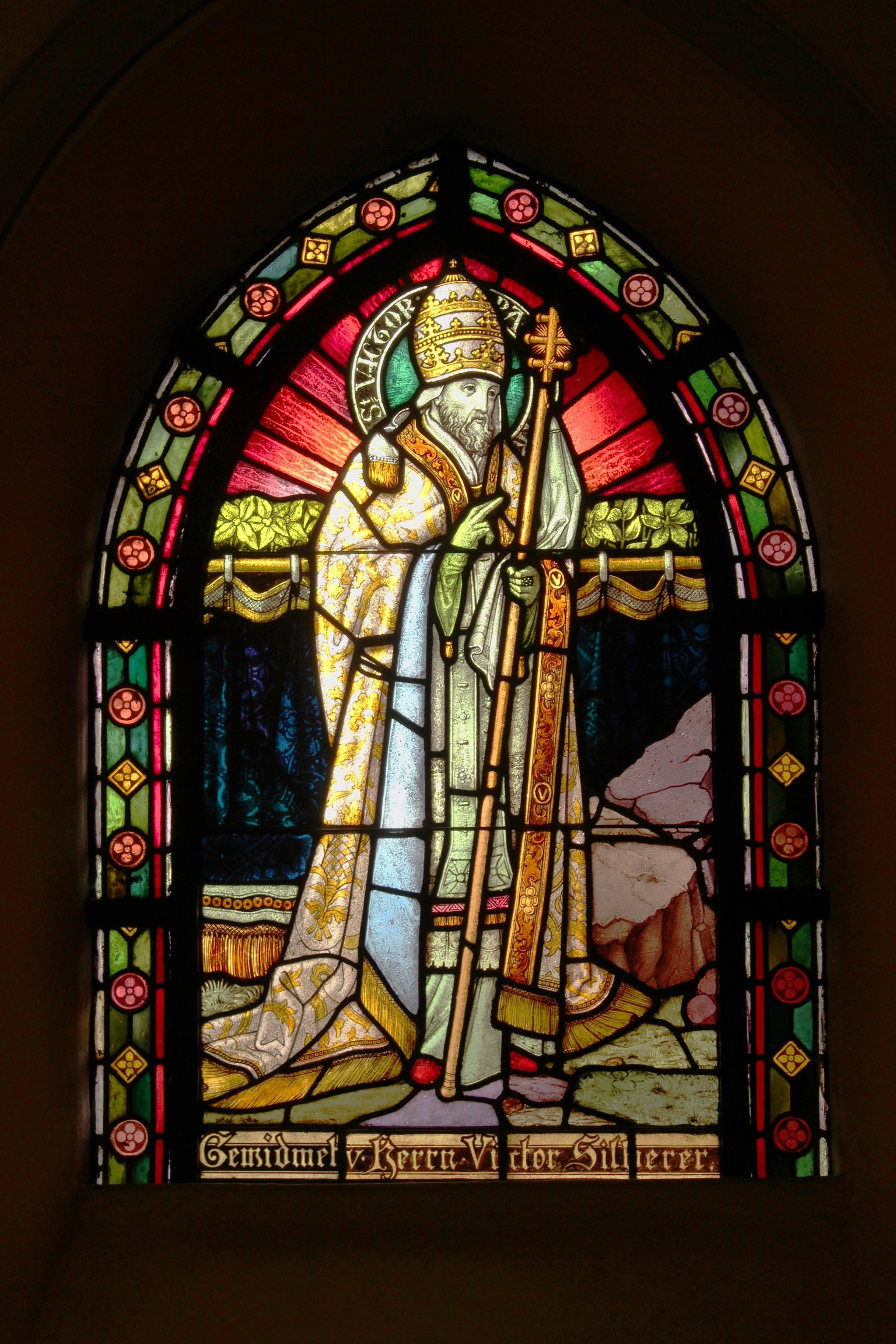
Victor of Rome
About Victor I of Rome
Victor I (died c. 199 AD) was a significant figure in the early Catholic Church, serving as the Bishop of Rome during the late second century. Born in the Roman Province of Africa, he is recognized for his assertive leadership and his role in shaping liturgical practices.
Life and Historical Context
The precise dates of Victor I's episcopate are debated among historians, with various sources placing his accession between 186 and 193 AD, and his death around 199 AD. He is noted as being of Berber origin. During his time as pope, the Christian Church was navigating various theological and practical issues as it grew and solidified its doctrines and traditions.
The Quartodeciman Controversy
Victor I is most famously known for his involvement in the Quartodeciman controversy, a dispute over the date for celebrating Easter. While churches in Asia Minor adhered to a tradition of celebrating Passover/Easter on the 14th day of the Jewish month of Nisan, regardless of the day of the week, Victor sought to enforce a uniform celebration on the Lord's Day. This led him to excommunicate the bishops of Asia Minor, a decision that was met with rebuke from other Church leaders, including Irenaeus of Lyons, who advocated for tolerance of the differing traditions.
Other Noteworthy Actions
Beyond the Easter controversy, Victor I is also credited with excommunicating Theodotus of Byzantium, who taught that Christ was merely a man. This action demonstrates Victor's commitment to what he perceived as orthodox Christian belief.
Legacy
Victor I is venerated as a saint and martyr, with his feast day celebrated on July 28. His actions in the Quartodeciman controversy highlight the developing authority of the Bishop of Rome and the increasing efforts to standardize Christian practices across diverse regions. While his methods were controversial, his efforts contributed to the eventual establishment of a unified date for Easter celebrations within the Church.
Source: Wikipedia ↗
Frequently Asked Questions
When did Victor I serve as Pope?
The exact dates of Victor I's papacy are uncertain, with historical sources offering varying accounts. However, it is generally believed that his tenure as Bishop of Rome occurred in the late second century, potentially beginning around 189 and ending in 199.
What is Victor I best known for?
Victor I is primarily remembered for his role in the Quartodeciman controversy. He insisted on a uniform date for the celebration of Easter throughout the Church, leading him to excommunicate the churches in Asia Minor that followed a different tradition.
What was the Quartodeciman controversy?
The Quartodeciman controversy concerned the dating of Easter. Churches in Asia Minor celebrated Easter on the 14th of Nisan, the day before Passover, following an apostolic tradition. Victor I demanded they celebrate it on the Lord's Day, a practice that eventually became standard.
What was Victor I's origin?
Victor I was a prelate of the Catholic Church who was born in the Roman Province of Africa. He is described as being of Berber origin.
Is Victor I considered a martyr?
Yes, Victor I is venerated as a martyr. His feast day is celebrated on July 28 as "St Victor I, Pope and Martyr."
Related Saints
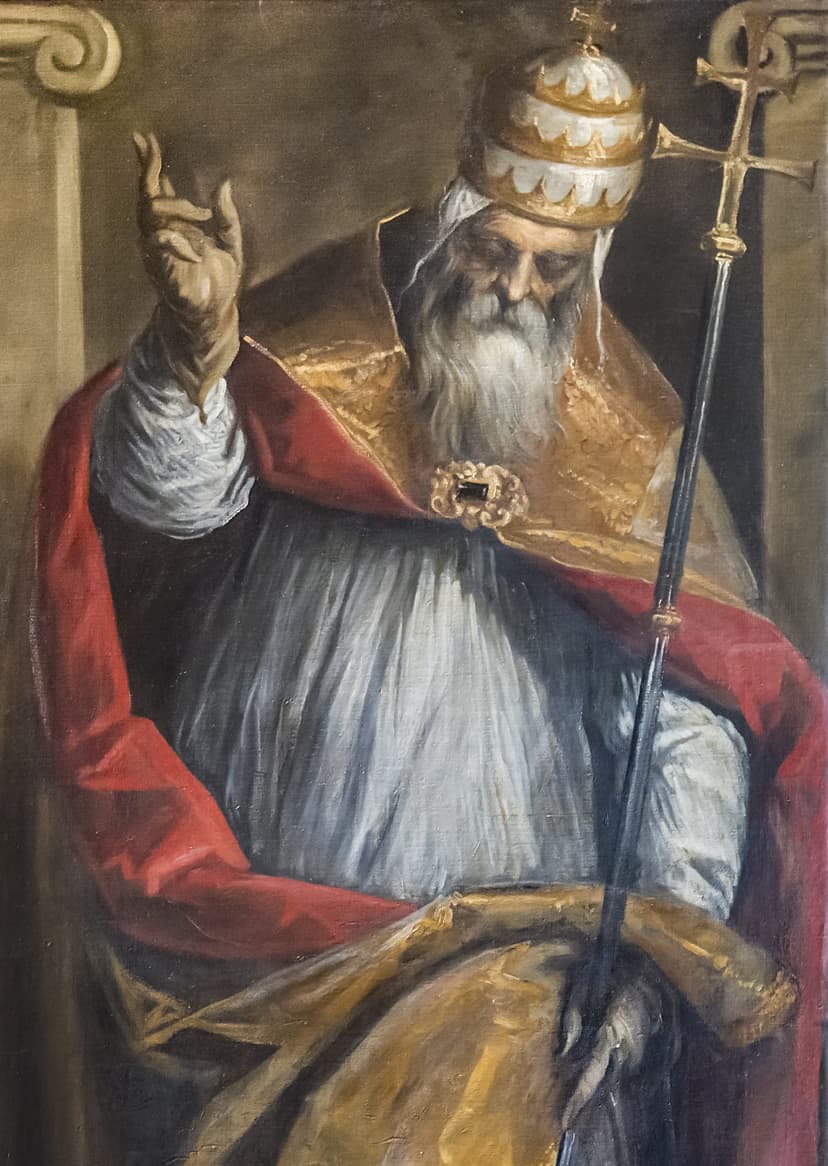
Anacletus
Pope Anacletus, also known as Cletus, served as the bishop of Rome following Peter and Linus. He is traditionally credited with ordaining priests and establishing around twenty-five parishes in Rome. Anacletus is believed to have died as a martyr around AD 92 and is remembered in the Roman Canon of the Mass.
Linus of Rome
Linus of Rome, generally regarded as the second bishop of Rome after Saint Peter, served from approximately 68 to 80 AD. He is mentioned in the New Testament's Second Epistle to Timothy as being with Paul the Apostle in Rome near the end of Paul's life. Historical accounts suggest he was entrusted with the office of the episcopate by the apostles Peter and Paul.
Onesiphorus
Onesiphorus was a Christian mentioned in the New Testament letter of Second Timothy. He is remembered for his courageous hospitality and kindness towards St. Paul when Paul was imprisoned in Rome, undertaking a significant journey to offer comfort. Both Orthodox and Roman Catholic traditions consider him a martyr.