
Anacletus
April 26·1st century·Italy
Pope Anacletus, also known as Cletus, served as the bishop of Rome following Peter and Linus. He is traditionally credited with ordaining priests and establishing around twenty-five parishes in Rome. Anacletus is believed to have died as a martyr around AD 92 and is remembered in the Roman Canon of the Mass.
Key Facts
- ›Anacletus served as bishop of Rome from approximately AD 80 to AD 92.
- ›He is traditionally credited with establishing about twenty-five parishes in Rome.
- ›Anacletus is believed to have died a martyr.
- ›His name is mentioned in the Roman Canon of the Mass.
- ›His feast day is celebrated on April 26.
- ›Historical records are inconsistent regarding the exact dates of his pontificate and the order of succession.
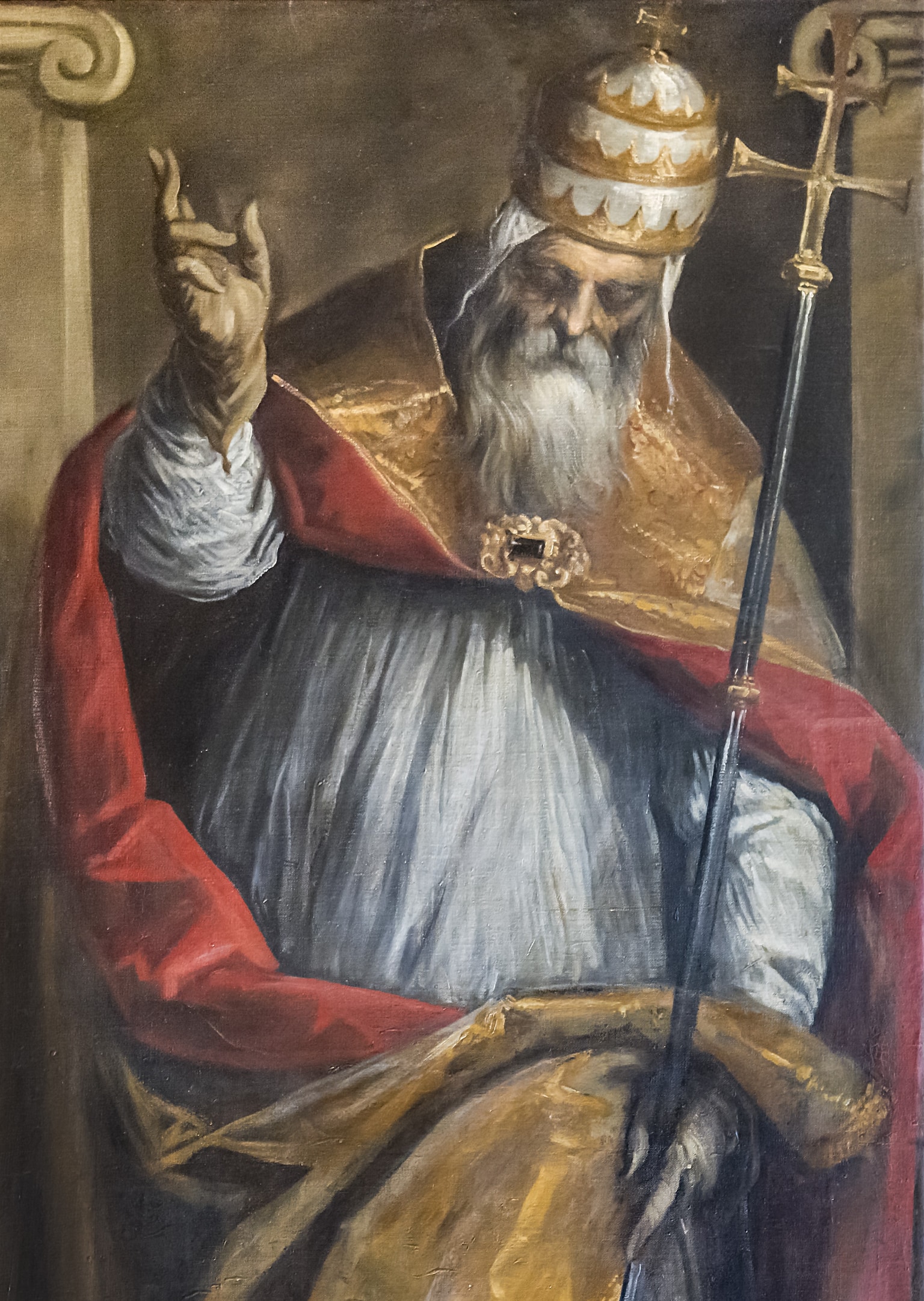
Cletus, Anencletus
About Anacletus
Pope Anacletus
Pope Anacletus, also known by the name Cletus, was an early bishop of Rome who served in the late 1st century AD. Historical accounts place his pontificate following that of Linus and preceding Clement. While precise dates for his tenure are uncertain, the Annuario Pontificio suggests he reigned from approximately AD 80 to AD 92. Anacletus is traditionally believed to have died as a martyr.
Life and Papacy
Little is definitively known about Anacletus' papacy, as is common for many early Roman bishops. Historical records can be inconsistent in their usage of the names Cletus, Anacletus, and Anencletus, and in their placement within the papal succession. Generally, the order followed today considers Cletus and Anacletus to be the same individual. During his time as pope, Anacletus is traditionally credited with ordaining a number of priests and establishing approximately twenty-five parishes within Rome, suggesting an early organization of the Christian community in the city.
Veneration and Legacy
Anacletus is remembered for his martyrdom, with his pontificate ending with his death around AD 92. A tomb ascribed to him is located in the Vatican Necropolis, near that of St. Peter, although epigraphic evidence for these early papal tombs is limited. His name, as Cletus, is included in the Roman Canon of the Mass, a significant liturgical prayer that attests to his enduring veneration. His feast day is observed on April 26. The name 'Cletus' derives from a Greek word meaning 'one who has been called,' while 'Anacletus' means 'one who has been called back.'
Source: Wikipedia ↗
Frequently Asked Questions
Who was Pope Anacletus?
Pope Anacletus, also known as Cletus, was the bishop of Rome who served after Peter and Linus. He is traditionally believed to have died as a martyr around AD 92.
What is Anacletus traditionally credited with?
Traditionally, Anacletus is credited with ordaining a number of priests and setting up approximately twenty-five parishes in Rome. This indicates an early effort to organize the Christian community in the city.
When is Pope Anacletus' feast day?
The feast day of Saint Cletus is celebrated on April 26. Originally, there was also a separate feast day for Saint Anacletus on July 13, but this was removed from the General Roman Calendar in 1960.
Why is Anacletus also known as Cletus?
The names Cletus and Anacletus are often used interchangeably and are believed to refer to the same individual. 'Cletus' means 'one who has been called,' and 'Anacletus' means 'one who has been called back.'
Is Anacletus considered a martyr?
Yes, Anacletus is traditionally believed to have died as a martyr, which ended his pontificate. His tomb is also ascribed near St. Peter's tomb in the Vatican Necropolis.
Related Saints
Linus of Rome
Linus of Rome, generally regarded as the second bishop of Rome after Saint Peter, served from approximately 68 to 80 AD. He is mentioned in the New Testament's Second Epistle to Timothy as being with Paul the Apostle in Rome near the end of Paul's life. Historical accounts suggest he was entrusted with the office of the episcopate by the apostles Peter and Paul.
Onesiphorus
Onesiphorus was a Christian mentioned in the New Testament letter of Second Timothy. He is remembered for his courageous hospitality and kindness towards St. Paul when Paul was imprisoned in Rome, undertaking a significant journey to offer comfort. Both Orthodox and Roman Catholic traditions consider him a martyr.
Victor I of Rome
Victor I was a Roman African prelate who served as the Bishop of Rome in the late second century. He is best known for his role in the Quartodeciman controversy, where he attempted to enforce a uniform date for Easter. He was later considered a saint and martyr.