
Linus of Rome
September 23·1st century·Italy
Linus of Rome, generally regarded as the second bishop of Rome after Saint Peter, served from approximately 68 to 80 AD. He is mentioned in the New Testament's Second Epistle to Timothy as being with Paul the Apostle in Rome near the end of Paul's life. Historical accounts suggest he was entrusted with the office of the episcopate by the apostles Peter and Paul.
Key Facts
- ›Linus is generally considered the second bishop of Rome, succeeding Saint Peter.
- ›He is mentioned in the Second Epistle to Timothy as being with Paul the Apostle in Rome.
- ›According to Irenaeus, Linus was entrusted with the office of the episcopate by the apostles Peter and Paul.
- ›His episcopate is dated by Eusebius and Jerome to between 68 and 80 AD.
- ›The Liber Pontificalis states he was an Italian born in Volterra, Tuscany, with a father named Herculanus.
- ›He is commemorated on September 23rd.
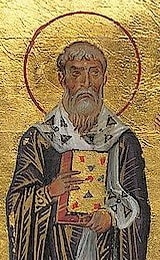
Linus
About Linus of Rome
Linus of Rome, also known simply as Linus, is widely recognized as the second bishop of Rome, following Saint Peter. His pontificate is generally placed between approximately 68 AD and his death in 80 AD. His significance lies in his early leadership of the nascent Christian community in Rome and his connection to the apostles.
Historical Context and Succession
Early Christian writers, including Irenaeus, Hegesippus, Jerome, and Eusebius, consistently list Linus as the successor to Peter in the episcopate of Rome. Irenaeus, writing around 180 AD, stated that the apostles Peter and Paul, after founding the Church in Rome, committed the office of the episcopate to Linus. While this placement might suggest he was the first pope, the convention of regarding Peter as the first pope began to take hold from the late 2nd or early 3rd century.
Jerome described Linus as "the first after Peter to be in charge of the Roman Church," a sentiment echoed by Eusebius, who noted him as "the first to receive the episcopate of the church at Rome, after the martyrdom of Paul and Peter." The Liber Pontificalis further elaborates, listing Linus as the second bishop of Rome and suggesting Peter consecrated him and Anacletus for priestly service while dedicating himself to prayer and preaching.
Life and Ministry
According to the Liber Pontificalis, Linus was Italian, born in Volterra in Tuscany, the son of Herculanus. The Apostolic Constitutions mention his mother Claudia, though the Bible's Second Epistle to Timothy, where Linus is named alongside Claudia, does not explicitly link them as mother and son. The same source attributes a decree to Linus that women should cover their heads in church and that he created the first 15 bishops.
Scholarly consensus questions the authenticity of these specific decrees. J.P. Kirsch, in the Catholic Encyclopedia, suggests the decree about women's head coverings was likely apocryphal, copied from Paul's First Epistle to the Corinthians and arbitrarily attributed to Linus. Similarly, the assertion that Linus suffered martyrdom, also found in the Liber Pontificalis, is considered improbable by some historians, as there is no clear record of persecution of the Roman Church during his tenure. The Roman Martyrology does not categorize him as a martyr.
Legacy
Linus is commemorated liturgically on September 23rd. His name is prominently included in the Roman Canon of the Mass, underscoring his enduring veneration within the Catholic Church. A tomb discovered in Saint Peter's Basilica bearing the inscription "LINVS" was once thought to be his, but later analysis suggested it might be the end of a longer name. The Liber Pontificalis claims his burial site is on the Vatican Hill, adjacent to Saint Peter.
The city of Saint-Lin–Laurentides in Canada is named in his honor. While direct historical details about his life are scarce and often intertwined with hagiography, Linus holds a foundational place in the succession of the See of Rome.
Source: Wikipedia ↗
Frequently Asked Questions
Who was Linus of Rome?
Linus of Rome is generally recognized as the second bishop of Rome, serving after Saint Peter. He is believed to have held the office from around 68 AD until his death in 80 AD. Historical accounts indicate he was appointed by the apostles Peter and Paul.
Is Linus mentioned in the Bible?
Yes, Linus is mentioned in the New Testament, specifically in the valediction of the Second Epistle to Timothy. He is noted as being with Paul the Apostle in Rome near the end of Paul's life. Irenaeus identified this biblical Linus with the bishop of Rome.
When did Linus serve as Bishop of Rome?
The exact dates of Linus' episcopate are subject to scholarly debate. Eusebius and Jerome place his time as bishop between 68 and 80 AD. Other sources, such as the Liberian Catalogue and the Liber Pontificalis, offer earlier dates, ranging from 56 to 67 AD.
What is known about Linus' life and origin?
According to the Liber Pontificalis, Linus was born in Volterra, Tuscany, Italy, and his father's name was Herculanus. The Apostolic Constitutions suggest his mother was Claudia, though this is not explicitly stated in the biblical text where Claudia is mentioned alongside Linus.
Was Linus a martyr?
The Liber Pontificalis states that Linus died a martyr, and he is commemorated on September 23rd. However, the Catholic Encyclopedia notes that this statement cannot be definitively proven and is considered improbable by some scholars, as there is no mention of persecution of the Roman Church between Nero and Domitian.
Where is Linus buried?
The Liber Pontificalis asserts that Linus was buried on the Vatican Hill, adjacent to Peter the Apostle. This location is now known as the Vatican Necropolis, situated beneath Saint Peter's Basilica in Vatican City.
Related Saints
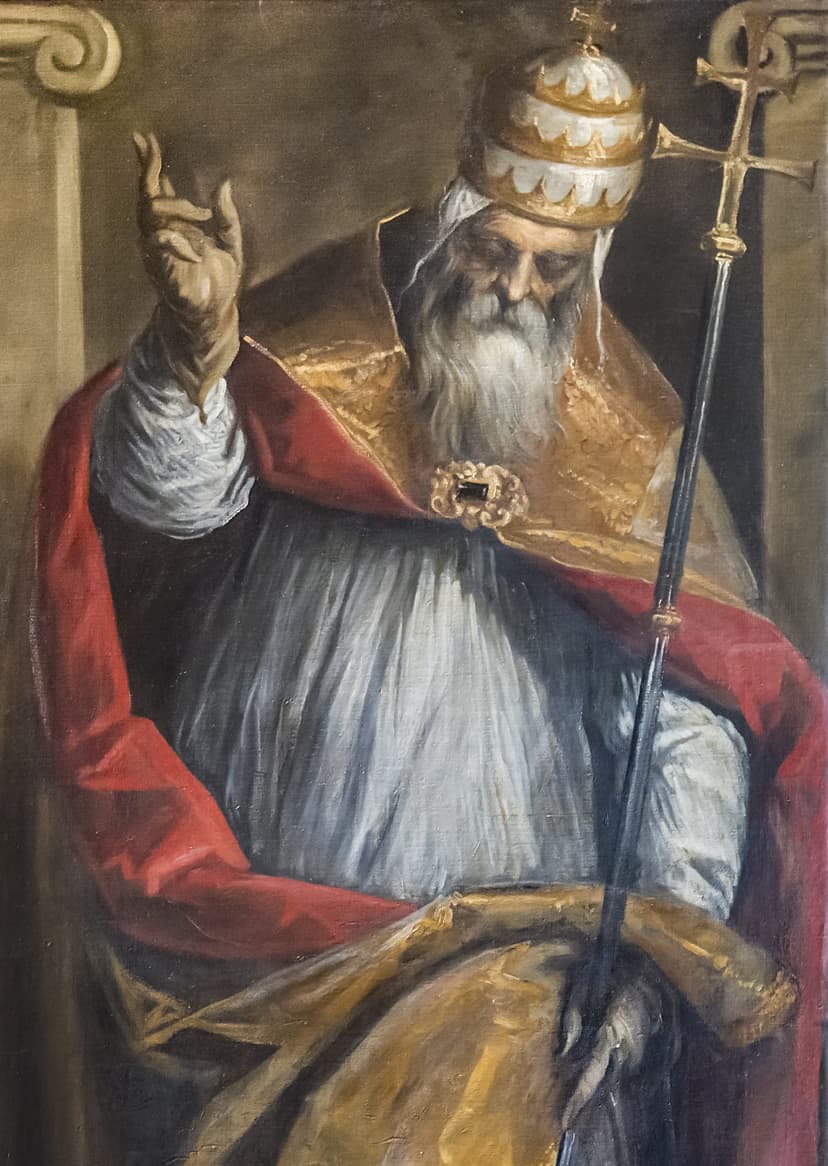
Anacletus
Pope Anacletus, also known as Cletus, served as the bishop of Rome following Peter and Linus. He is traditionally credited with ordaining priests and establishing around twenty-five parishes in Rome. Anacletus is believed to have died as a martyr around AD 92 and is remembered in the Roman Canon of the Mass.
Onesiphorus
Onesiphorus was a Christian mentioned in the New Testament letter of Second Timothy. He is remembered for his courageous hospitality and kindness towards St. Paul when Paul was imprisoned in Rome, undertaking a significant journey to offer comfort. Both Orthodox and Roman Catholic traditions consider him a martyr.
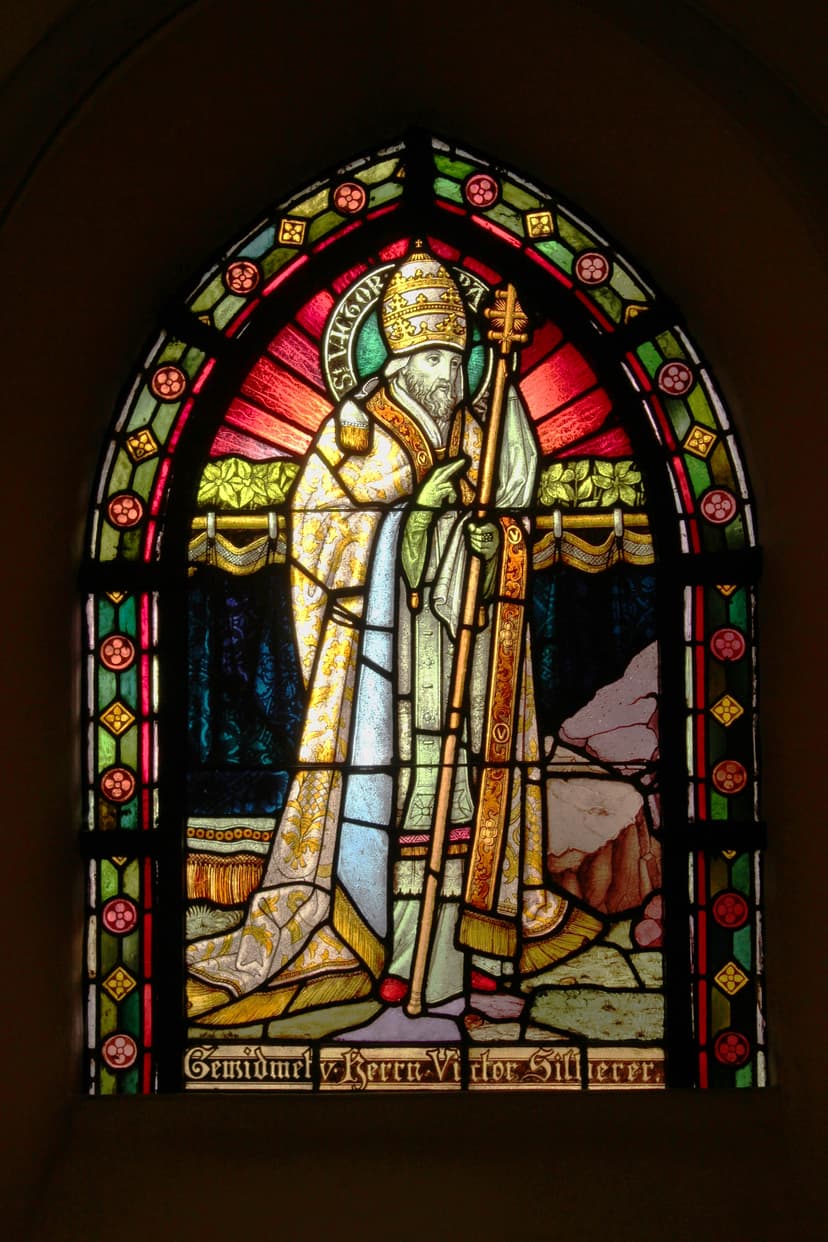
Victor I of Rome
Victor I was a Roman African prelate who served as the Bishop of Rome in the late second century. He is best known for his role in the Quartodeciman controversy, where he attempted to enforce a uniform date for Easter. He was later considered a saint and martyr.