
Tikhon of Moscow
April 7·20th century·Russia
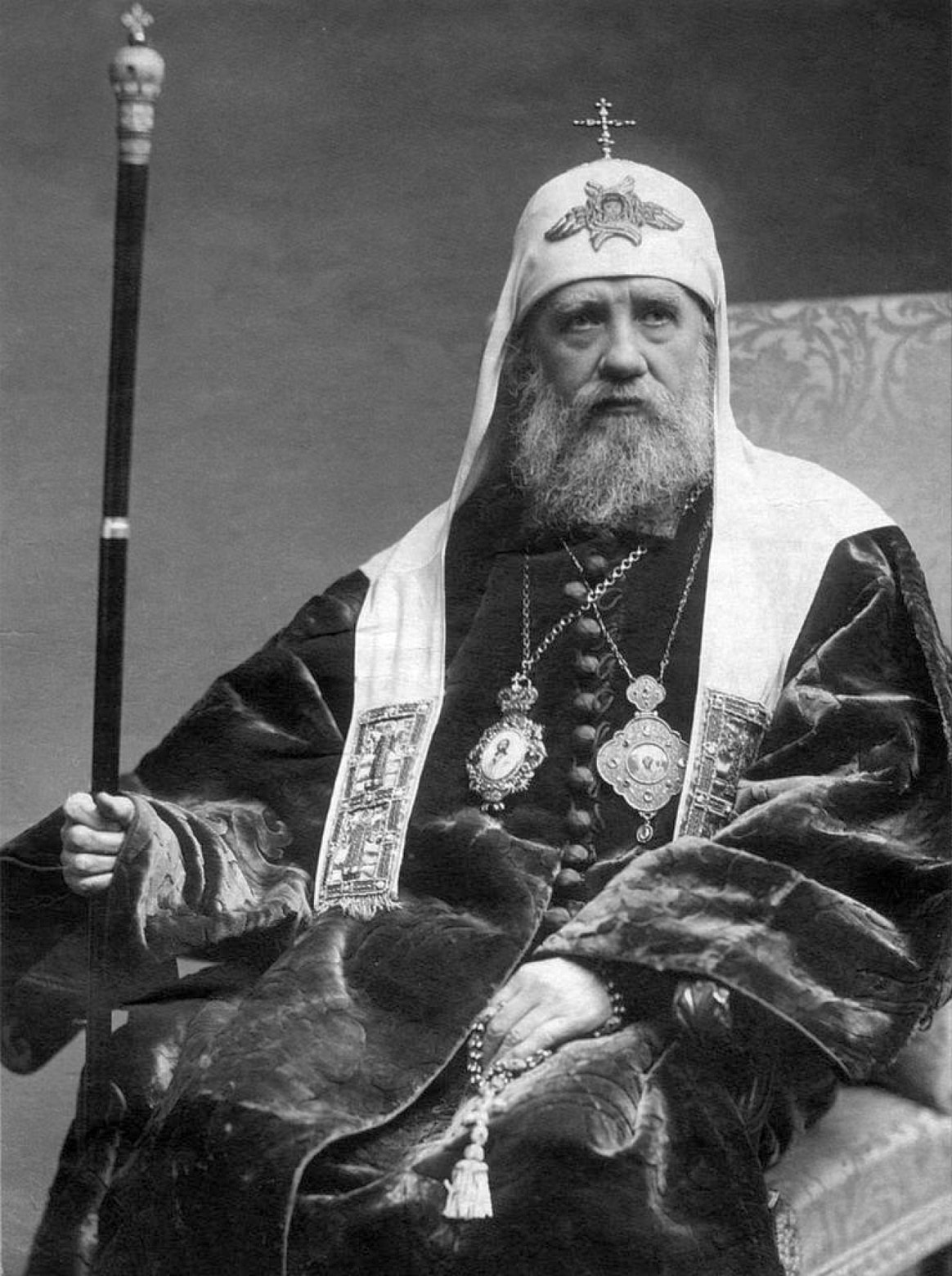
Tikhon of Moscow, born Vasily Ivanovich Bellavin, was the 11th Patriarch of Moscow and All Russia, restoring the position after 200 years of Synodal rule. He is remembered for his leadership during a tumultuous period of the Russian Revolution and subsequent Soviet persecution of the Church, and was canonized as a confessor.
Key Facts
- ›He was born Vasily Ivanovich Bellavin and later took monastic vows as Tikhon.
- ›He served as Bishop of the Aleutian Islands and Alaska and reorganized the diocese to include North America.
- ›Tikhon was instrumental in the restoration of the Patriarchate in the Russian Orthodox Church in 1917.
- ›He openly condemned Bolshevik actions against the Church and the murder of the Tsar's family.
- ›He was canonized a saint by the Russian Orthodox Church Outside Russia in 1981 and by the Moscow Patriarchate in 1989.
- ›His relics were discovered to be almost entirely incorrupt in 1992.
Vasily Ivanovich Bellavin
Orthodox Western Rite
Staff
About Tikhon of Moscow
Tikhon of Moscow, born Vasily Ivanovich Bellavin, was a pivotal figure in the history of the Russian Orthodox Church, serving as its 11th Patriarch from 1917 until his death in 1925. His tenure marked the restoration of the Patriarchate after a period of roughly two centuries under Synodal administration, a significant event that occurred amidst the profound social and political upheaval of the Russian Revolution.
Life and Ministry
Born in 1865, Bellavin received his theological education at the Pskov Theological Seminary and the Saint Petersburg Theological Academy. After taking monastic vows in 1891 and adopting the name Tikhon, he embarked on a distinguished episcopal career. He was consecrated Bishop of Lublin in 1897 and subsequently appointed Bishop of the Aleutian Islands and Alaska in 1898. During his time in North America, he became a naturalized American citizen and played a crucial role in organizing the Russian Orthodox Church's presence across the continent, renaming the diocese "Diocese of the Aleutian Islands and North America" in 1900. He oversaw the construction of churches, including St. Nicholas Cathedral in New York City, and engaged with diverse immigrant communities. His service in America also coincided with the influx of Byzantine Catholics into the Eastern Orthodox fold.
Upon his return to Russia in 1907, Tikhon held sees in Yaroslavl and later Vilno. The turmoil of World War I and the Russian Revolution led to his election as the ruling bishop of Moscow in 1917, and he was elevated to Metropolitan.
Patriarchate and Persecution
In November 1917, Tikhon was elected Patriarch of Moscow and All Russia by the Local Council of the ROC. His patriarchate was defined by intense persecution from the new Bolshevik regime. He openly condemned the murder of the Tsar's family and protested against the government's attacks on the Church. In 1920, he granted autonomy to dioceses cut off from central governance. During a severe famine in 1922, the Communist government confiscated church property, accusing Tikhon of sabotage, and he was held under house arrest. Despite pressure and attempts by a Soviet-sponsored council to depose him, Tikhon retained the trust of the Orthodox faithful.
Death and Canonization
Tikhon of Moscow died on April 7, 1925, during a period of illness. From the time of his death, he was widely regarded as a martyr or confessor for the faith. He was canonized by the Russian Orthodox Church Outside Russia in 1981 and by the Moscow Patriarchate in 1989. His relics, discovered to be nearly incorrupt in 1992, are venerated at the Donskoy Monastery in Moscow. He is recognized as the patron saint of the Orthodox Western Rite.
Source: Wikipedia ↗
Frequently Asked Questions
When was Tikhon of Moscow born and when did he die?
Tikhon of Moscow was born on January 31, 1865, and died on April 7, 1925. His birth year is recorded as 1865 and his death year as 1925.
What was Tikhon of Moscow's role in the Russian Orthodox Church?
Tikhon of Moscow was a bishop who was selected as the 11th Patriarch of Moscow and All Russia in 1917, restoring the position after a 200-year period of Synodal rule. He led the Church through the tumultuous years of the Russian Revolution and early Soviet era.
What is Tikhon of Moscow remembered for?
He is remembered for his leadership during the persecution of the Church by the Bolsheviks, for his condemnation of violence against the Church, and for his missionary work in North America. He is venerated as a confessor for his steadfastness in faith.
Was Tikhon of Moscow canonized?
Yes, Tikhon of Moscow was canonized as a saint. He was glorified by the Russian Orthodox Church Outside Russia in 1981 and by the Moscow Patriarchate in 1989.
What happened to Tikhon of Moscow during the Soviet era?
During the Soviet era, Tikhon faced significant persecution. He openly condemned the violence of the Bolsheviks, was placed under house arrest, and his public protests against the nationalization of Church property were reframed as criminal acts by the authorities.
Where are the relics of Tikhon of Moscow located?
The relics of Tikhon of Moscow were discovered to be almost entirely incorrupt in 1992 and are now kept in a reliquary in the Donskoy Monastery in Moscow. They were solemnly transferred to the main church of the monastery in a place of honor.
Related Saints
Innocent of Alaska
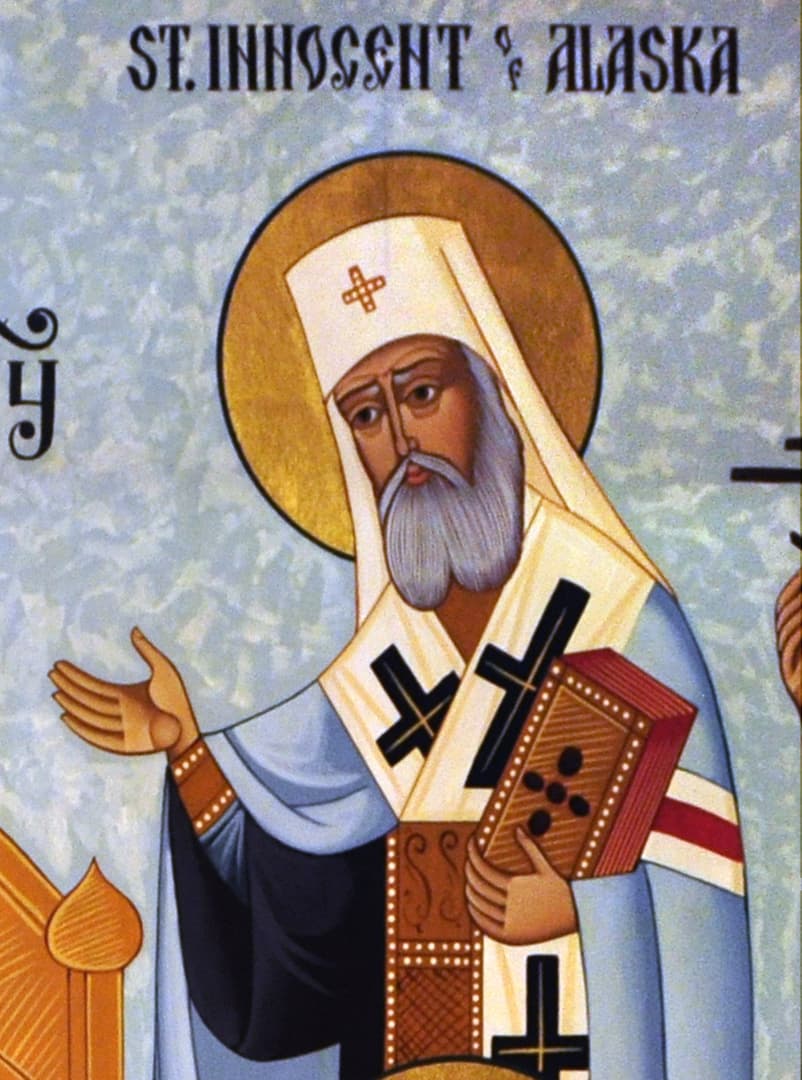
Innocent of Alaska was a Russian Orthodox missionary priest who became the first Orthodox bishop and archbishop in the Americas, and later the Metropolitan of Moscow. He is primarily remembered for his extensive missionary work, scholarship, and administrative leadership in Alaska and the Russian Far East during the 19th century, particularly for his linguistic abilities and efforts to translate religious texts into indigenous languages.
Raphael of Brooklyn
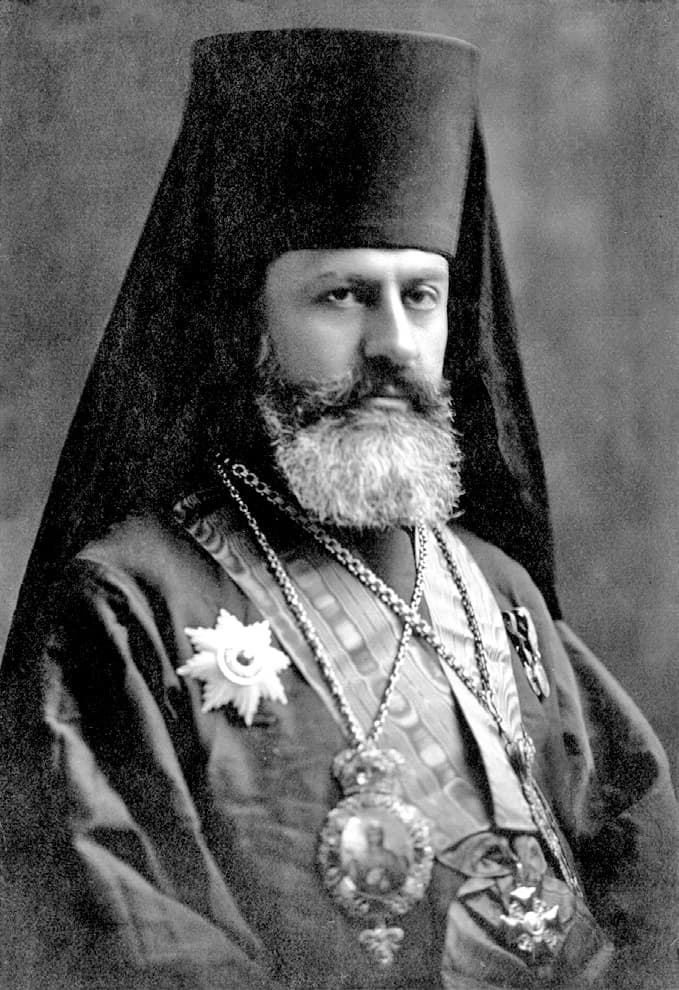
Raphael of Brooklyn was the first Eastern Orthodox bishop in America, serving as an auxiliary bishop for the Russian Orthodox Church and head of the Antiochian Syrian Christian mission. He is remembered for his strong opposition to ethnophyletism and exclusivism within the church, and for his pioneering efforts in integrating the Eastern Orthodox Church into multimedia through the first published Orthodox magazine. His missionary zeal led him across North America and even to the Caribbean, establishing numerous parishes and churches.
Gorazd of Prague
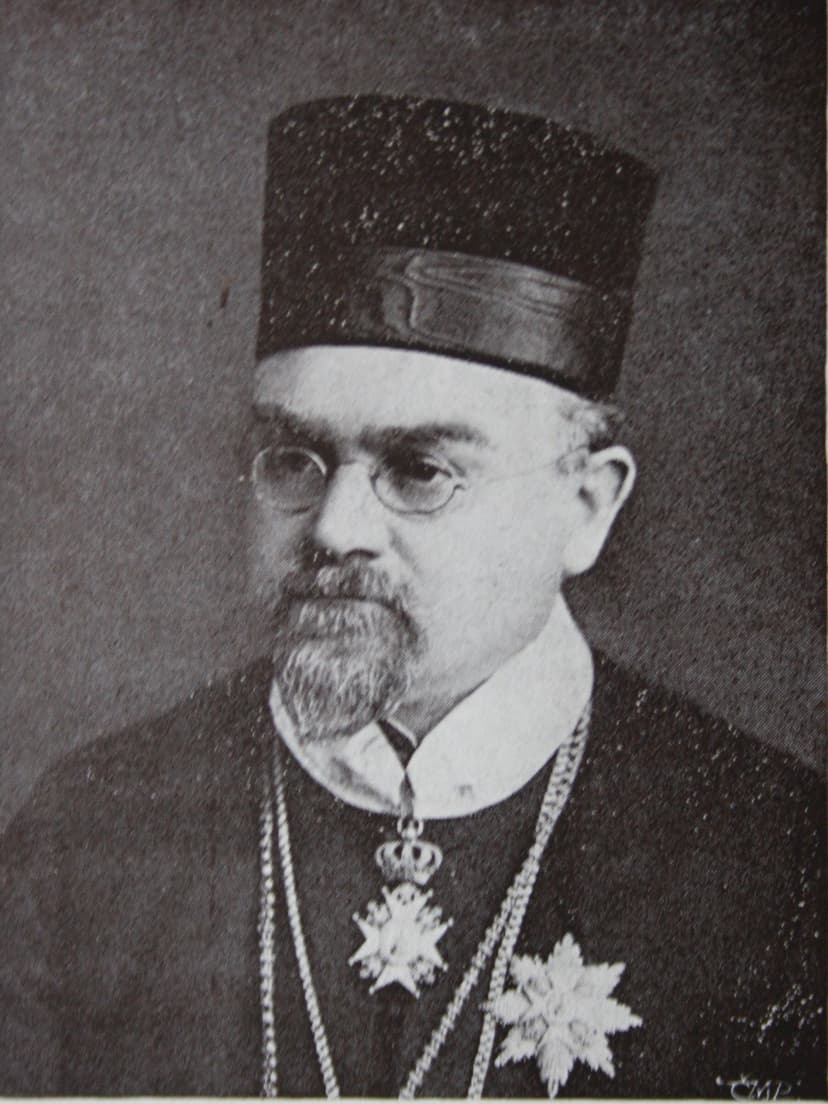
Gorazd of Prague, born Matěj Pavlík, was the hierarch of the revived Orthodox Church in Czechoslovakia after World War I. He is chiefly remembered for his martyrdom during World War II, when he took responsibility for sheltering assassins of SS-Obergruppenfuhrer Reinhard Heydrich to protect his congregation. This act of bravery led to his execution by the Nazis and his subsequent veneration as a new martyr.