
Gorazd of Prague
September 4·20th century·Czech Republic
Gorazd of Prague, born Matěj Pavlík, was the hierarch of the revived Orthodox Church in Czechoslovakia after World War I. He is chiefly remembered for his martyrdom during World War II, when he took responsibility for sheltering assassins of SS-Obergruppenfuhrer Reinhard Heydrich to protect his congregation. This act of bravery led to his execution by the Nazis and his subsequent veneration as a new martyr.
Key Facts
- ›Matěj Pavlík was born on May 26, 1879, in Hrubá Vrbka, Moravia, Austria-Hungary.
- ›He was ordained a priest and developed an interest in Eastern Orthodoxy and the mission of Cyril and Methodius.
- ›On September 24, 1921, he was consecrated bishop with the name Gorazd by the Serbian Orthodox Church.
- ›Gorazd organized parishes and built churches in Bohemia, translating essential service books into Czech.
- ›He took responsibility for sheltering assassins of Reinhard Heydrich, leading to his arrest and execution on September 4, 1942.
- ›The Serbian Orthodox Church recognized Gorazd as a new martyr on May 4, 1961.
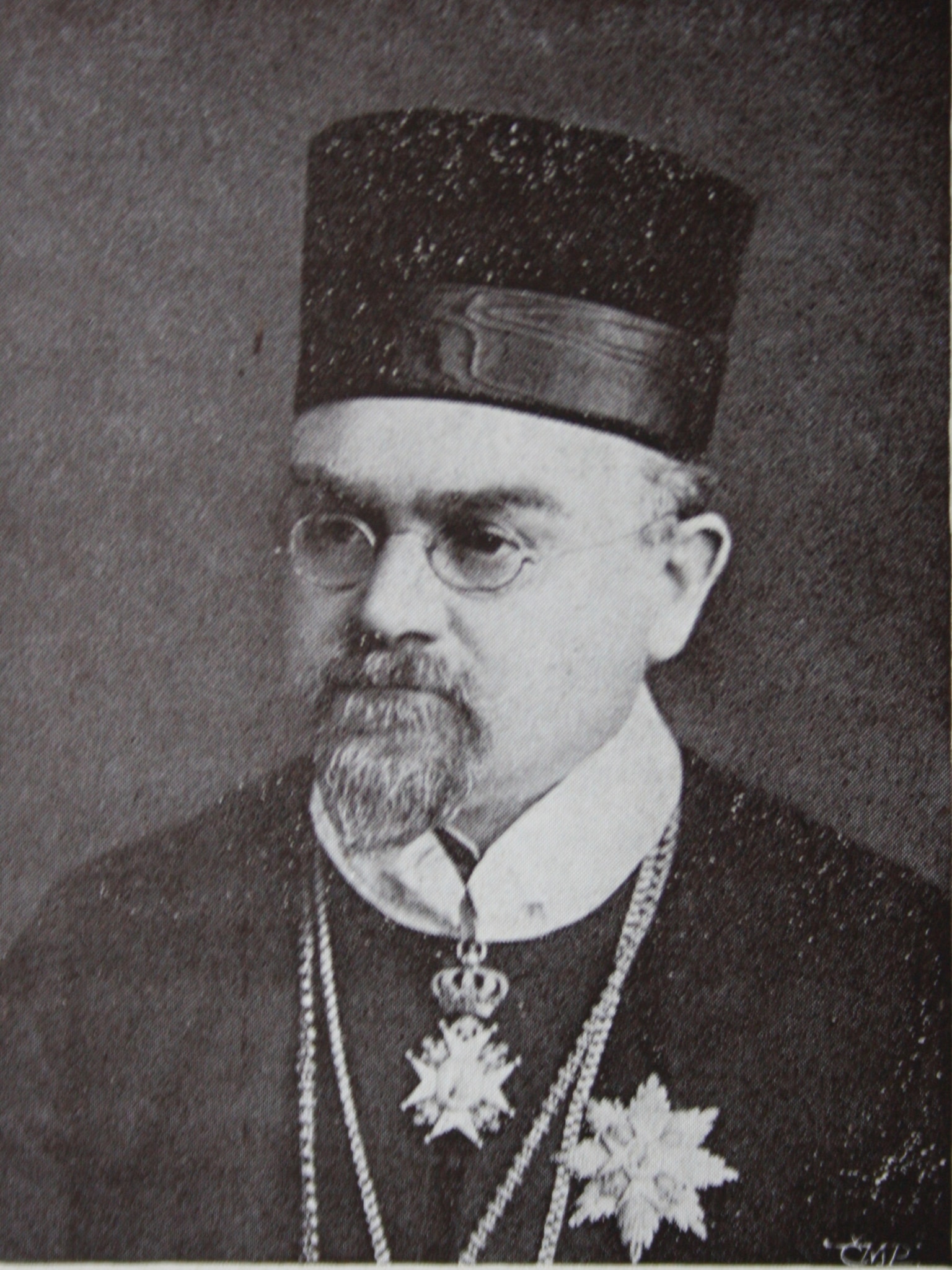
Matěj Pavlík
About Gorazd of Prague
Gorazd of Prague, born Matěj Pavlík on May 26, 1879, was a pivotal figure in the revival of the Orthodox Church in Czechoslovakia in the aftermath of World War I. He is primarily venerated as a martyr for his courageous actions during the Nazi occupation.
Life and Ministry
Born in Moravia into a Roman Catholic society, Pavlík's theological studies sparked an interest in Eastern Orthodoxy. The religious freedom following the establishment of Czechoslovakia provided an opportunity for individuals to explore different Christian traditions. Pavlík, drawn to Orthodoxy, was consecrated bishop with the name Gorazd by the Serbian Orthodox Church on September 24, 1921. He chose the name Gorazd in symbolic continuity with Saint Gorazd, a disciple of Saints Cyril and Methodius who succeeded Methodius as Bishop of Moravia.
As Bishop of Moravia and Silesia, Gorazd dedicated himself to organizing parishes and constructing churches in Bohemia. He also played a significant role in translating liturgical texts into the Czech language, making Orthodox worship more accessible. His efforts extended to assisting those in Carpathian Ruthenia and Slovakia who were returning to their ancestral Orthodox faith.
Martyrdom
During World War II, following the Nazi conquest of Czechoslovakia, the Orthodox Church was placed under German administration. In May 1942, Czech resistance fighters assassinated SS-Obergruppenfuhrer Reinhard Heydrich. The assassins sought refuge in the crypt of the Cathedral of Saints Cyril and Methodius in Prague. When Gorazd learned of this, he recognized the grave danger it posed to the church and its members. To shield his congregation from severe Nazi reprisals, Gorazd took full responsibility for harboring the assassins. This act of defiance led to his arrest on June 27, 1942, and subsequent execution by firing squad on September 4, 1942, at Kobylisy Shooting Range. His body was cremated.
Glorification and Legacy
Gorazd's actions were seen by the Orthodox faithful as a testament to their church's bravery and devotion to justice. The Serbian Orthodox Church officially recognized Gorazd as a new martyr on May 4, 1961, and he was later glorified in the Olomouc Orthodox Church in Moravia on August 24, 1987. Gorazd of Prague remains an important figure, symbolizing faith, courage, and sacrifice in the history of the Orthodox Church in the Czech lands.
Source: Wikipedia ↗
Frequently Asked Questions
Who was Gorazd of Prague?
Gorazd of Prague, born Matěj Pavlík, was the bishop and hierarch of the revived Orthodox Church in Czechoslovakia after World War I. He is recognized for his leadership in establishing Orthodox parishes and translating liturgical texts into Czech.
Why is Gorazd of Prague considered a martyr?
Gorazd became a martyr during World War II when he took full responsibility for providing refuge to the assassins of SS-Obergruppenfuhrer Reinhard Heydrich. He did this to minimize Nazi reprisals against his congregation, an act that led to his arrest and execution.
When is Gorazd of Prague's feast day?
His feast day is celebrated on September 4 according to the New Calendar (NC), and on August 22 according to the Old Calendar (OC).
What role did Gorazd play in the Orthodox Church in Czechoslovakia?
Following World War I and the establishment of religious freedom, Gorazd was instrumental in reviving the Orthodox Church in Czechoslovakia. He organized parishes, oversaw the building of churches, and ensured that essential service books were translated and published in the Czech language.
How did the Nazis react to the assassination of Reinhard Heydrich?
After Heydrich's assassination, the Nazis initiated severe reprisals. They discovered the assassins hiding in the crypt of the Cathedral of Saints Cyril and Methodius, leading to the execution of many, including Gorazd and other church officials.
Related Saints
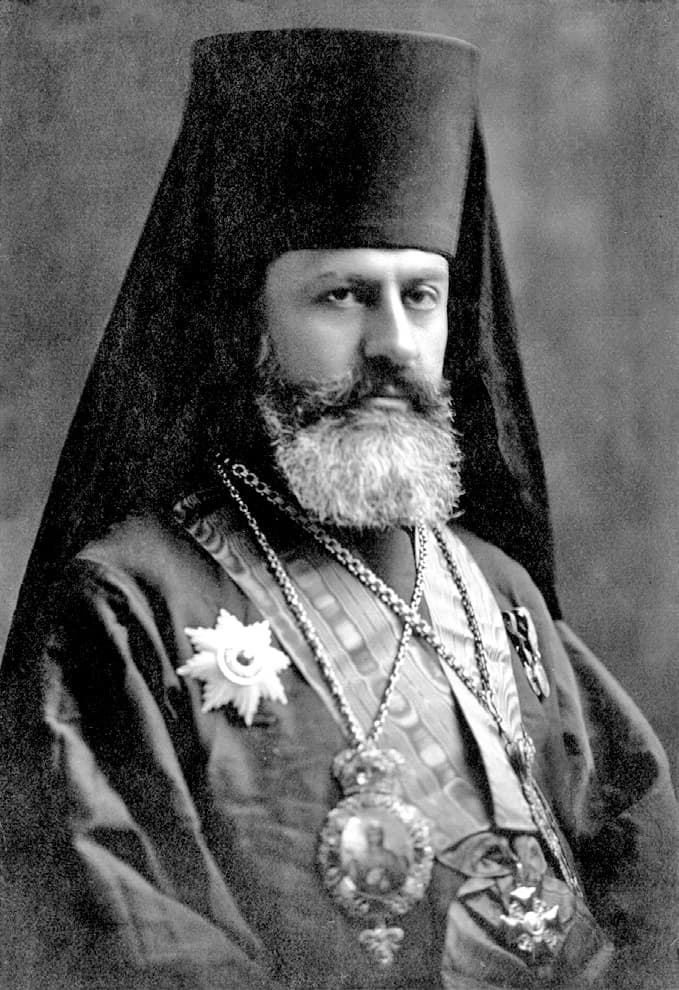
Raphael of Brooklyn
Raphael of Brooklyn was the first Eastern Orthodox bishop in America, serving as an auxiliary bishop for the Russian Orthodox Church and head of the Antiochian Syrian Christian mission. He is remembered for his strong opposition to ethnophyletism and exclusivism within the church, and for his pioneering efforts in integrating the Eastern Orthodox Church into multimedia through the first published Orthodox magazine. His missionary zeal led him across North America and even to the Caribbean, establishing numerous parishes and churches.
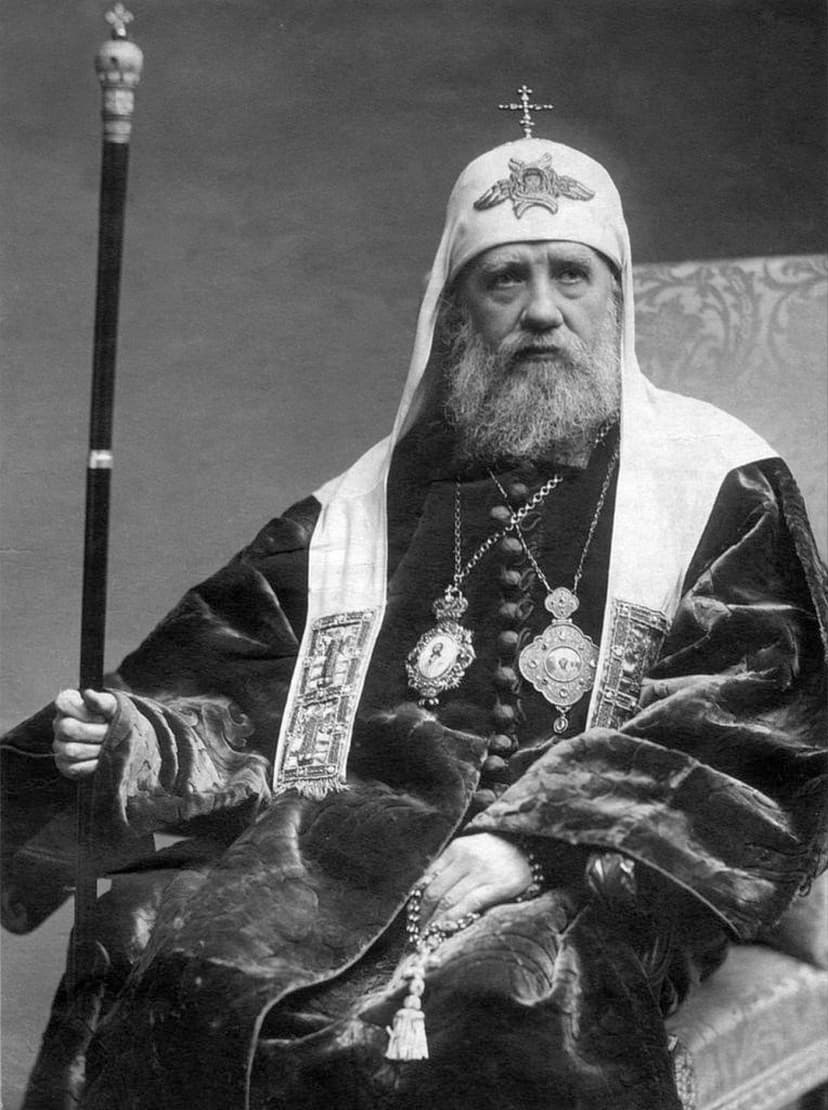
Tikhon of Moscow
Tikhon of Moscow, born Vasily Ivanovich Bellavin, was the 11th Patriarch of Moscow and All Russia, restoring the position after 200 years of Synodal rule. He is remembered for his leadership during a tumultuous period of the Russian Revolution and subsequent Soviet persecution of the Church, and was canonized as a confessor.
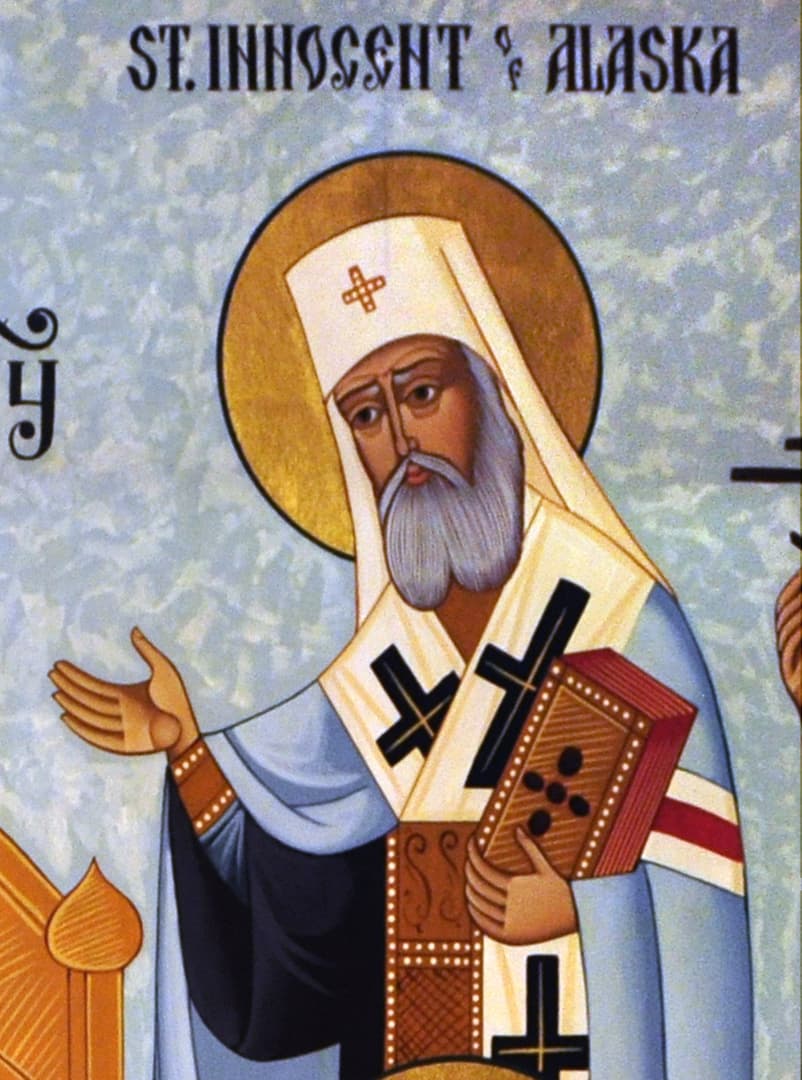
Innocent of Alaska
Innocent of Alaska was a Russian Orthodox missionary priest who became the first Orthodox bishop and archbishop in the Americas, and later the Metropolitan of Moscow. He is primarily remembered for his extensive missionary work, scholarship, and administrative leadership in Alaska and the Russian Far East during the 19th century, particularly for his linguistic abilities and efforts to translate religious texts into indigenous languages.