
Theodore of Vršac
May 29·16th century·Serbia
Theodore of Vršac was a Serbian Orthodox Bishop who led the Banat Uprising against Ottoman occupation in 1594. He is remembered as a hieromartyr for organizing the revolt and being brutally executed by Sinan Pasha. Theodore was canonized by the Serbian Orthodox Church in 1994.
Key Facts
- ›Theodore was the Serbian Orthodox Bishop of Vršac.
- ›He led the Banat Uprising against Ottoman occupation in 1594.
- ›The revolt aimed to liberate villages in Banat, including Vršac.
- ›Serb rebels used icon depictions of Saint Sava as war flags.
- ›Sinan Pasha captured Theodore and had him flayed and burned alive.
- ›He was canonized by the Serbian Orthodox Church on May 29, 1994.
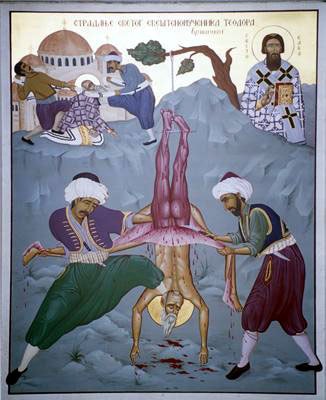
Saint Hieromartyr Theodore, Bishop of Vršac, Teodor
About Theodore of Vršac
Theodore of Vršac (d. 1594) was a Serbian Orthodox Bishop of Vršac who gained historical prominence as the leader of the Banat Uprising in 1594. This revolt was a significant act of resistance against Ottoman occupation during the Long War (1593–1606).
Life and Historical Context
Amidst the ongoing conflict with the Ottoman Empire, Theodore, in conjunction with figures like Sava Ban and voivode Velja Mironić, organized a rebellion in the Banat region. The uprising succeeded in liberating numerous villages, including the strategically important town of Vršac. A notable aspect of the rebels' strategy was the use of icon depictions of Saint Sava as war flags, a move intended to bolster morale and spiritual strength among the fighters.
Martyrdom and Legacy
Theodore's leadership of the uprising ultimately led to his capture by Sinan Pasha, the governor of Temeşvar Eyalet. Pasha ordered Theodore to be brutally executed by being flayed and burned alive. This act of extreme violence occurred in the same year that Sinan Pasha, in retaliation for the uprising, ordered the burning of Saint Sava's relics at Vračar hill.
In recognition of his sacrifice and leadership, Theodore of Vršac was proclaimed a saint by the Serbian Orthodox Church. He is officially recognized as "Saint Hieromartyr Theodore, Bishop of Vršac." His canonization took place on May 29, 1994, with his feast day celebrated on May 16 (Julian) or May 29 (Gregorian).
Source: Wikipedia ↗
Frequently Asked Questions
Who was Theodore of Vršac?
Theodore of Vršac was a Serbian Orthodox Bishop of Vršac who became a prominent leader of the Banat Uprising in 1594 against Ottoman occupation. He is venerated as a hieromartyr by the Serbian Orthodox Church.
What was the Banat Uprising?
The Banat Uprising was a revolt against Ottoman rule in the Banat region, led by Theodore of Vršac, Sava Ban, and voivode Velja Mironić. The uprising saw the liberation of several villages, including Vršac.
How did Theodore of Vršac die?
Sinan Pasha of Temeşvar Eyalet captured Theodore and ordered him to be flayed and burned alive. This brutal execution occurred in 1594, the same year Saint Sava's remains were burned in response to the rebellion.
When was Theodore of Vršac canonized?
Theodore of Vršac was proclaimed a saint and canonized by the Serbian Orthodox Church on May 29, 1994. His feast day is observed on May 29th (Gregorian calendar) or May 16th (Julian calendar).
Why is Saint Sava associated with Theodore's uprising?
During the Banat Uprising, Serb rebels used icon depictions of Saint Sava as their war flags. This was believed to strengthen them in battle and symbolized their religious and national identity.
Related Saints
Euthymius of Dečani
Venerable Euthymius of Dečani was a 16th-century Serbian monk who became a martyr during the Ottoman invasion of Medieval Serbia. He is primarily remembered for his martyrdom, with his feast day celebrated by the Serbian Orthodox Church.
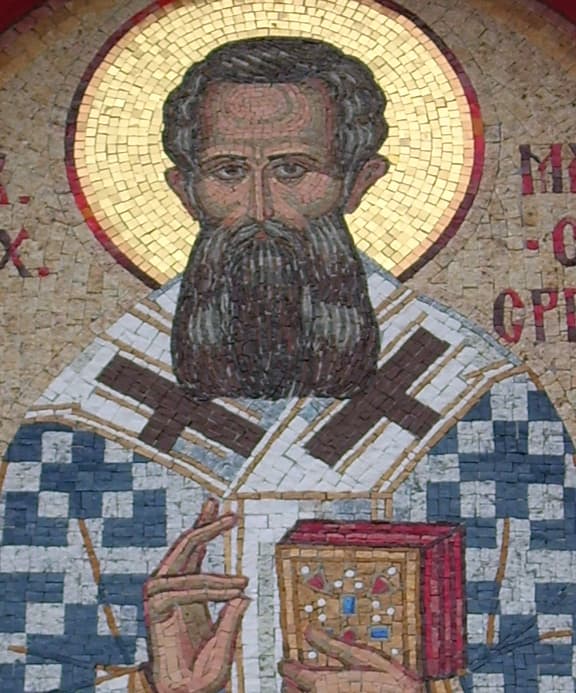
Maximus of Ungro-Wallachia
Maximus of Ungro-Wallachia, born Đorđe Branković, was the last male member of the Branković dynasty and titular Despot of Serbia. After relinquishing his titles, he took monastic vows, becoming known as Maksim, and later served as Metropolitan of Belgrade. He is venerated as a saint by the Serbian Orthodox Church for his devotion and role in maintaining morale during tumultuous times.
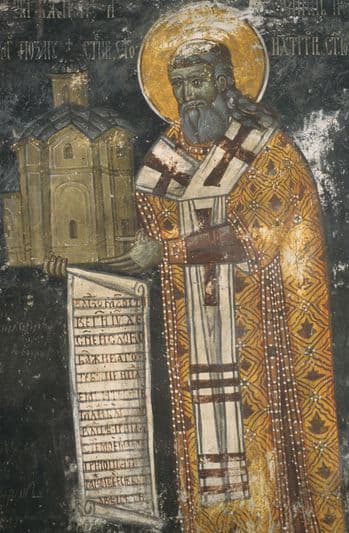
Macarius of Serbia
Macarius of Serbia was the first Patriarch of the restored Serbian Patriarchate of Peć, serving from 1557 to 1571. His re-establishment of the patriarchate, with the influence of his kinsman Grand Vizier Mehmed-paša Sokolović, marked a significant revival for the Serbian Orthodox Church and culture. He is venerated as a saint within the Serbian Orthodox Church.