
Theodore of Tabennese
Theodore of Tabennese was a pivotal successor to Pachomius, credited with preventing the collapse of the first Christian cenobitic monastic federation. He is chiefly remembered for his strong leadership and administrative skills in maintaining the Koinonia's stability after Pachomius's death.
Key Facts
- ›Theodore was born into a wealthy Christian family and educated from a young age.
- ›He joined a monastery in Egypt at the age of fourteen and later sought to join Pachomius's community at Tabennese.
- ›Theodore served as steward of Tabennese and later as personal assistant to Pachomius.
- ›Following Pachomius's death in 348, Theodore effectively led the Pachomian Koinonia for eighteen years.
- ›His personal writings include instructions for monks and letters concerning Passover and vigilance against sin.
- ›The monastic chronicle of the Pachomian federation is the most detailed source mentioning Theodore.
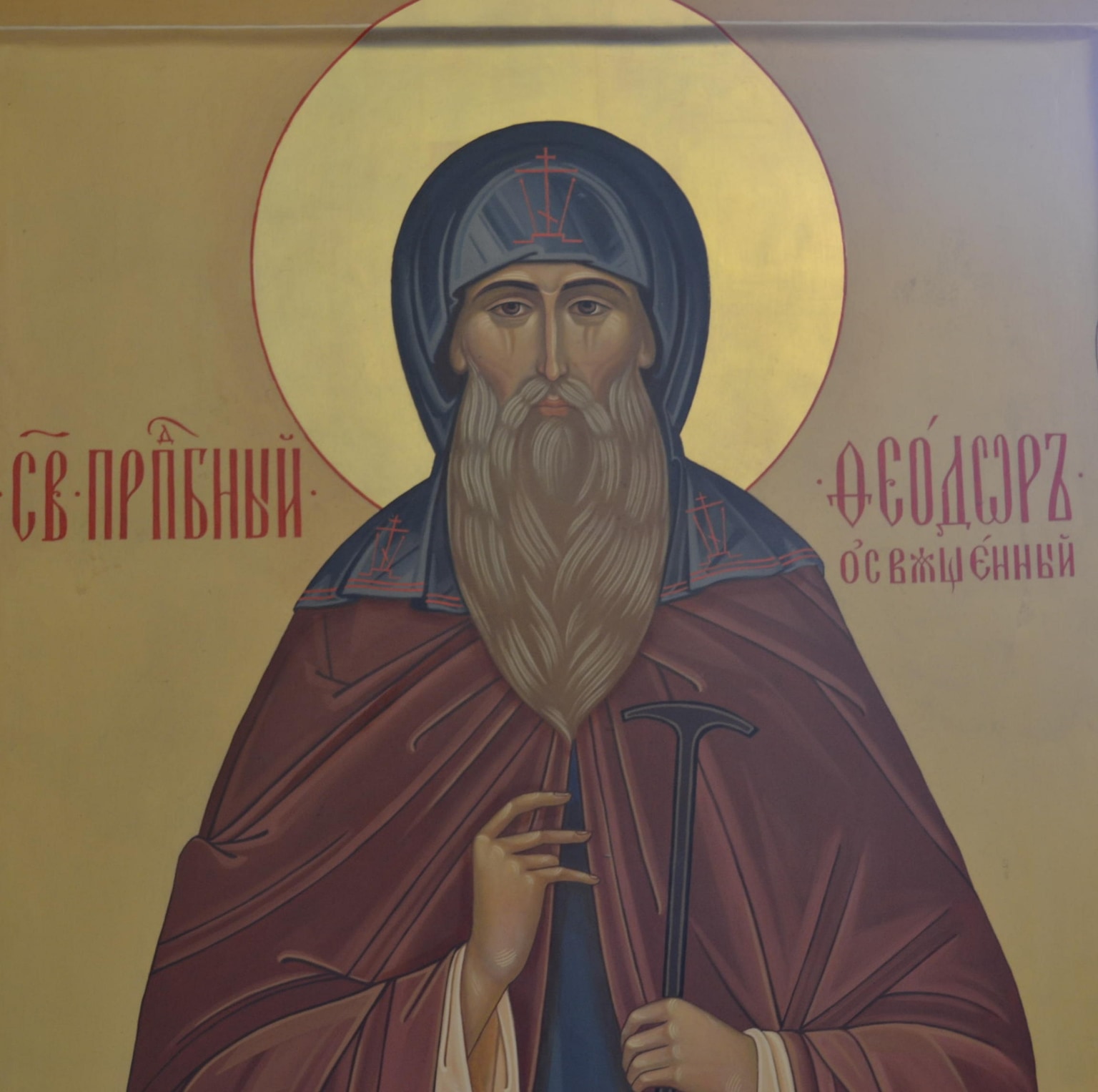
Abba Theodorus, Theodore the Sanctified
Pachomian Monks
About Theodore of Tabennese
Theodore of Tabennese (c. 314 – 368), also known by the monastic titles Abba Theodorus and Theodore the Sanctified, was a crucial figure in the early history of Christian monasticism. He is recognized for his role as the spiritual successor to Saint Pachomius the Great and for his pivotal efforts in stabilizing the first Christian cenobitic monastic federation after its founder's death.
Life and Historical Context
According to hagiographical accounts, Theodore was born into a devout Christian family and received a solid education. From a young age, he rejected worldly excesses and at fourteen joined a monastery in Sne, Egypt. Inspired by a brother's account of Pachomius's community at Tabennese, Theodore was drawn to this way of life. Despite initial obstacles due to his background, his persistence led him to Tabennese around 328, where he quickly became a favored disciple of Pachomius.
Initially, Theodore lived an ascetical life and was known as the "brothers' comforter." Although he exerted influence and was eventually appointed steward of Tabennese, Pachomius demoted him due to perceived leniency with rule violations. Theodore then served as Pachomius's personal assistant. When Pachomius was gravely ill and had not named a successor, Theodore was urged to assert leadership, but Pachomius recovered and exiled him. Later forgiven, Theodore remained a respected but cautious figure.
Leadership of the Koinonia
Following Pachomius's death in 348 and the subsequent brief leadership of Petronios and then Apa Horsiesios, the Pachomian federation faced a crisis of obedience. Theodore returned to Tabennese to rally the dissenting monks and became the de facto leader. For eighteen years, he governed from Pachomius's former headquarters in Phbow, employing assertive administrative techniques to maintain peace and order within the communities. Upon his prediction of his own death, Apa Horsiesios resumed his formal leadership role.
Writings and Legacy
Theodore's personal writings, recorded by his followers, include instructions and letters that offer insights into Pachomian monastic values and early Christian teachings. While these texts are important for understanding the monastic system, they reveal little about Theodore's individual personality beyond his admiration for Pachomius and advocacy for an ascetic lifestyle. The monastic chronicle of the Pachomian federation stands as the most detailed source for Theodore's life and leadership, presenting him as one of the two central figures in the history of the Koinonia. Theodore's legacy lies in his successful stewardship, which ensured the survival and continued influence of the organized monasticism founded by Pachomius.
Source: Wikipedia ↗
Frequently Asked Questions
Who was Theodore of Tabennese?
Theodore of Tabennese, also known as Abba Theodorus and Theodore the Sanctified, was a key figure in early Christian monasticism. He served as the spiritual successor to Pachomius and played a vital role in maintaining the integrity of the first Christian cenobitic monastic federation.
What was Theodore's role after Pachomius's death?
After Pachomius died in 348, the Pachomian federation faced internal challenges. Theodore stepped in as the de facto leader, administering the Koinonia from Pachomius's former headquarters for eighteen years and implementing more assertive leadership strategies to maintain order.
What writings are attributed to Theodore of Tabennese?
Theodore's followers recorded his sermons, and some of his correspondence has survived. His personal writings include a set of three instructions containing lessons and rules for monks, along with two short letters dealing with the topics of Passover and vigilance against sin.
How did Theodore of Tabennese influence monastic life?
Theodore's influence was primarily through his leadership and administrative actions within the Pachomian Koinonia. He is credited with preventing the monastic federation from collapsing after its founder's death by employing strong governance and managing ambitious monks effectively.
What is the significance of the monastic chronicle regarding Theodore?
The monastic chronicle is the most detailed historical source that mentions Theodore of Tabennese. It presents him and Pachomius as central figures in the history of the Koinonia and provides the most substantial biographical information available about Theodore.
Related Saints

Sergius of Radonezh
Sergius of Radonezh was a highly influential Russian Orthodox spiritual leader and monastic reformer who lived in the 14th century. He is best remembered as the founder of the Trinity Lavra of St. Sergius, Russia's most venerated monastic house, and for his role in the Russian spiritual and cultural revival of his time. His teachings and the monasteries founded by his disciples significantly shaped the Russian Orthodox Church.
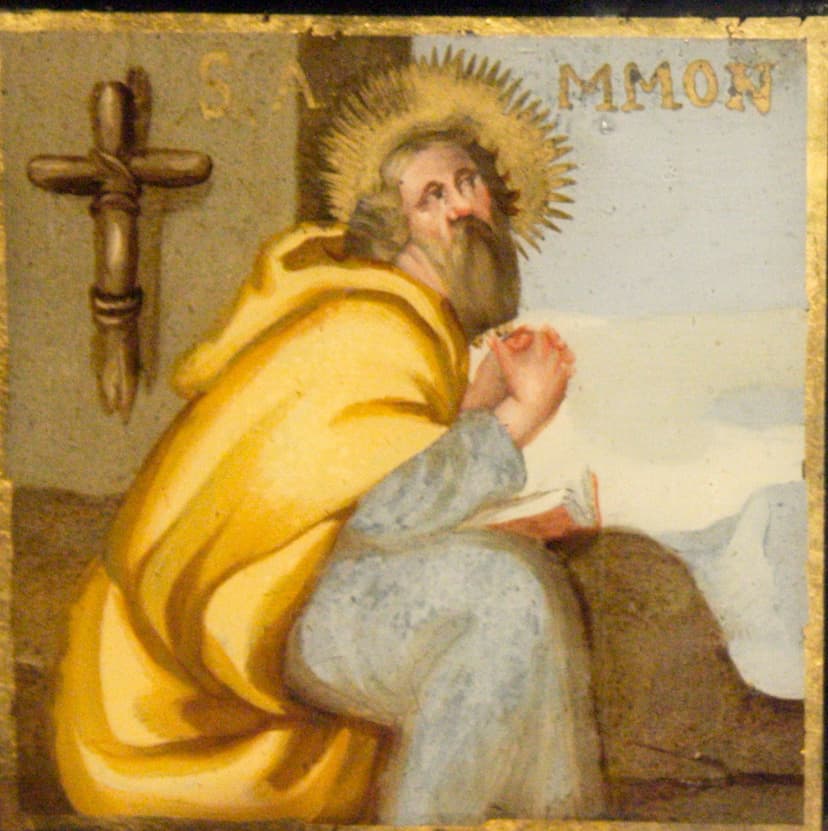
Ammon of Egypt
Ammon of Egypt was a 4th-century Christian ascetic and the founder of one of Egypt's most celebrated monastic communities. He is remembered for his influential role in early monasticism, particularly in the Nitrian Desert, and for his teachings on asceticism. His life and writings inspired many to follow a monastic path.
Macarius of Alexandria
Macarius of Alexandria was a monk in the Nitrian Desert, a younger contemporary of Macarius of Egypt, also known as Macarius the Younger. He was a merchant before dedicating his life to asceticism, eventually becoming a presbyter and prior of a monastery. He is remembered for his strict ascetic practices and for presiding over a large number of monks.