
Theodore of Sykeon
April 22·7th century·Byzantine Empire
Saint Theodore of Sykeon was a Byzantine ascetic, priest, and bishop who lived in the 6th and early 7th centuries. He is remembered for his ascetic life, prophetic visions, and his interactions with Emperor Heraclius. His hagiography is a significant historical source for the period of Emperor Heraclius' reign.
Key Facts
- ›Theodore was born in Sykeon, Galatia, to Mary and Cosmas.
- ›He was ordained a deacon and then a priest at the age of eighteen.
- ›He served as the Bishop of Anastasioupolis.
- ›Theodore foretold the death of Emperor Maurice and subsequent tribulations.
- ›His hagiography, written by his disciple George, is a primary source for Emperor Heraclius' reign.
- ›He died on April 22, 613.
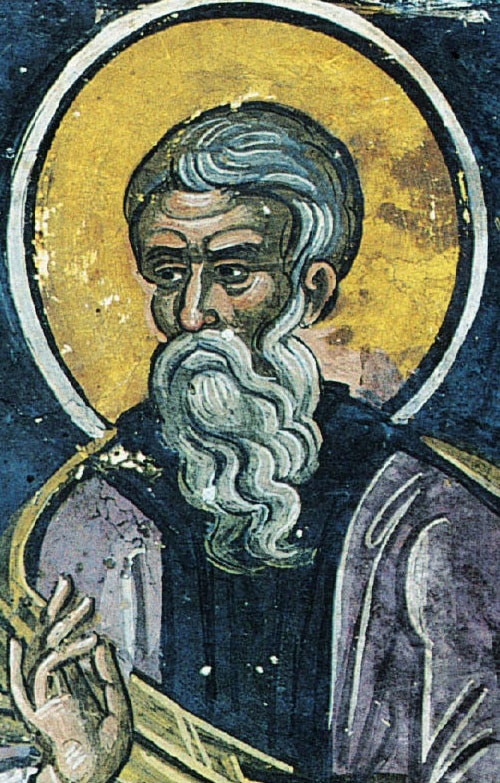
Theodore the Sykeote
About Theodore of Sykeon
Theodore of Sykeon, also known as Theodore the Sykeote, was a prominent Byzantine ascetic, priest, and bishop who lived from the early 6th century until his death in 613. His life and the accounts of his ascetic practices, prophetic visions, and interactions with secular and religious authorities make him a significant figure in Byzantine hagiography.
Life and Ministry
Theodore was born in the village of Sykeon in Galatia. His early life was marked by a serious illness during a plague epidemic, from which he recovered after being taken to the shrine of St. John the Baptist. At the age of fourteen, he began living at a shrine dedicated to St. George, where he is said to have received the gift of healing. He later withdrew into solitude in a cave for two years.
Despite his youth, Theodore was ordained a deacon and then a priest. He expressed a desire to live a more monastic life, visiting Jerusalem and the desert monasteries. He received the monastic habit at the Monastery of Choziba but eventually returned to Galatia.
He was later chosen as the Bishop of Anastasioupolis. During the reign of Emperor Maurice, Theodore reportedly foretold the emperor's death and ensuing tribulations. He also had dealings with Emperor Phocas and later intervened to save the life of Phocas's nephew, Domentziolus, after Heraclius's rebellion. Theodore blessed Emperor Heraclius before his campaign against the Sassanids, though a missed invitation to dinner was interpreted by the saint as a sign of impending defeat, which coincided with Heraclius's loss at the Battle of Antioch.
Hagiography and Veneration
Theodore of Sykeon's primary source of information is his hagiography, the "Life of Theodore," written after 641 by his disciple George. This work is rich in detail and offers valuable insights into Byzantine society, the lives of women, family structures, and the network of religious communities during the reign of Emperor Heraclius. His feast day is observed on April 22.
Following his death, Theodore's remains were brought to Constantinople. This act was associated with Emperor Heraclius's regime and was seen as a means of protection against the Persian threat and a source of divine favor for the city.
Source: Wikipedia ↗
Frequently Asked Questions
When did Saint Theodore of Sykeon live?
Saint Theodore of Sykeon lived between the first half of the 6th century and the early 7th century, with his death recorded in 613.
What is Theodore of Sykeon remembered for?
He is remembered as a revered Byzantine ascetic, priest, and bishop. He is also known for his prophetic visions and his interactions with Emperor Heraclius.
Why is Theodore of Sykeon's hagiography important?
His hagiography, written by his disciple George, is a key primary source for understanding the reign of Emperor Heraclius and provides circumstantial detail about contemporary events, women's lives, family life, and monastic networks in Asia Minor.
What was Theodore of Sykeon's role in the church?
Theodore was ordained as a deacon and later as a priest. He eventually became the Bishop of Anastasioupolis.
Where were Theodore of Sykeon's remains taken?
Following his death, his remains were quickly transported to Constantinople, possibly to protect them from the Persian war and to serve as divine protection for the city.
Related Saints
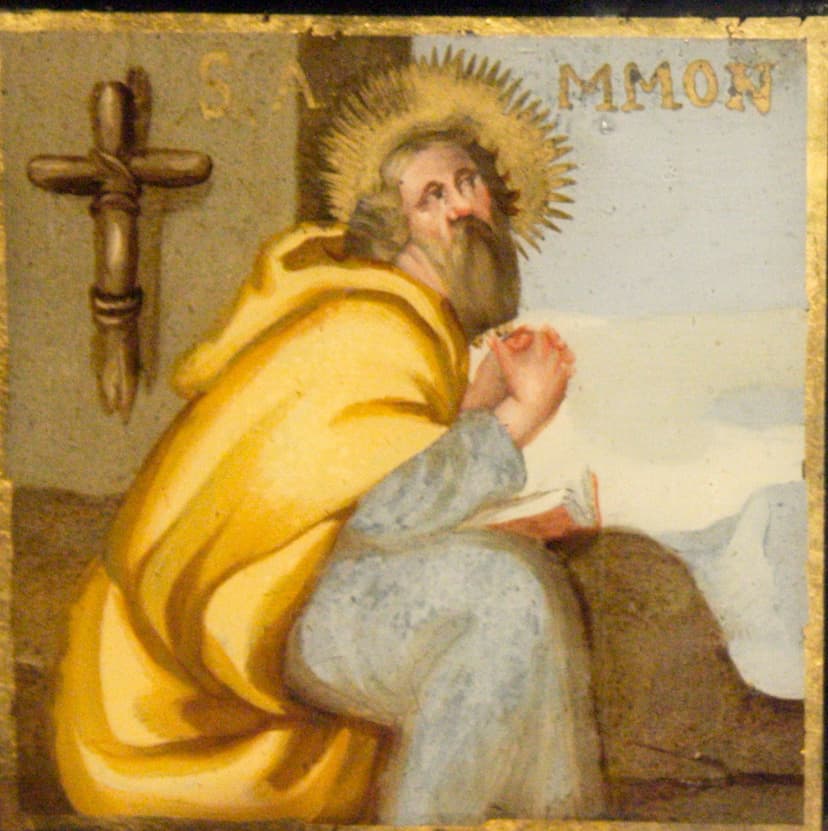
Ammon of Egypt
Ammon of Egypt was a 4th-century Christian ascetic and the founder of one of Egypt's most celebrated monastic communities. He is remembered for his influential role in early monasticism, particularly in the Nitrian Desert, and for his teachings on asceticism. His life and writings inspired many to follow a monastic path.
Euphrosyne of Alexandria
Euphrosyne of Alexandria was an Egyptian saint who lived as an ascetic for 38 years by disguising herself as a male monk. She is chiefly remembered for her devotion, her clever evasion of an arranged marriage, and her eventual reconciliation with her father before his own monastic life.
John of Tella
John of Tella was a 6th-century Syriac Orthodox bishop, theologian, and ascetic, recognized for his pivotal role in preserving the Syriac Orthodox Church during a period of intense persecution in the eastern Byzantine Empire. He is chiefly remembered for his efforts to maintain the non-Chalcedonian hierarchy by organizing the ordination of thousands of clergy and for his theological writings that solidified Miaphysite Christology.