
Nicetas of Medikion
April 3·9th century·Byzantine Empire
Saint Nicetas of Medikion was a 9th-century monk and abbot who became a prominent opponent of Byzantine Iconoclasm. He is remembered for his courageous stand against the heresy of iconoclasm, which led to his imprisonment and exile, and for his ascetic life and reputed wonderworking. His piety and leadership drew many followers to the Medikion Monastery where he served as hegoumenos.
Key Facts
- ›Nicetas was born in Bithynian Caesarea to a pious family.
- ›He became a disciple of the hermit Stephen and later joined the Medikion Monastery.
- ›He was ordained presbyter and later chosen as hegoumenos (abbot) of the Medikion Monastery.
- ›Nicetas was imprisoned twice for opposing iconoclasm.
- ›He was exiled during the reign of Emperor Leo V the Armenian and released upon the emperor's death.
- ›He died in 824 near Constantinople, and his remains were returned to the Medikion Monastery.
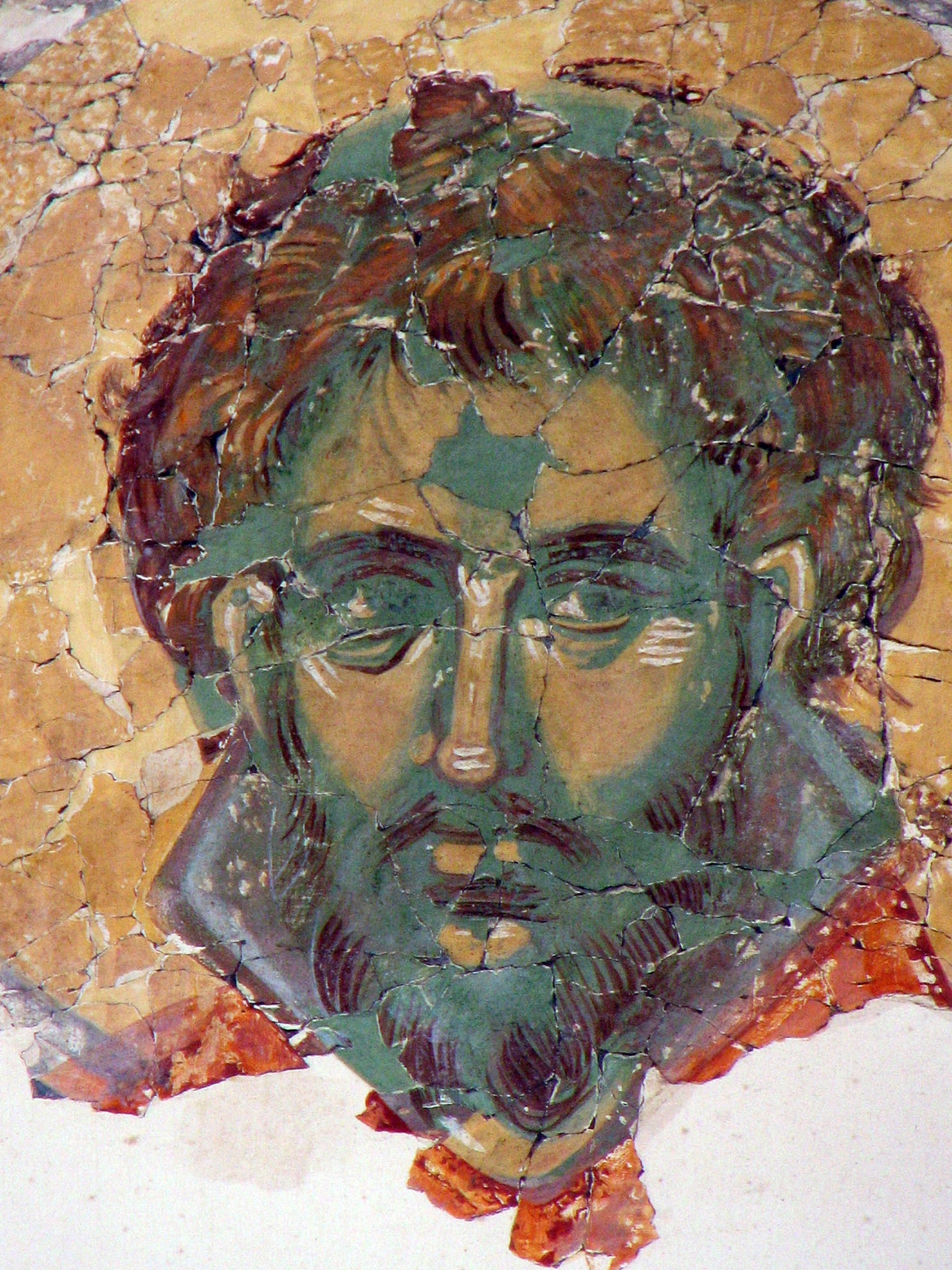
Nicetas the Confessor, Νικήτας Μηδικίου, Νικήτας ο ομολογητής
About Nicetas of Medikion
Saint Nicetas of Medikion, also known as Nicetas the Confessor, was a prominent monk and abbot who lived during the Byzantine era, primarily in the late 8th and early 9th centuries. He is commemorated on April 3rd and is venerated in the Eastern Orthodox Church for his steadfast opposition to the heresy of iconoclasm and for his deeply ascetic and charitable life.
Life and Historical Context
Born in Bithynian Caesarea to a pious family, Nicetas's early life was marked by the death of his mother shortly after his birth and his father's subsequent entry into monastic life. He was raised by his grandmother and from a young age showed a devotion to church life, becoming a disciple of the hermit Stephen. At a relatively young age, Nicetas joined the Medikion Monastery, where he served for seven years before being ordained a presbyter.
Upon the illness of the monastery's hegoumenos, Nicephorus, Nicetas was entrusted with the guidance of the community. After Nicephorus's death, Nicetas was chosen by the monks to lead the monastery. His piety and spiritual example attracted many to the monastic life, leading to the growth of the Medikion community under his leadership.
Opposition to Iconoclasm and Exile
Nicetas became a vocal opponent of the Byzantine Iconoclasm, a movement that rejected the veneration of religious images. This stance led to significant persecution. He was imprisoned twice for his beliefs and, at the beginning of the 9th century during the reign of Emperor Leo V the Armenian, he was exiled. Following the death of Emperor Leo, Nicetas was released. Rather than return to the Medikion Monastery immediately, he chose a more austere life in a monastery near Constantinople, where he died in 824. His remains were later returned to the Medikion Monastery.
Legacy and Veneration
Several medieval accounts of Nicetas's life exist, with the most significant being the biography written by his disciple, Theosterictus. Saint Joseph the Hymnographer also described Nicetas's life in his Canon as ascetic, God-pleasing, and filled with charity, noting his reputed wonderworking abilities and gift of healing. References to St. Nicetas have been found in ancient manuscripts from the Greek Orthodox Patriarchate of Jerusalem and in menaia from the Serbian and Russian Orthodox Patriarchates. A church dedicated to him was built on the Greek island of Lefkas in the 18th century, attesting to his enduring veneration.
Nicetas is recognized as a confessor for his unwavering faith in the face of persecution and as a founder for his significant role in leading and expanding the Medikion Monastery.
Source: Wikipedia ↗
Frequently Asked Questions
Who was Saint Nicetas of Medikion?
Saint Nicetas of Medikion was a monk and abbot in the Byzantine Empire during the 8th and 9th centuries. He is venerated for his opposition to iconoclasm and his ascetic life.
Why is Nicetas known as a Confessor?
He is known as a confessor because he bravely defended the Orthodox faith against the heresy of iconoclasm, enduring imprisonment and exile for his beliefs without renouncing them.
What was Nicetas's role at the Medikion Monastery?
Nicetas joined the Medikion Monastery, was ordained a priest there, and eventually became its hegoumenos (abbot). He was known for his piety and leadership, drawing many followers.
What challenges did Nicetas face?
Nicetas faced significant challenges due to his opposition to iconoclasm, which led to his imprisonment and exile during the reign of Emperor Leo V the Armenian.
What is Nicetas remembered for besides his opposition to iconoclasm?
He is also remembered for his ascetic life, his charity, and his reputation as a wonderworker with the gift of healing.
Related Saints
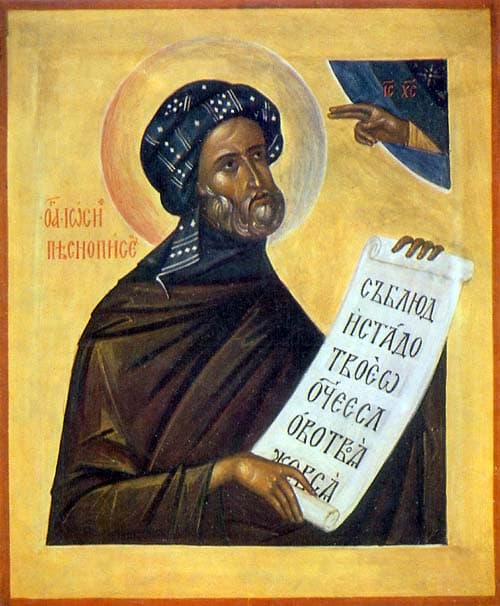
Joseph the Hymnographer
Joseph the Hymnographer was a ninth-century Greek monk, celebrated as one of the Eastern Orthodox Church's greatest liturgical poets and hymnographers. He is also remembered for his staunch confession of Orthodox faith against Iconoclasm. His prolific writings and monastic foundations left a significant mark on Byzantine liturgical tradition.
John of Constantinople
John of Constantinople was an abbot of the Cathares Monastery in Constantinople who died in 839. He is remembered for his steadfast opposition to the Byzantine Emperor Leo the Armenian's iconoclastic policies, for which he endured torture. John is venerated as a saint for his iconodulism and resilience in the face of persecution.
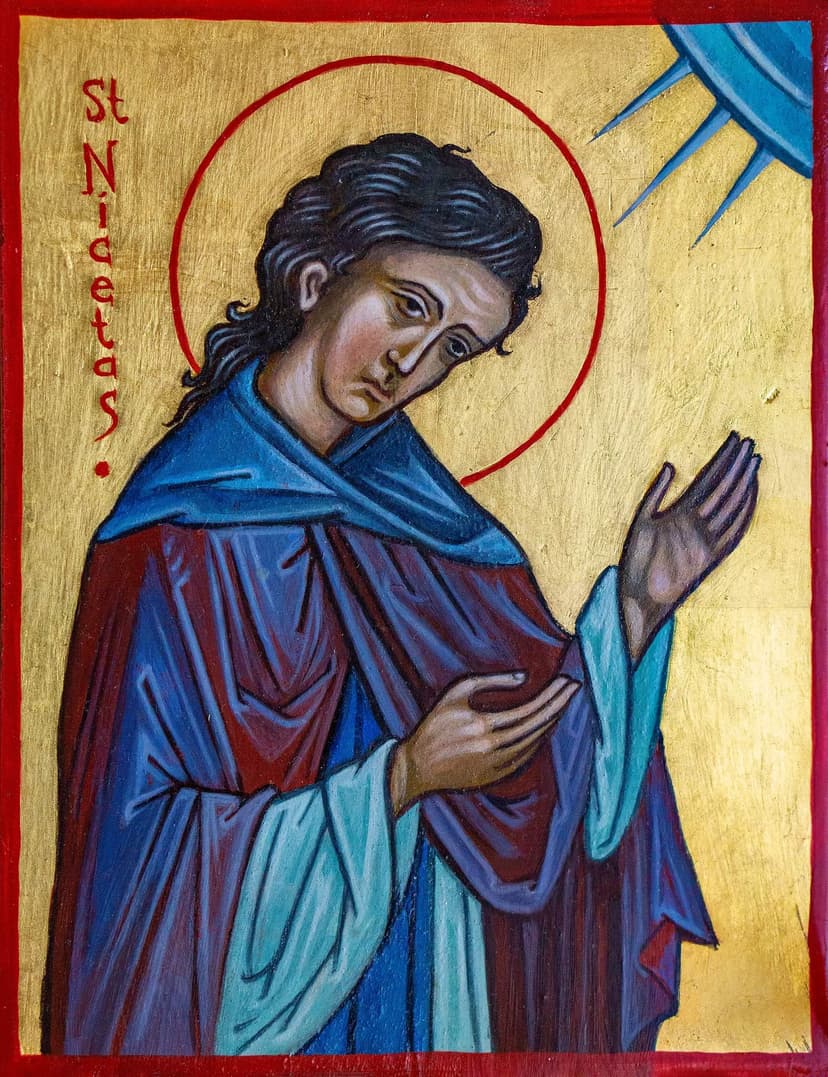
Nicetas of Constantinople
Nicetas of Constantinople was a Byzantine monk and a staunch opponent of Byzantine Iconoclasm. He is remembered as a Confessor of the Faith for his steadfast refusal to abandon his veneration of icons during periods of persecution. Nicetas is honored for his spiritual leadership and his commitment to his beliefs despite facing exile and house arrest.