
Nestor the Chronicler
October 27·12th century·Ukraine
Nestor the Chronicler was a monk of the Monastery of the Caves in Kiev and a prominent author in Kievan Rus'. He is chiefly remembered for writing two major hagiographies: the Life of the Venerable Theodosius of the Kiev Caves and the Account about the Life and Martyrdom of the Blessed Passion Bearers Boris and Gleb. While traditionally credited with authoring the Primary Chronicle, modern scholars debate his primary role in its creation, leading some to refer to him as Nestor the Hagiographer.
Key Facts
- ›Nestor entered the Monastery of the Caves in Kiev as a novice around 1073.
- ›He was ordained a hierodeacon.
- ›In 1091, Nestor was part of a mission to find the relics of Theodosius of Kiev.
- ›He died around 1114 and was buried in the near Caves.
- ›Nestor was canonized as a saint by the Eastern Orthodox Church.
- ›His relics are preserved in the Kiev Pechersk Lavra.
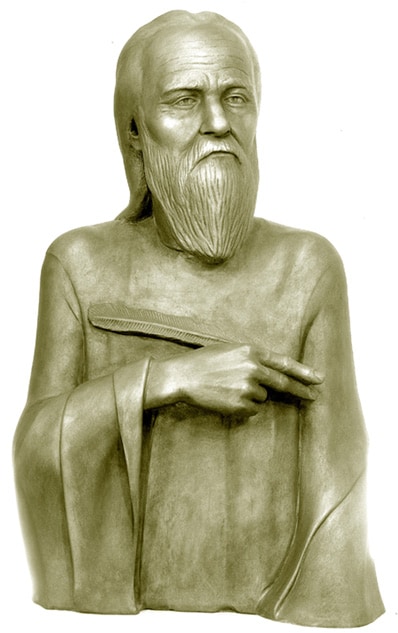
Nestor the Hagiographer
About Nestor the Chronicler
Nestor the Chronicler (c. 1056 – c. 1114) was a monk of the Monastery of the Caves in Kiev and a significant author in Kievan Rus'. His historical and hagiographical writings are considered foundational to the study of early East Slavic history and religious literature.
Life and Historical Context
According to the Kiev Caves Patericon, Nestor entered the Monastery of the Caves in Kiev as a novice around the age of 17, approximately in 1073. He received monastic tonsure and was later ordained as a hierodeacon. A notable event in his life was his commission in 1091, alongside two other monks, to locate the relics of Theodosius of Kiev, a mission he successfully completed. Nestor died around 1114 and was buried within the Near Caves of the monastery.
Major Contributions
Nestor is definitively credited with writing two important hagiographies: the Life of the Venerable Theodosius of the Kiev Caves and the Account about the Life and Martyrdom of the Blessed Passion Bearers Boris and Gleb. These works offer valuable narratives on the lives of key figures and the veneration of martyrs in Kievan Rus'. Traditionally, Nestor was also believed to be the author of the Primary Chronicle, also known as the Tale of Bygone Years, which earned him the epithet "the Chronicler." However, this attribution is a subject of ongoing scholarly debate, with many modern academics questioning his primary authorship of this seminal historical text.
Veneration
Nestor the Chronicler was canonized as a saint by the Eastern Orthodox Church. His veneration is primarily linked to his inclusion in the Synaxis of all Venerable Fathers of the Kiev Caves. His feast day is celebrated on October 27, and he is also commemorated on various other dates as part of synaxes for saints of the Kiev Caves and Volhynia.
Legacy
The writings attributed to Nestor the Chronicler remain crucial sources for understanding the religious, cultural, and political landscape of Kievan Rus'. His definitive works continue to be studied for their historical and literary significance, even as the authorship of the Primary Chronicle remains a point of academic discussion.
Source: Wikipedia ↗
Frequently Asked Questions
What is Nestor the Chronicler most known for?
Nestor the Chronicler is primarily known for his authorship of two major hagiographies: the Life of the Venerable Theodosius of the Kiev Caves and the Account about the Life and Martyrdom of the Blessed Passion Bearers Boris and Gleb. He is also traditionally credited with writing the Primary Chronicle.
What is the authorship controversy surrounding Nestor the Chronicler?
While Nestor the Chronicler has long been attributed as the author of the Primary Chronicle (also known as the Tale of Bygone Years), many modern scholars question whether he was its primary author. This has led some academics to prefer referring to him as Nestor the Hagiographer.
When did Nestor the Chronicler live and die?
Nestor the Chronicler lived approximately from 1056 to 1114. He died around 1114 and was buried in the Near Caves of the Monastery of the Caves in Kiev.
What is the feast day of Nestor the Chronicler?
The main commemoration for Saint Nestor the Chronicler is on October 27. He is also commemorated on several other dates as part of synaxes (gatherings of saints) within the Eastern Orthodox Church.
Where are Nestor the Chronicler's relics located?
The relics of Saint Nestor are preserved within the Kiev Pechersk Lavra, a prominent Orthodox monastery in Kiev, Ukraine.
Related Saints
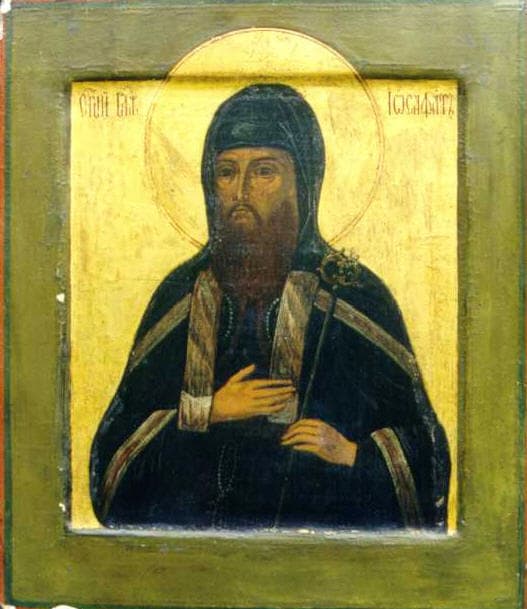
Josaphat Kuntsevych
Josaphat Kuntsevych was a Ruthenian Greek Catholic hieromonk and Archbishop of Polotsk who became a prominent figure in the conflict between Eastern Orthodox and Eastern Catholic Churches in the Polish-Lithuanian Commonwealth. He is remembered as a martyr for his role in spreading Eastern Catholicism and for his violent death during an anti-Catholic riot.
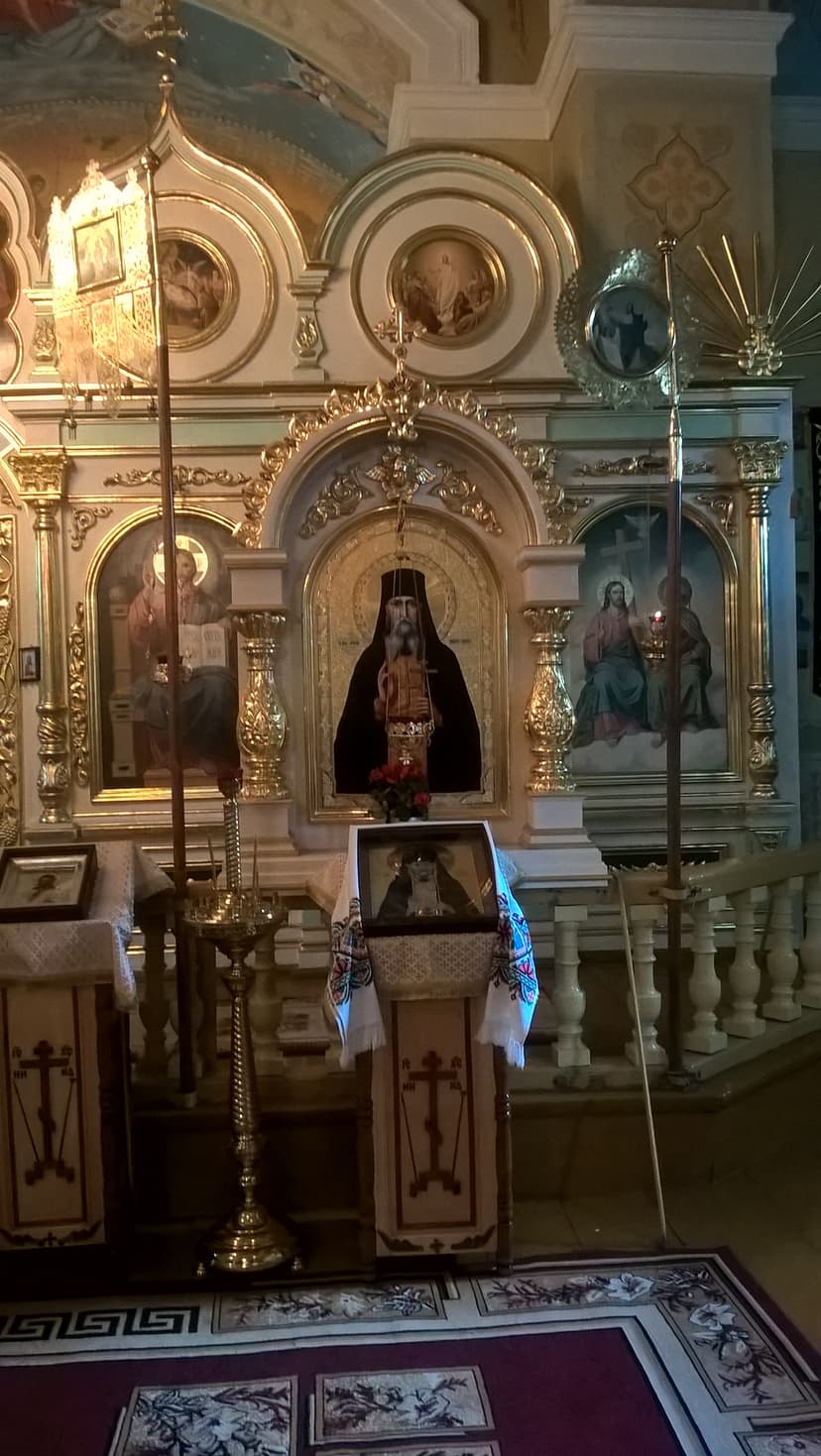
Leontius Stasievich
Leontius Stasievich was a clergyman of the Russian Orthodox Church, recognized during his lifetime as a starets with gifts of healing and prophecy. He is remembered as one of the New Martyrs and Confessors of the Russian Orthodox Church, having endured multiple imprisonments in labor camps under Soviet rule. He was posthumously canonized and is venerated for his spiritual guidance and miracles attributed to him.
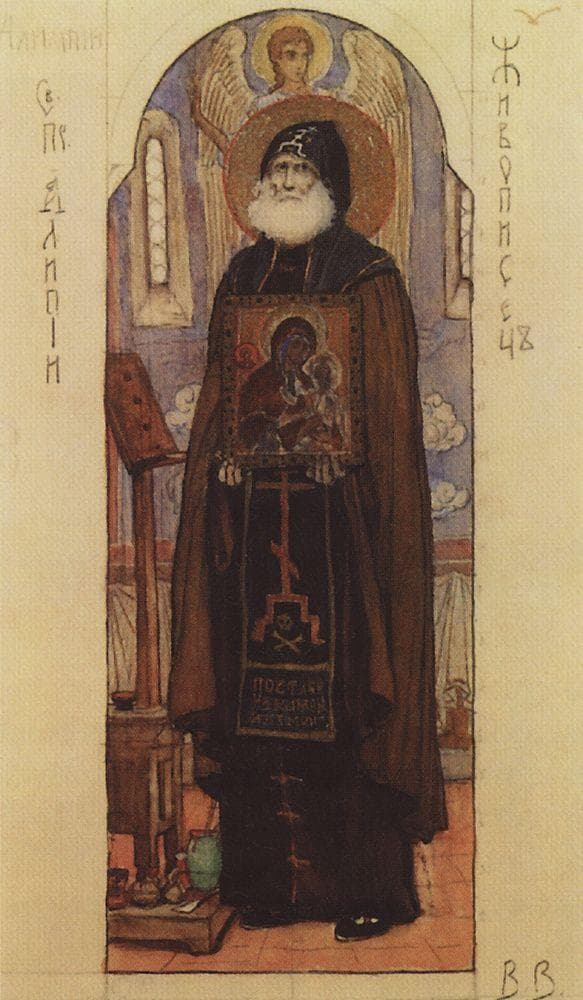
Alypius of the Caves
Alypius of the Caves was an Eastern Orthodox saint, monk, and renowned icon painter from the Kiev Pechersk Lavra. Considered the first icon painter of Kievan Rus, he was a disciple of Greek icon painters from Constantinople and is credited with creating icons with divine assistance. He is chiefly remembered for his icon painting, including the surviving Sven Icon of the Theotokos, and for the miraculous preservation of his hand, found formed in the Sign of the Cross after his death.