
Mstislav I of Kiev
Mstislav I of Kiev, also known as Mstislav the Great, was the Grand Prince of Kiev from 1125 until his death in 1132. He is remembered as the last ruler of a unified Kievan Rus', a state that began to disintegrate into rival principalities after his death. He was a significant builder of churches and a warrior who engaged in frequent campaigns.
Key Facts
- ›He was the eldest son of Vladimir II Monomakh and Gytha of Wessex.
- ›Mstislav was Grand Prince of Kiev from 1125 until his death in 1132.
- ›He spent his life in constant warfare with various groups, including the Cumans, Estonians, and Lithuanians.
- ›He built numerous churches in Novgorod and Kiev.
- ›His death marked the beginning of the rapid disintegration of the unified Kievan Rus'.
- ›He was canonized as a saint by the Russian Orthodox Church.
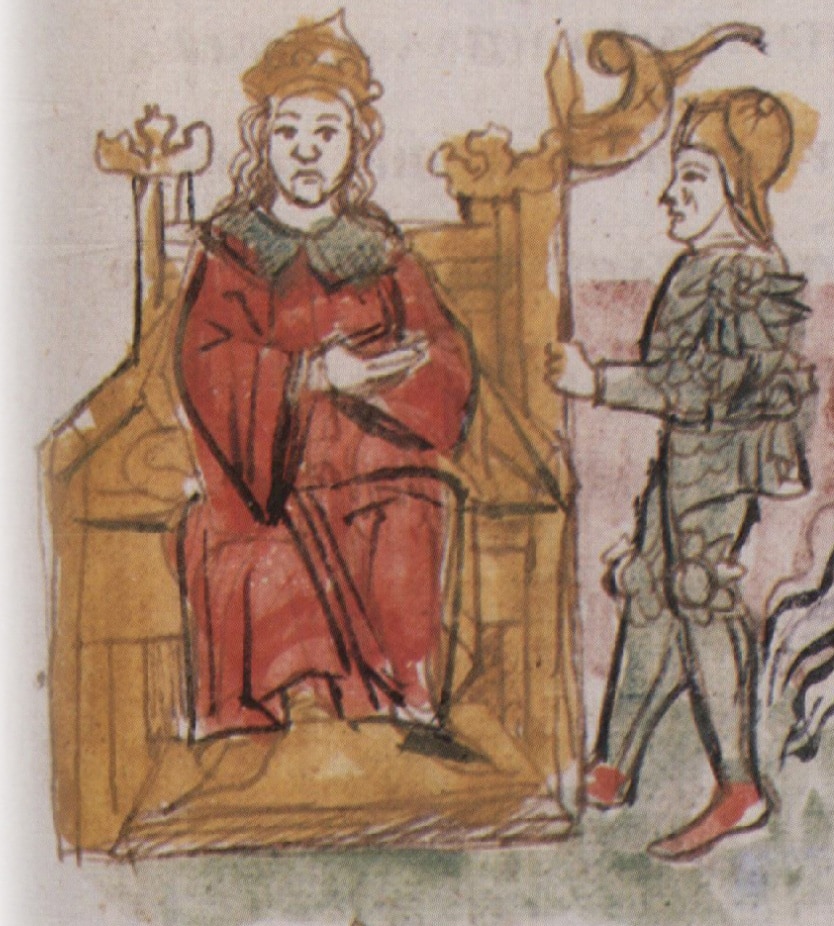
Mstislav the Great, Harald (in Norse Sagas), Theodore (Christian name)
About Mstislav I of Kiev
Mstislav I Vladimirovich Monomakh, known historically as Mstislav the Great, served as the Grand Prince of Kiev from 1125 until his death in 1132. He is a pivotal figure in East Slavic history, primarily remembered as the last ruler of a unified Kievan Rus'. His reign marked the culmination of his father Vladimir II Monomakh's efforts to consolidate power, but upon his death, the state began a rapid and irreversible process of fragmentation.
Life and Historical Context
Born in February 1076, Mstislav was the eldest son of Vladimir II Monomakh and Gytha of Wessex. His early life involved periods of governance in Novgorod and Rostov, preparing him for his eventual succession. Mstislav's Christian name was Theodore. He is noted in Norse sagas under the name Harald, a reference to his maternal grandfather, Harold II of England. His life was characterized by extensive military campaigns, including conflicts with the Cumans, Estonians, Lithuanians, and the princedom of Polotsk. These campaigns, while often successful, highlight the constant external pressures faced by the Kievan state. His victory over his uncle Oleg of Chernigov in 1096 laid the groundwork for ongoing dynastic rivalries.
Contributions and Legacy
Mstislav I was a significant patron of religious architecture. He commissioned numerous churches in Novgorod, including St. Nicholas Cathedral and the cathedral of St Anthony Cloister, many of which survive to this day. In Kiev, he erected important churches such as his family sepulchre at Berestovo and the church of the Assumption of the Mother of God in Podol. His reign is seen as the apex of the Kievan state, with his death in 1132 initiating a period of political decentralization. The chronicler noted that "the land of Rus was torn apart" after his passing, reflecting the profound impact of his demise on the political landscape.
Sainthood
Mstislav I was later canonized as a saint by the Russian Orthodox Church and is commemorated on April 15th in the Eastern Orthodox tradition. His veneration as a confessor and historical ruler underscores his enduring significance in the religious and political memory of Eastern Europe.
Source: Wikipedia ↗
Frequently Asked Questions
Who was Mstislav I of Kiev?
Mstislav I of Kiev, also known as Mstislav the Great, was the Grand Prince of Kiev from 1125 until his death in 1132. He was the eldest son of Vladimir II Monomakh and is considered the last ruler of a unified Kievan Rus'.
Why is Mstislav I important in history?
Mstislav I is historically significant as the final ruler of a unified Kievan Rus'. His death led to the rapid disintegration of the state into numerous rival principalities, marking a pivotal moment in East Slavic history.
What were Mstislav I's major accomplishments?
Mstislav I was a prolific builder of churches, constructing notable cathedrals in Novgorod and Kiev. He was also a formidable military leader, engaging in frequent warfare against various groups such as the Cumans and Estonians.
What happened after Mstislav I's death?
Following Mstislav I's death in 1132, the unified state of Kievan Rus' began to rapidly disintegrate. The princely family proliferated, breaking up into numerous local branches and sub-branches, leading to a period of fragmentation.
Is Mstislav I considered a saint?
Yes, Mstislav I was canonized as a saint by the Russian Orthodox Church and is commemorated on April 15th in the Eastern Orthodox Church.
Related Saints
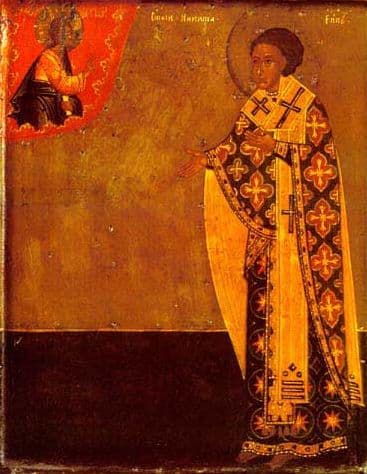
Nicetas of Novgorod
Nicetas of Novgorod was a monk of the Kiev Pechersk Lavra who embraced a life of solitude as a hermit. He is remembered for his spiritual struggles with demonic delusion, his subsequent repentance and gift of miracle-working, and his service as Bishop of Novgorod. His intercessions are credited with ending a drought and extinguishing a fire.
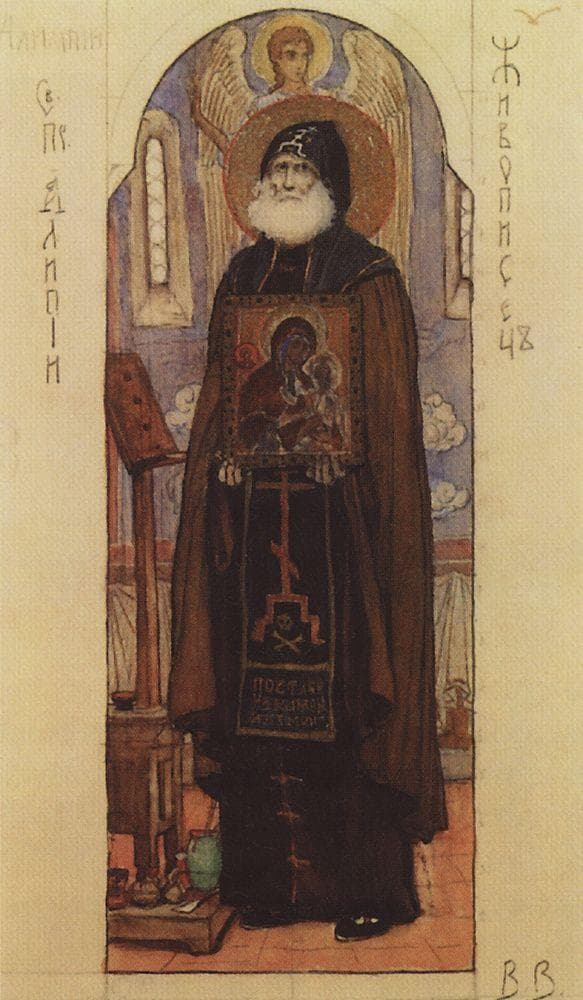
Alypius of the Caves
Alypius of the Caves was an Eastern Orthodox saint, monk, and renowned icon painter from the Kiev Pechersk Lavra. Considered the first icon painter of Kievan Rus, he was a disciple of Greek icon painters from Constantinople and is credited with creating icons with divine assistance. He is chiefly remembered for his icon painting, including the surviving Sven Icon of the Theotokos, and for the miraculous preservation of his hand, found formed in the Sign of the Cross after his death.
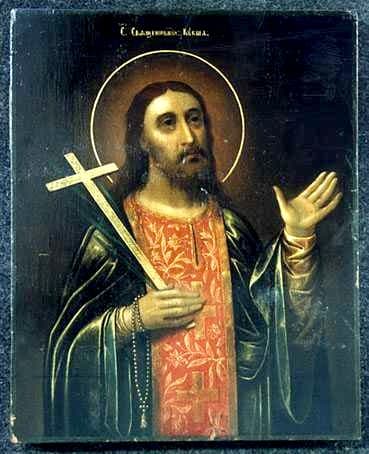
Kuksha of the Kiev Caves
Kuksha of the Kiev Caves was a monk and missionary from the Kiev Pechersk Lavra who is venerated as a saint in the Russian Orthodox Church. He is remembered for his efforts to spread Christianity among the Vyatichi people and for his martyrdom, for which he is honored as a confessor and martyr.