
Michael of Klopsk
January 11·15th century·Russia
Michael of Klopsk was a Russian Orthodox monk and fool for Christ associated with the Klopsky Monastery near Novgorod. He is remembered for his prophetic gifts, alleged miracles such as converting robbers and discovering a fountain, and his canonization by the Russian Orthodox Church.
Key Facts
- ›Michael of Klopsk was a Russian Orthodox monk and fool for Christ.
- ›He was associated with the Klopsky Monastery of the Holy Trinity near Novgorod.
- ›His hagiography, written starting in 1478-1479, details his activities and attributed miracles.
- ›Miracles attributed to him include the conversion of robbers and the discovery of an inexhaustible fountain.
- ›He died in 1456 and was canonized by the Russian Orthodox Church in 1547.
- ›His memory is commemorated on January 11.
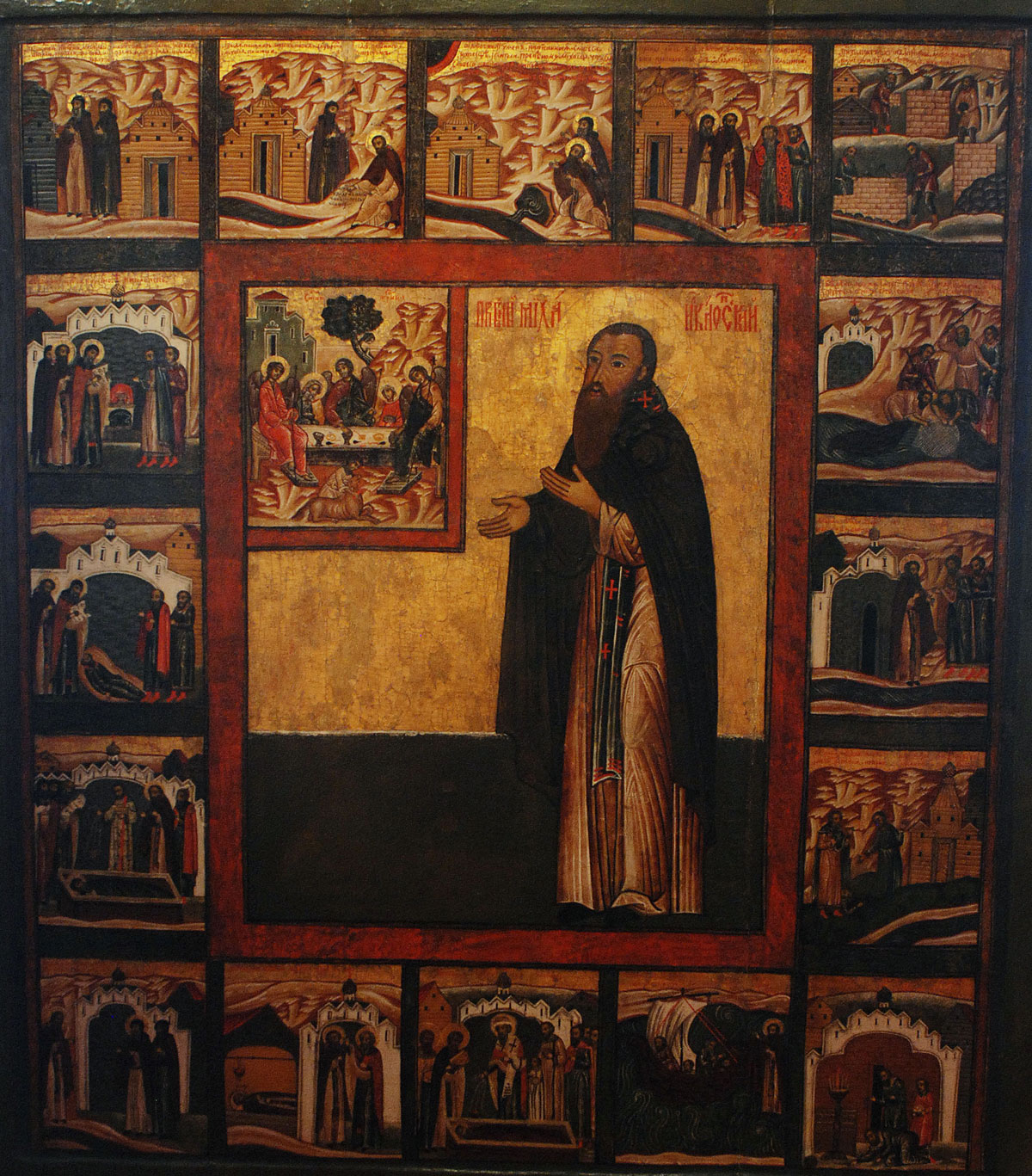
Mikhail Klopsky
About Michael of Klopsk
Michael of Klopsk was a Russian Orthodox monk and a spiritual figure known as a "fool for Christ" who lived near Novgorod. He is primarily associated with the Klopsky Monastery of the Holy Trinity, situated on the river Veryazha.
Life and Historical Context
Historical accounts suggest Michael may have been related to prominent figures of the era, possibly being the son or grandson of Dmitry Mikhailovich Volyn-Bobrok, a participant in the Battle of Kulikovo, and Anna Ivanovna, sister of Grand Prince Dmitry Donskoy. A hagiography of Michael, first compiled between 1478 and 1479 and later redacted, provides the earliest literary evidence of his life and activities within the monastery. During the period of the Muscovite–Lithuanian Wars, he appeared at the Monastery of the Holy Trinity and was recognized by Prince Konstantin Dmitrievich in 1413 as "our Mikhail."
Miracles and Veneration
The hagiography attributes several miracles to Michael, including the conversion of robbers, one of whom became the monk Dorofey, the discovery of an inexhaustible fountain, and various instances of weather prediction, clairvoyance, and prophecy. Michael died in 1456 and was later canonized by the Russian Orthodox Church in 1547. His feast day is commemorated on January 11, and his relics are venerated at the Klopsky Monastery.
Source: Wikipedia ↗
Frequently Asked Questions
Who was Michael of Klopsk?
Michael of Klopsk was a Russian Orthodox monk and a figure known as a 'fool for Christ.' He was associated with the Klopsky Monastery of the Holy Trinity, located near Novgorod.
What is Michael of Klopsk remembered for?
He is remembered for his ascetic life as a monk and for the miracles attributed to him in his hagiography. These include the conversion of robbers, the discovery of a fountain, and various acts of prophecy and clairvoyance.
When did Michael of Klopsk live and die?
Michael of Klopsk died in 1456. His life activity is generally placed in the period leading up to his death.
When was Michael of Klopsk canonized?
Michael of Klopsk was canonized by the Russian Orthodox Church a century after his death, in 1547.
Where are Michael of Klopsk's relics kept?
His relics are venerated at the Klopsky Monastery of the Holy Trinity, the monastery with which he was associated during his life.
Related Saints
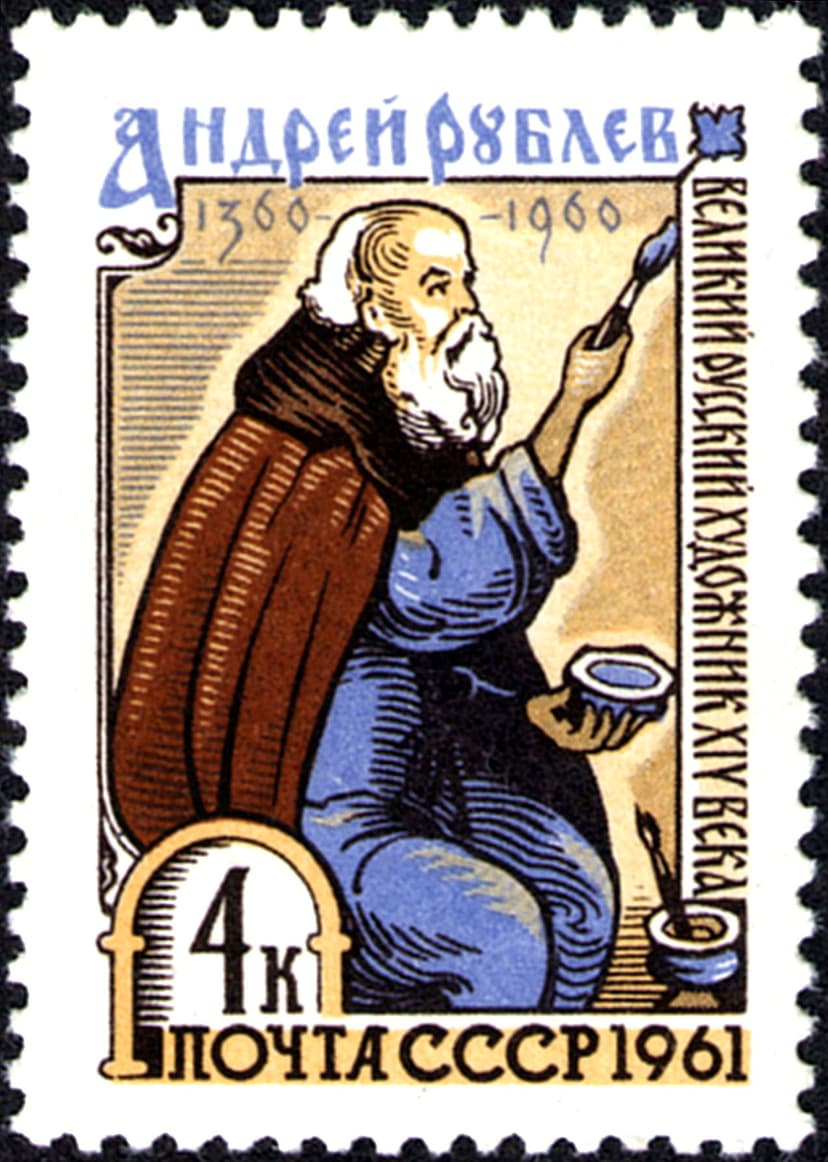
Andrew the Iconographer
Andrei Rublev was a Russian icon painter and fresco artist revered as a saint in the Eastern Orthodox Church. He is considered one of the greatest medieval Russian painters, best known for his icon of the Trinity and his influential style that blended Byzantine tradition with Russian spirituality.
Abraham of Paleostrov
Abraham of Paleostrov was an Eastern Orthodox saint and hegumen (abbot) of the Monastery of the Nativity of the Blessed Virgin Mary in Paleostrov, Russia. A disciple and successor of Cornelius of Paleostrov, he participated in the construction of the monastery and its churches. He is remembered for his abbatial service and burial alongside his spiritual father.

Cyril of Beloozero
Cyril of Beloozero was a Russian monk and disciple of Sergius of Radonezh, venerated as a saint by the Russian Orthodox Church. He is chiefly remembered for founding the Kirillo-Belozersky Monastery in 1397, which became a significant spiritual center in northern Russia. Cyril established a strict monastic order that attracted many followers.