
Manuel II Palaiologos
July 21·15th century·Byzantine Empire
Manuel II Palaiologos was the Byzantine emperor from 1391 to 1425, a period marked by significant Ottoman pressure. He is remembered for his efforts to secure Western European aid against the Ottomans, including personal visits to various European courts, and for his surviving literary works that offer insight into his life and the late Byzantine Empire. Shortly before his death, he became a monk, taking the name Matthaios.
Key Facts
- ›Manuel II Palaiologos was Byzantine emperor from 1391 to 1425.
- ›He solicited Western European aid against the Ottoman Empire, personally visiting courts in France, England, and Hungary.
- ›His wife Helena Dragaš was instrumental in ensuring their sons became emperors.
- ›He was tonsured a monk and took the name Matthaios shortly before his death.
- ›Manuel II penned thirty-three surviving works including letters, orations, and theological treatises.
- ›He is commemorated by the Greek Orthodox Church on July 21.
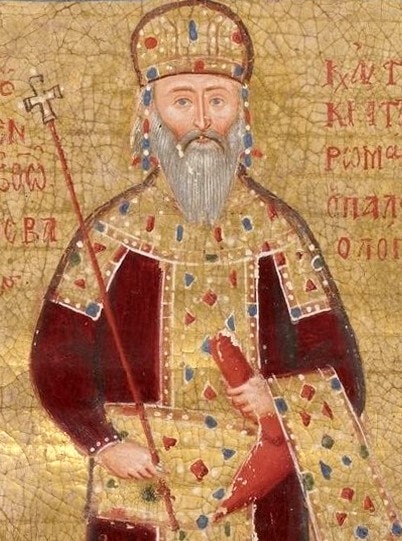
Matthaios (monastic name)
About Manuel II Palaiologos
Manuel II Palaiologos (1350–1425) was the Byzantine emperor who reigned from 1391 to 1425, a period dominated by the increasing threat of the Ottoman Empire. He is primarily remembered for his diplomatic efforts to secure Western European aid against Ottoman expansion and for his surviving literary works, which offer valuable insights into his life and the late Byzantine world.
Life and Reign
Born in 1350, Manuel II was the second son of Emperor John V Palaiologos. He was granted the title of despotēs and served as governor of Thessalonica before being proclaimed his father's heir in 1373 following an attempted usurpation by his older brother. Manuel II eventually set himself up as emperor in his own right in Thessalonica in 1382. His reign was characterized by a complex relationship with the Ottoman Empire, often involving periods of vassalage and tribute, interspersed with attempts to resist or circumvent Ottoman dominance.
Manuel II's most significant diplomatic undertaking was his extensive trip to Western Europe from 1399 to 1403. He visited the courts of France, England, and the Holy Roman Empire, seeking military and financial assistance against the encroaching Ottomans. Despite receiving some pledges of support and hospitality, these efforts ultimately failed to provide substantial relief. His personal interactions with Western rulers, such as Henry IV of England, are well-documented and highlight his unique position as the only Byzantine emperor to ever visit England.
Despite the overwhelming challenges, Manuel II's reign saw some territorial gains for the Byzantine Empire, particularly following the Ottoman defeat by Timur at the Battle of Ankara in 1402. His son, John VIII Palaiologos, succeeded him, and his other son, Constantine XI Palaiologos, would become the last Byzantine emperor.
Writings and Legacy
Manuel II was also a notable scholar and author, with thirty-three surviving works attributed to him. These writings span a variety of genres, including letters, orations, sermons, poems, prayers, dialogues, and theological treatises. His literary output is considered a crucial window into the intellectual and political landscape of the late Byzantine Empire, offering personal reflections and detailed accounts of his era. Historians view his oeuvre as providing a glimpse into the emperor-author's own life and the challenges faced by Byzantium in its final centuries.
Near the end of his life, Manuel II was paralyzed by a stroke in 1422 but continued to rule for three more years. He took monastic vows and received the name Matthaios, living his final days as a monk. He died on July 21, 1425, and is commemorated by the Greek Orthodox Church on this date.
Source: Wikipedia ↗
Frequently Asked Questions
When did Manuel II Palaiologos reign as Byzantine Emperor?
Manuel II Palaiologos reigned as Byzantine emperor from 1391 to 1425. This was a period of significant challenge for the Byzantine Empire due to Ottoman pressure.
What efforts did Manuel II make to counter the Ottoman threat?
Manuel II actively sought aid from Western European powers. He personally traveled to various European courts, including those of France and England, to plead his case and solicit military and financial support against the Ottomans.
What is Manuel II Palaiologos remembered for in terms of his writings?
Manuel II was a prolific writer, penning thirty-three surviving works. These include letters, orations, sermons, poems, prayers, dialogues, and ethico-philosophical and theological treatises, which provide scholars with insight into his life and the late Byzantine era.
What happened to Manuel II Palaiologos near the end of his life?
Shortly before his death, Manuel II was tonsured a monk and received the monastic name Matthaios. He continued to rule for some time after a stroke in 1422, living his final days as a monk.
Who was Manuel II's wife, and what was her role?
Manuel II's wife was Helena Dragaš, the daughter of Serbian prince Constantine Dragaš. She played a role in ensuring that their sons, John VIII and Constantine XI, would succeed to the imperial throne.
When is Manuel II Palaiologos commemorated?
Manuel II Palaiologos is commemorated by the Greek Orthodox Church on July 21st. This date also marks the anniversary of his death in 1425.
Related Saints
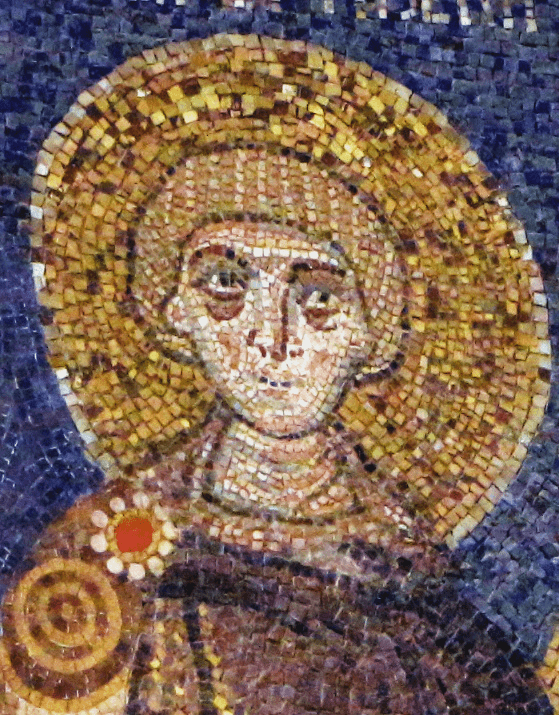
Constantine the Younger
Constantine IV, known as "the Younger," was the Byzantine emperor from 668 to 685. He is primarily remembered for successfully defending Constantinople against the first major Arab siege and for convening the Sixth Ecumenical Council, which ended the Monothelitism controversy. His reign marked a period of stabilization for the Byzantine Empire after years of conflict.
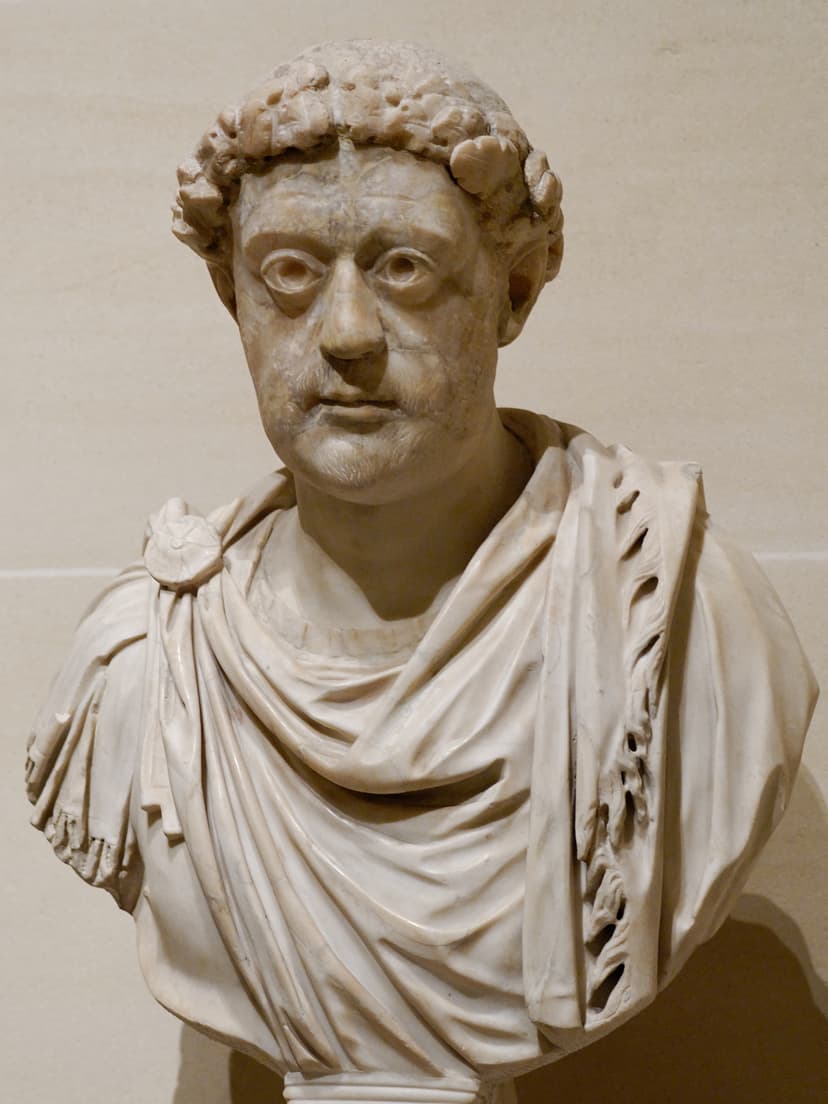
Leo I the Thracian
Leo I the Thracian was the Eastern Roman emperor from 457 to 474, known for his military and political ambitions aimed at aiding the Western Roman Empire. He was the first Eastern Emperor to legislate in Koine Greek and is commemorated as a saint in the Eastern Orthodox Church.
Marcianus
Marcian was a Roman emperor of the East from 450 to 457. He is remembered for reversing many of his predecessor's policies, notably ending tribute payments to the Huns and convening the Council of Chalcedon, which defined Christology. His reign saw a treasury surplus despite previous economic ruin.