
Leo I the Thracian
January 20·5th century·Byzantine Empire
Leo I the Thracian was the Eastern Roman emperor from 457 to 474, known for his military and political ambitions aimed at aiding the Western Roman Empire. He was the first Eastern Emperor to legislate in Koine Greek and is commemorated as a saint in the Eastern Orthodox Church.
Key Facts
- ›Born around 401 to a Thraco-Roman family in Dacia Aureliana or Thracia.
- ›Rose through the ranks of the Roman army to become comes rei militaris.
- ›His coronation in 457 was the first to incorporate a Christian element into the traditional Roman procedure.
- ›Made an alliance with the Isaurians, leading to the marriage of his daughter to their leader, Zeno.
- ›Appointed Anthemius as Western Roman emperor in 467 and led an unsuccessful expedition against the Vandals in 468.
- ›Issued an edict in 472 against pagan sacrifices on imperial lands.
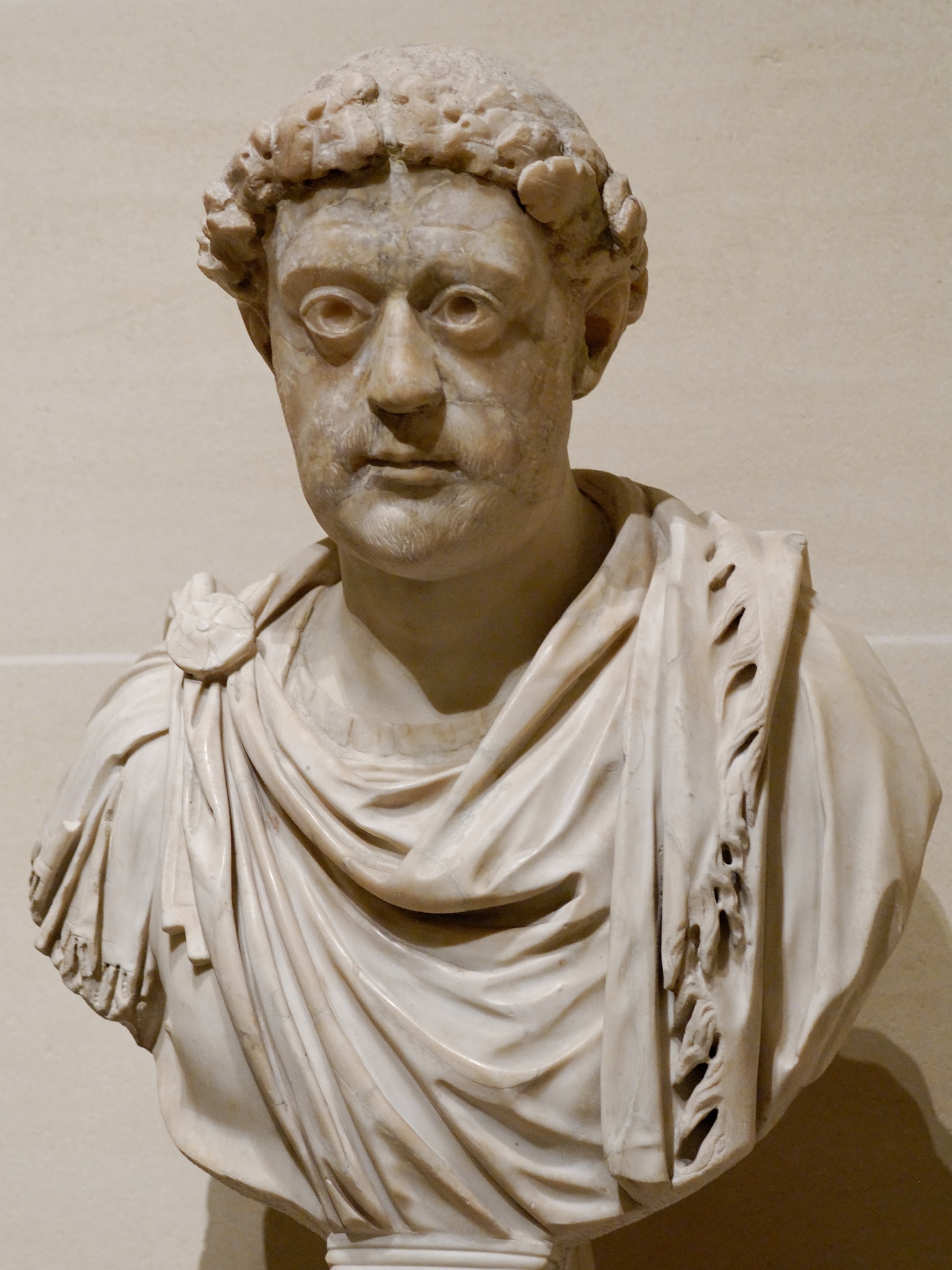
Leo the Thracian, Leo Magnus
About Leo I the Thracian
Leo I the Thracian (c. 401 – January 18, 474), also known as Leo the Great, was the Eastern Roman emperor from 457 to 474. A native of Dacia Aureliana near Thrace, he was of Thraco-Roman descent. His 17-year reign was marked by significant political and military initiatives, largely focused on supporting the declining Western Roman Empire and attempting to reclaim its territories. Leo I is notable for being the first Eastern Emperor to enact legislation in Koine Greek, moving away from the traditional Late Latin.
Life and Reign
Leo rose through the ranks of the Roman army, eventually becoming comes rei militaris. He was placed on the throne by Aspar, the army's commander-in-chief, who expected to control him. However, Leo proved to be an independent ruler, leading to Asp's eventual assassination.
His coronation on February 7, 457, was a pivotal moment, introducing a Christian element to the imperial ceremony. Following his initial crowning, he proceeded to Hagia Sophia, where the Patriarch of Constantinople placed the crown upon his head, signifying the transformation of Roman imperial traditions into Christian ones. This ritual influenced subsequent European coronations.
Leo's reign involved complex alliances, notably with the Isaurians, which allowed him to eliminate Aspar. The price of this alliance was the marriage of his daughter Ariadne to Tarasicodissa, who later became Emperor Zeno. Leo also faced challenges from barbarian incursions, including the Ostrogoths and Huns, though Constantinople's reinforced walls protected the capital.
In a significant move to bolster the Western Roman Empire, Leo appointed Anthemius as its emperor in 467. He followed this with a large-scale expedition against the Vandals in 468, which ended in a costly defeat due to poor leadership. This disaster significantly depleted the empire's resources.
Leo issued an edict in 472 aimed at suppressing paganism, stipulating severe penalties for those who permitted pagan sacrifices on their land.
Family and Succession
Leo I and his wife Verina had three children. Their eldest daughter, Ariadne, married Zeno and succeeded him as empress. A younger daughter, Leontia, married Marcian, son of Emperor Anthemius, and later led a failed revolt against Zeno.
Leo died of dysentery at the age of 73. He was succeeded by his grandson, Leo II, and then by Zeno.
Legacy
Leo I the Thracian is commemorated as a saint in the Eastern Orthodox Church, with his feast day observed on January 20. His reign marked a crucial period of transition for the Eastern Roman Empire, blending Roman traditions with emerging Christian influence and navigating the complex geopolitical landscape of the late 5th century.
Source: Wikipedia ↗
Frequently Asked Questions
Who was Leo I the Thracian?
Leo I the Thracian was the Eastern Roman emperor from 457 to 474. He was born around 401 to a Thraco-Roman family and rose through military ranks before becoming emperor.
What is Leo I the Thracian remembered for?
He is remembered for his efforts to aid the Western Roman Empire, his adoption of Koine Greek for legislation, and his innovative Christian coronation ceremony. He is also venerated as a saint in the Eastern Orthodox Church.
When did Leo I the Thracian reign?
Leo I the Thracian reigned as Eastern Roman emperor from 457 to 474, a period of 17 years.
What was Leo I's role in the Western Roman Empire?
Leo I appointed Anthemius as Western Roman emperor in 467 and led a large, but ultimately disastrous, expedition against the Vandals in 468 in an attempt to recover lost territories.
What significant change did Leo I make to imperial traditions?
Leo I's coronation in 457 was the first to integrate a Christian element, with the Patriarch of Constantinople placing the crown on his head, symbolizing a shift towards Christian imperial traditions.
How did Leo I address paganism?
In 472, Leo I issued an edict that demoted and confiscated the possessions of high-ranking officers who allowed pagan sacrifices on their land, while lower-ranking offenders faced torture and forced labor.
Related Saints
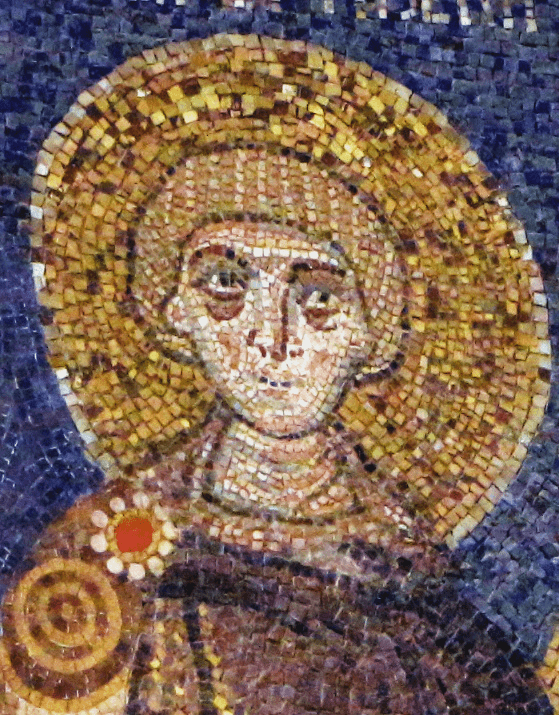
Constantine the Younger
Constantine IV, known as "the Younger," was the Byzantine emperor from 668 to 685. He is primarily remembered for successfully defending Constantinople against the first major Arab siege and for convening the Sixth Ecumenical Council, which ended the Monothelitism controversy. His reign marked a period of stabilization for the Byzantine Empire after years of conflict.
Symeon the New Theologian
Symeon the New Theologian was an Eastern Orthodox monk and poet who was one of only three saints to receive the title "Theologian" from the Eastern Orthodox Church. This title recognized his personal experience of the vision of God, rather than academic theological study. He is chiefly remembered for teaching that humans could and should experience theoria, the direct experience of God, and for freely sharing his own mystical experiences.
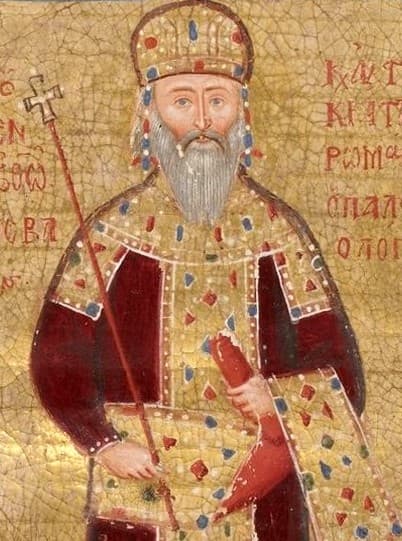
Manuel II Palaiologos
Manuel II Palaiologos was the Byzantine emperor from 1391 to 1425, a period marked by significant Ottoman pressure. He is remembered for his efforts to secure Western European aid against the Ottomans, including personal visits to various European courts, and for his surviving literary works that offer insight into his life and the late Byzantine Empire. Shortly before his death, he became a monk, taking the name Matthaios.