
Luarsab II of Kartli
July 1·17th century·Georgia
Luarsab II of Kartli was a Georgian king who reigned from 1606 to 1615. He is remembered as a saint and martyr for his refusal to convert to Islam, which led to his execution by the Persian shah. His reign was marked by conflicts with the Ottoman and Persian empires, and his eventual surrender was an attempt to save his kingdom from destruction.
Key Facts
- ›Luarsab II reigned as king of Kartli from 1606 to 1615.
- ›He was a member of the Bagrationi dynasty.
- ›He surrendered to Persian shah Abbas I in 1615 to protect his kingdom.
- ›Luarsab refused to convert to Islam while imprisoned.
- ›He was executed by strangling in 1622 on the orders of the shah.
- ›The Georgian Orthodox Church declared him a saint.
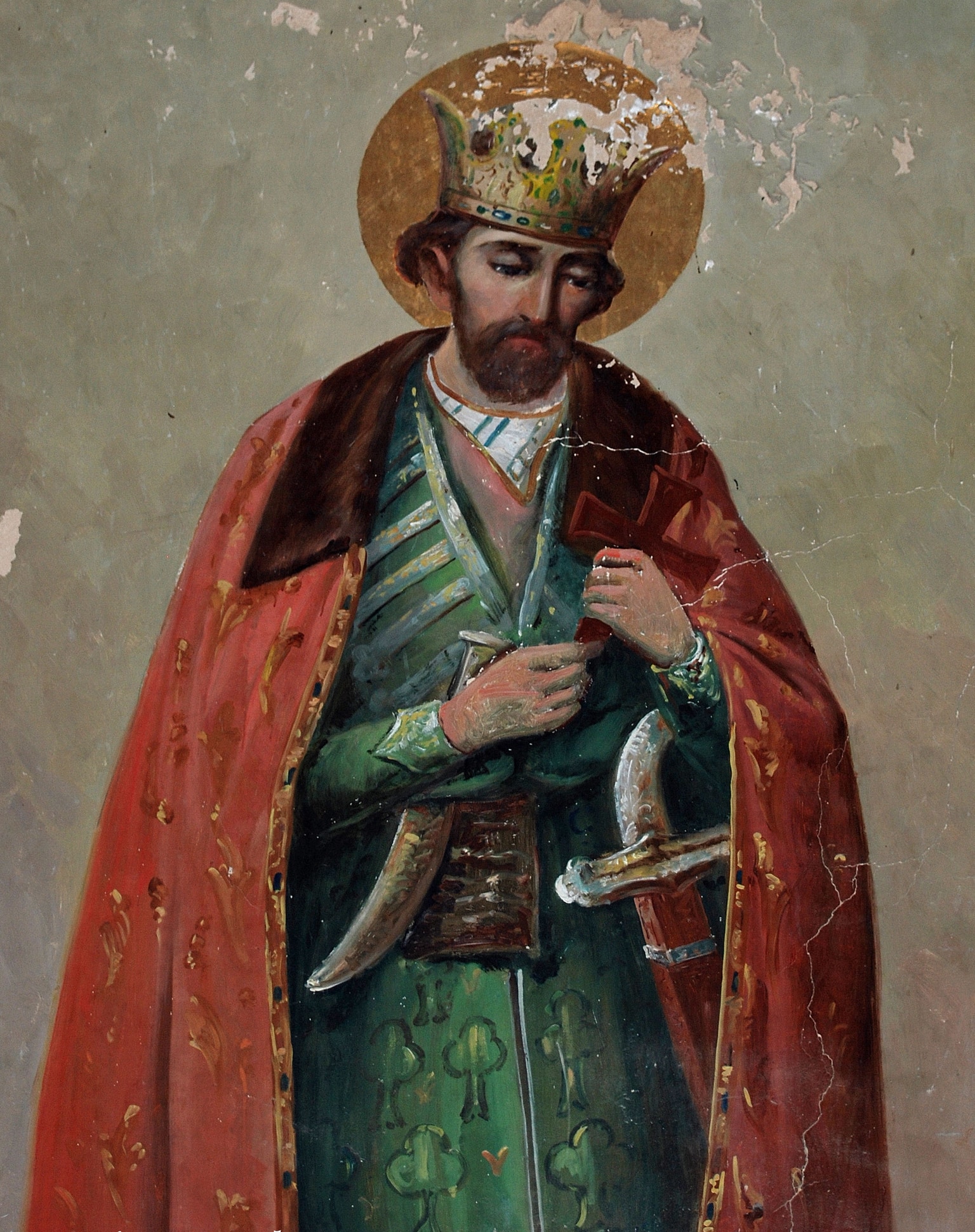
Luarsab II the Holy Martyr
About Luarsab II of Kartli
Luarsab II the Holy Martyr, a member of the Bagrationi dynasty, reigned as the king of Kartli in eastern Georgia from 1606 to 1615. His reign occurred during a tumultuous period marked by the constant threat and influence of the powerful Ottoman and Persian empires.
Life and Historical Context
Ascending the throne at the age of 14 following the death of his father, George X, Luarsab II's early rule was guided by his tutor, Shadiman Baratashvili. He faced significant challenges from both the Ottomans, whose armies were repelled by Georgian general Giorgi Saakadze in 1609, and the Persians under Shah Abbas I. Despite initial confirmations of his kingship by the shah, including a marriage alliance in 1610, tensions escalated. Internal strife, fueled by noble factions, led to the king divorcing his wife, Makrine Saakadze, and exiling her influential brother. This period of instability coincided with increased Persian aggression. By 1614, Persian armies invaded Georgian territories, forcing Luarsab and Teimuraz I of Kakheti to flee to western Georgia.
Surrender and Martyrdom
Faced with the dire threat of his kingdom's complete annihilation, Luarsab II made the difficult decision to surrender himself to Shah Abbas I in October 1615. He hoped this act would secure peace for Kartli. However, upon his capture, he was incarcerated and pressured to convert to Islam. Luarsab steadfastly refused to renounce his Christian faith. Despite efforts by Tsar Michael I of Russia to mediate his release, the negotiations failed. In 1622, Luarsab II was executed by strangulation on the shah's orders in southwestern Iran.
Legacy
The Georgian Orthodox Church recognized Luarsab II's martyrdom and declared him a saint, celebrating his memory on July 1. He is venerated as a holy martyr, remembered for his courageous stand against religious coercion and his sacrifice for the preservation of his kingdom and faith. His story continues to be a significant part of Georgian national and religious identity.
Source: Wikipedia ↗
Frequently Asked Questions
When did Luarsab II reign as king of Kartli?
Luarsab II reigned as king of Kartli from 1606 to 1615. He ascended the throne at the young age of 14 after his father's sudden death.
Why was Luarsab II executed?
Luarsab II was executed in 1622 on the orders of the Persian shah Abbas I. This occurred after Luarsab refused to convert to Islam while held captive.
What led to Luarsab II's surrender to the Persians?
Luarsab II surrendered to Shah Abbas I in October 1615 in an effort to save his kingdom from complete destruction. The Persian empire had threatened Kartli with ruin.
How is Luarsab II remembered today?
Luarsab II is remembered as a saint and martyr by the Georgian Orthodox Church. His memory is celebrated on July 1, the day of his death, for his steadfast faith and sacrifice.
Related Saints
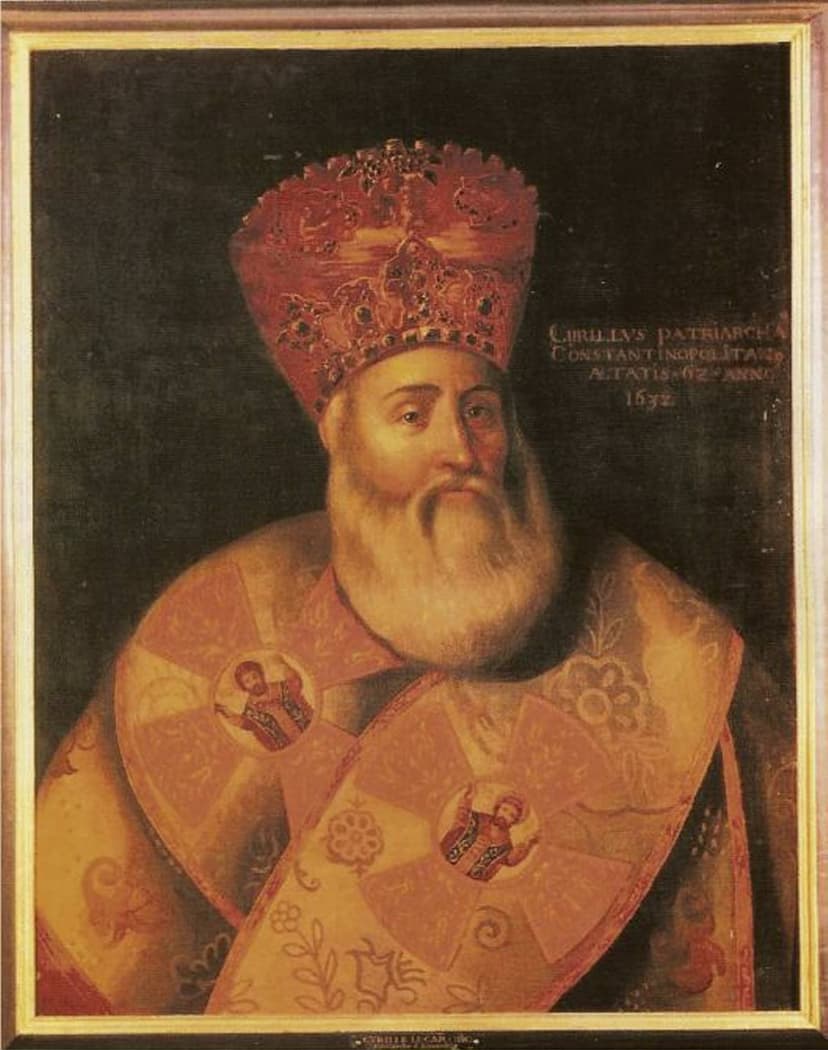
Cyril Lucaris
Cyril Lucaris was a Greek prelate and theologian who served as Patriarch of Alexandria and Ecumenical Patriarch of Constantinople. He is remembered for his attempts to reform the Eastern Orthodox Church along Calvinist lines, a controversial endeavor that led to his condemnation by some synods but later acquittal by others. Cyril Lucaris was eventually martyred, strangled by Janissaries in 1638, and is locally venerated as a hieromartyr.
Benedict of Szkalka
Benedict of Szkalka was a Benedictine monk and hermit venerated as a saint. He lived an austere life in a cave along the Váh River and is chiefly remembered for his piety and his martyrdom at the hands of robbers.
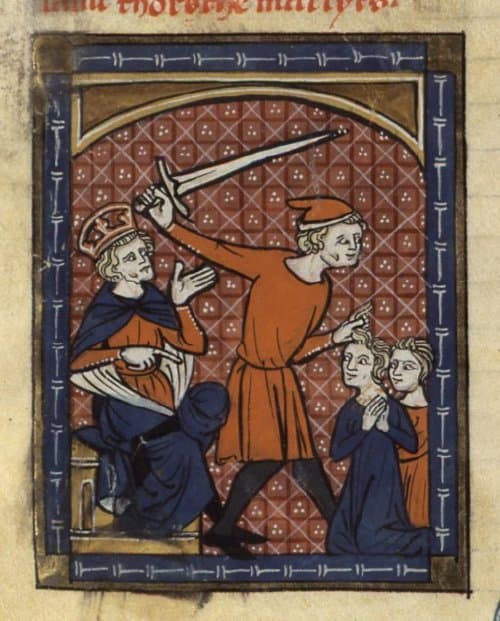
Gorgonius of Nicomedia
Gorgonius of Nicomedia was a Christian martyr who lived during the Diocletianic Persecution in AD 304. He held a high position in the emperor's household and was tortured and strangled for his faith alongside Peter Cubicularius and Dorotheus. He is remembered for his martyrdom and the subsequent veneration of his relics.