
Lazarus of Bethany
Lazarus of Bethany is a figure from the New Testament, most famously known for being raised from the dead by Jesus four days after his entombment. This miracle, recounted in the Gospel of John, is considered a pivotal sign of Jesus' power over death and is a central event in Christian theology. Later traditions venerate him as the first bishop of Kition (Larnaca) in Cyprus and also as the first bishop of Marseille in Provence.
Key Facts
- ›Lazarus was the brother of Mary and Martha, who lived in Bethany.
- ›Jesus raised Lazarus from the dead four days after his burial.
- ›The raising of Lazarus is the last of Jesus' miracles before his crucifixion in the Gospel of John.
- ›Many witnesses to the miracle believed in Jesus as a result.
- ›Eastern Orthodox tradition states Lazarus became the first bishop of Kition (Larnaca), Cyprus.
- ›Catholic tradition associates him with being the first bishop of Marseille, France.
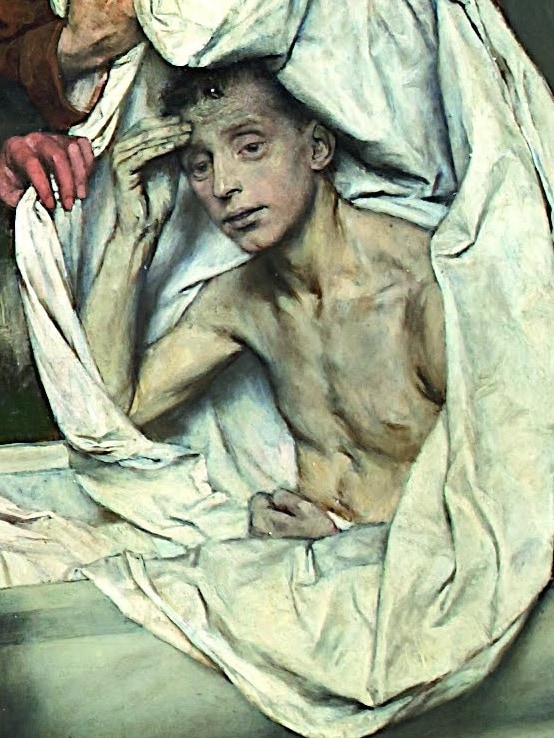
Righteous Lazarus, the Four-Days Dead
About Lazarus of Bethany
Lazarus of Bethany is a central figure in the New Testament, renowned for the miracle of his resurrection by Jesus Christ, as detailed in the Gospel of John. He is presented as a close friend of Jesus, residing in Bethany with his sisters Mary and Martha. The Gospel narrative describes Jesus' deliberate delay in responding to the sisters' plea for his healing, allowing Lazarus to die and be entombed for four days. Upon Jesus' arrival, he wept at the tomb before calling Lazarus forth, still wrapped in his grave cloths, thus demonstrating his power over death.
Life and Historical Context
The raising of Lazarus is positioned in the Gospel of John as the climactic "sign" of Jesus' ministry, occurring shortly before his Passion. This miracle served as a powerful testament to Jesus' divine authority, leading many witnesses to believe in him. However, it also intensified the opposition from religious authorities, who feared the growing popularity of Jesus and saw Lazarus as a threat. Some scholars suggest the Gospel of John assumes prior knowledge of Lazarus, Mary, and Martha from oral traditions, weaving them into a theological narrative.
Theological Significance and Traditions
Theologically, the resurrection of Lazarus is interpreted as a prefiguration of Jesus' own resurrection and a symbol of the general resurrection of the dead. The name "Lazarus" itself, derived from the Hebrew Eleazar, means "God has helped." While the biblical account ends with Lazarus' return to earthly life, later Christian traditions have developed extensive narratives about his post-resurrection life. The Eastern Orthodox Church venerates him as "Righteous Lazarus, the Four-Days Dead" and tradition holds that he evangelized Cyprus, becoming the first bishop of Kition (modern-day Larnaca). Similarly, Catholic tradition associates him with being the first bishop of Marseille in Provence, France.
Legacy and Veneration
The tomb of Lazarus in Bethany remains a significant pilgrimage site, with a history of Christian churches built upon it, now housing the al-Uzair Mosque. The Church of Saint Lazarus in Larnaca, Cyprus, is built over his traditional burial place and houses relics believed to be his. The name Lazarus has entered common parlance, symbolizing a return from a state of apparent oblivion or extinction, as seen in the scientific term "Lazarus taxon."
Source: Wikipedia ↗
Frequently Asked Questions
Who was Lazarus of Bethany?
Lazarus of Bethany was a follower of Jesus, the brother of Mary and Martha, who lived in the town of Bethany. He is primarily known from the Gospel of John for being raised from the dead by Jesus.
What is the significance of the raising of Lazarus?
The raising of Lazarus is considered one of Jesus' most significant miracles, demonstrating his power over death. It is the last of the "signs" in the Gospel of John and is seen as a pivotal event that leads to Jesus' crucifixion.
Why did Jesus wait four days to raise Lazarus?
According to theological interpretations, Jesus waited four days to ensure it was clear Lazarus was truly dead, thereby making the miracle more profound and a stronger testament to his divine power and the resurrection.
What happened to Lazarus after he was raised?
While the Bible does not mention Lazarus after the supper in Bethany, later traditions in the Eastern Orthodox Church state that he fled Judea and became the first bishop of Kition (Larnaca) in Cyprus. Catholic traditions associate him with being the first bishop of Marseille in Provence.
Is there a specific feast day for Lazarus?
Lazarus is commemorated in the Eastern Orthodox Church on Lazarus Saturday, the day before Palm Sunday. Catholic tradition does not assign a specific feast day to Lazarus of Bethany, though he is venerated.
Where is the tomb of Lazarus located?
The reputed tomb of Lazarus is located in Bethany (Al-Eizariya) in the West Bank, Palestine. It has been a site of pilgrimage for centuries, with various churches and a mosque built on the site over time.
Related Saints
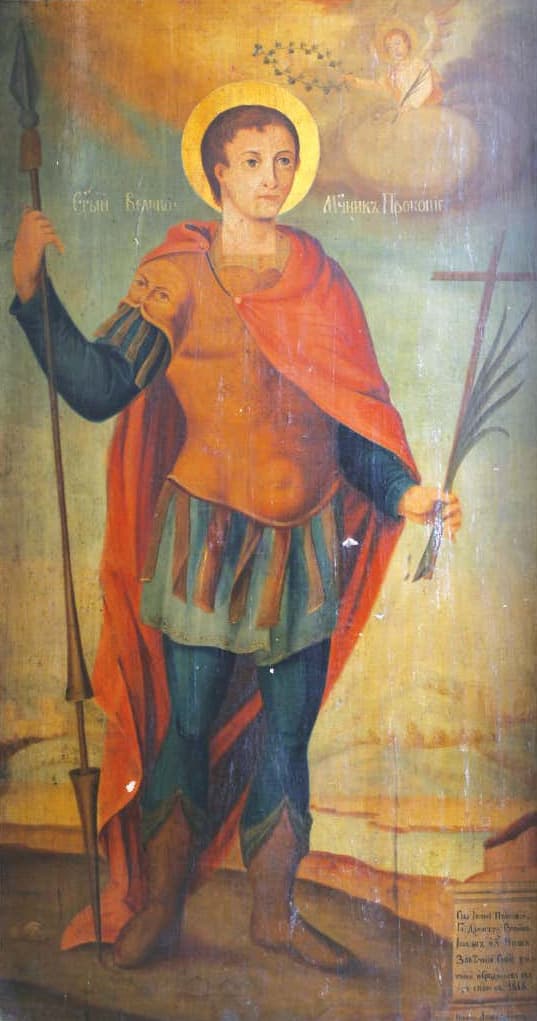
Procopius of Scythopolis
Procopius of Scythopolis was a 4th-century martyr venerated for his asceticism and theological learning. He served as a reader and exorcist in the church at Scythopolis during the persecution under Emperor Diocletian. Procopius is chiefly remembered for his martyrdom by beheading in Caesarea Maritima, as documented by Eusebius of Caesarea.

Justus of Eleutheropolis
Joseph Barsabbas, also known as Justus of Eleutheropolis or Joseph the Just, was a candidate for the apostolate after Judas Iscariot's betrayal. Though not chosen by lot to replace Judas, he remained a follower of Jesus. Tradition holds that he later became a bishop and martyr at Eleutheropolis.
Nilus of Palestine
Nilus of Palestine was an early Christian martyr and an Egyptian bishop. He is remembered for leading Mass for Christians condemned to work in Palestinian quarries during the Diocletianic Persecution. For this act, he was burned alive by order of Emperor Galerius.