
Procopius of Scythopolis
July 8·4th century·Palestine
Procopius of Scythopolis was a 4th-century martyr venerated for his asceticism and theological learning. He served as a reader and exorcist in the church at Scythopolis during the persecution under Emperor Diocletian. Procopius is chiefly remembered for his martyrdom by beheading in Caesarea Maritima, as documented by Eusebius of Caesarea.
Key Facts
- ›Procopius was a reader and exorcist in the church at Scythopolis.
- ›He was known as an ascetic and an erudite theologian.
- ›His martyrdom occurred during the persecution of Emperor Diocletian.
- ›Eusebius of Caesarea documented his life and martyrdom.
- ›Historical accounts state he was born in Jerusalem but lived in Scythopolis.
- ›He was sent from Scythopolis to Caesarea Maritima where he was decapitated.
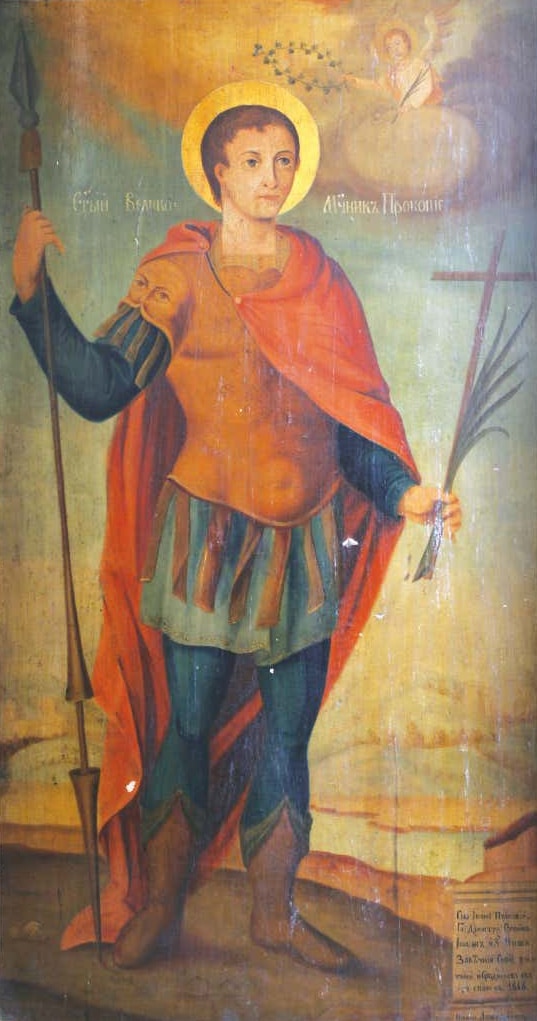
Neanias
Prokuplje, Serbia
Cross
About Procopius of Scythopolis
Procopius of Scythopolis (died July 7, AD 303) was a 4th-century Christian martyr venerated for his spiritual devotion and theological knowledge. Historical accounts, notably by Eusebius of Caesarea, describe him as a learned ascetic who served as a reader and exorcist in the church of Scythopolis. He was martyred during the intense persecutions initiated by the Roman Emperor Diocletian.
Life and Martyrdom
Eusebius of Caesarea, the primary source for Procopius's life, states that he was born in Jerusalem but established his life and ministry in Scythopolis. There, he held multiple ecclesiastical roles, including reader and interpreter in the Syriac language, and was known for his ability to cure those possessed by evil spirits. According to Eusebius, Procopius and his companions were sent from Scythopolis to Caesarea Maritima, where they were executed by beheading.
Veneration and Legacy
Procopius's martyrdom was recorded in various translations of Eusebius's account. While historical records emphasize his role as a theologian and church official, later legendary traditions presented contradictory narratives, sometimes portraying him as a soldier or even a prince. Despite these divergent accounts, his veneration spread. St. Bede included him in his calendar of saints, and his name was added to the Roman Martyrology, with his feast day observed on July 8. Chapels and churches were dedicated in his honor in Scythopolis, Caesarea Maritima, and Constantinople. His relics were eventually translated to the Church of Saint Michael in Antioch, Syria. Procopius is also recognized as the patron saint of Prokuplje, Serbia, and is commemorated in the marriage dismissal rites of the Eastern Orthodox Church.
Source: Wikipedia ↗
Frequently Asked Questions
Who was Procopius of Scythopolis?
Procopius of Scythopolis was a 4th-century martyr, known for his asceticism and theological learning. He served as a reader and exorcist in the church at Scythopolis and was martyred during the persecution under Emperor Diocletian.
Where did Procopius live and die?
Procopius was born in Jerusalem but lived in Scythopolis. He was later sent to Caesarea Maritima, where he was martyred. Numerous churches were dedicated in his honor in these regions and in Constantinople.
What is Procopius of Scythopolis remembered for?
He is remembered for his martyrdom, his role as a reader and exorcist, and his reputation as an ascetic and learned theologian. His martyrdom was documented by Eusebius of Caesarea.
When was Procopius of Scythopolis martyred?
Procopius of Scythopolis died on July 7, AD 303, during the persecution of Christians under the Roman Emperor Diocletian.
Are there any legends about Procopius of Scythopolis?
Later legendary accounts, which contradict historical records, claim he was a soldier, a Persian, or a prince. One myth suggests he defeated thousands of invaders by showing them a cross.
Related Saints
Pamphilus of Caesarea
Pamphilus of Caesarea was a prominent priest and biblical scholar of the late 3rd and early 4th centuries. A devoted follower of Origen, he is remembered for his scholarly work, particularly his collaboration with Eusebius of Caesarea on an apology for Origen's teachings. He ultimately suffered martyrdom during the Diocletianic persecution.

Justus of Eleutheropolis
Joseph Barsabbas, also known as Justus of Eleutheropolis or Joseph the Just, was a candidate for the apostolate after Judas Iscariot's betrayal. Though not chosen by lot to replace Judas, he remained a follower of Jesus. Tradition holds that he later became a bishop and martyr at Eleutheropolis.
Elias of Palestine
Elias of Palestine was an early Christian martyr and priest. He is remembered for leading Mass for persecuted Christians in Palestinian quarries during the Diocletianic Persecution. For this, he was burned alive by order of Emperor Galerius.