
Julius the Veteran
May 27·4th century·Bulgaria
Saint Julius the Veteran was a Roman soldier who served for 27 years and participated in seven military campaigns. He is venerated as a Christian martyr for refusing to renounce his faith and make a public sacrifice to Roman gods, a decision that led to his execution by the sword in Durostorum. Julius is remembered for his steadfast devotion and martyrdom during the Diocletian Persecution.
Key Facts
- ›Julius the Veteran served as a Roman soldier for 27 years, including seven military campaigns.
- ›He was arrested for refusing to make a public sacrifice to the Roman gods.
- ›Despite an offer of freedom and reward, Julius declined to renounce his Christian faith.
- ›He was sentenced to death and killed by the sword in Durostorum.
- ›His execution took place between January and March of 304 AD.
- ›Julius is widely considered a martyr and is venerated in several Christian traditions.
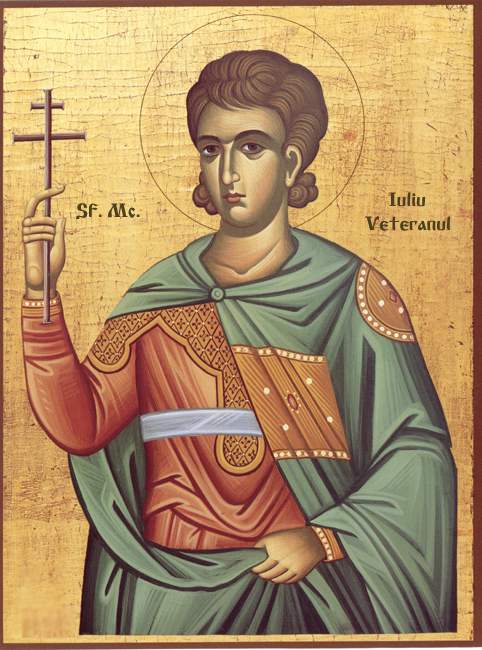
Julius, Julius of Durostorum, Julius von Dorostorum
About Julius the Veteran
Saint Julius the Veteran, also known as Julius of Durostorum, is a Christian martyr revered in the Eastern Orthodox Church, Roman Catholic Church, and the Church of England. His feast day is observed on May 27.
Life and Historical Context
Born to pagan parents, the exact date of Julius' conversion to Christianity remains unknown. He served as a Roman soldier for 27 years, progressing from a conscript to a veteran and undertaking seven military campaigns. Historical analysis suggests he likely served in Legio XI Claudia and was a Christian throughout his military service.
During the Diocletian Persecution, Julius was arrested for refusing to make a public sacrifice to the Roman gods, an act mandated by the fourth edict of persecution. He was brought to trial before the prefect Maximus. Recognizing Julius' long and distinguished military career, Maximus attempted to persuade him to comply, offering him freedom, a significant bonus payment, and immunity from future charges. Maximus even offered to take responsibility for the sacrifice himself, seeking to absolve Julius of any perceived sin.
However, Julius steadfastly declined the offer, remaining true to his Christian faith. Consequently, he was sentenced to death and was executed by the sword in Durostorum, located in Moesia Inferior (modern Silistra, Bulgaria). His death occurred sometime between January and March of 304 AD.
Veneration and Legacy
Julius the Veteran is widely recognized as a martyr. His refusal to compromise his faith under severe persecution has made him an enduring figure of devotion. His veneration spans across several major Christian traditions, attesting to the significance of his witness.
Important Relationships
- Maximus: The prefect who presided over Julius' trial and offered him a way to escape execution. Maximus recognized Julius' military service and attempted to persuade him to recant his faith.
Source: Wikipedia ↗
Frequently Asked Questions
Who was Julius the Veteran?
Julius the Veteran was a Roman soldier who lived during the time of the Diocletian Persecution. He is venerated as a saint and martyr for his unwavering commitment to Christianity.
Why is Julius the Veteran considered a martyr?
He is considered a martyr because he was executed for refusing to renounce his Christian faith and make a public sacrifice to the Roman gods. His death by the sword was a direct consequence of his religious convictions.
What was Julius the Veteran's military service like?
Julius served as a Roman soldier for 27 years, participating in seven military campaigns. He was a Christian throughout his entire military career.
Where and when did Julius the Veteran die?
Julius died by the sword in Durostorum, a Roman camp in Moesia Inferior (modern Silistra, Bulgaria). His execution occurred sometime between January and March of 304 AD.
What offer was made to Julius the Veteran?
The prefect Maximus offered Julius freedom, a ten-year bonus payment, and immunity from future charges if he would perform the public sacrifice. Maximus even proposed to take blame for the act himself.
Related Saints
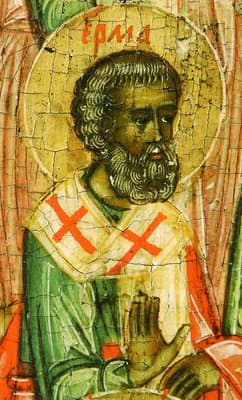
Hermas of Philippopolis
Hermas of Philippopolis was one of the Seventy Disciples and served as bishop in Philippopolis in Thrace. He is remembered for his fall into poverty due to sin and his sons' transgressions, leading to his repentance and the writing of "The Shepherd of Hermas." He ultimately died as a martyr.
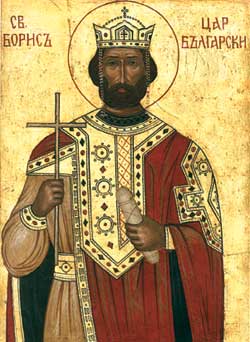
Boris I of Bulgaria
Boris I, also known as Saint Boris I, was the ruler of the First Bulgarian Empire from 852 to 889. He is chiefly remembered for the Christianization of Bulgaria in 864, which abolished paganism and significantly shaped Bulgarian and European history. Boris I was also instrumental in securing an autocephalous Bulgarian Church and providing refuge to the disciples of Saints Cyril and Methodius, thereby preserving the Glagolitic script and promoting the development of Slavic literature.
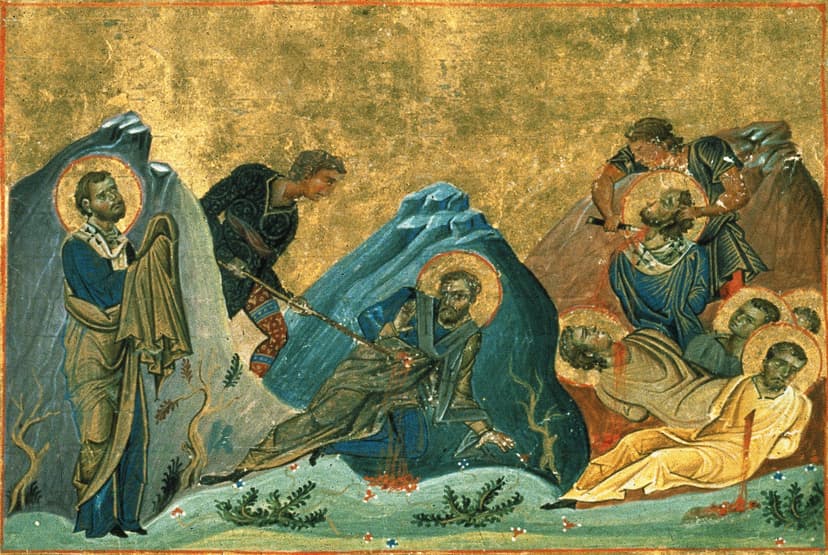
Ampliatus
Ampliatus was a Roman Christian mentioned by the Apostle Paul in his letter to the Romans. He is venerated as one of the Seventy Disciples in the Eastern Orthodox Church and is traditionally believed to have died a martyr. He is commemorated liturgically on October 31st.