
John the Russian
June 9·18th century·Turkey
John the Russian was a Russian Orthodox slave who lived in 18th-century Turkey. Despite his enslavement, he gained renown among both Christians and Muslims for his profound humility, unwavering faith, and benevolence. He is chiefly remembered for his virtuous life of prayer and service, and for the miracles attributed to him and his relics.
Key Facts
- ›John the Russian was born around 1690 in the Cossack Hetmanate.
- ›He was captured during the Russo-Turkish War and sold into slavery in Cappadocia.
- ›Despite mistreatment, John's steadfast faith and humility earned him the respect of his master.
- ›A miracle involving a dish of pilau sent to Mecca is attributed to him.
- ›His relics are believed to be incorrupt and wonderworking.
- ›Traditions suggest he particularly aids sick children and those suffering from cancer.
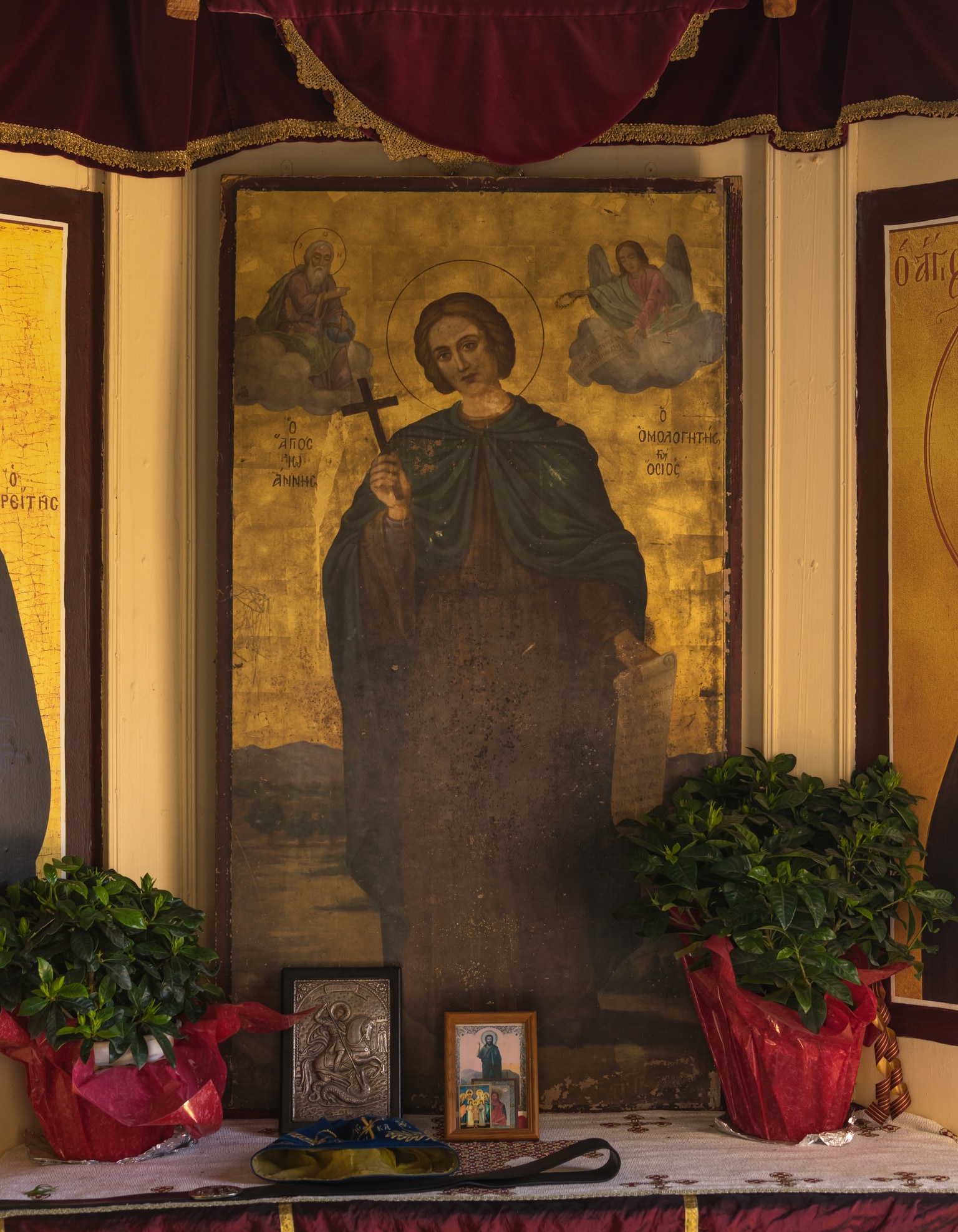
Ioann Russkiy
Sick Children, Cancer Sufferers
Apple
About John the Russian
John the Russian (c. 1690 – June 9, 1730) was a Russian Orthodox slave venerated as a saint, particularly within the Eastern Orthodox Church. His life story is one of remarkable spiritual fortitude and compassion amidst hardship.
Early Life and Captivity
Born in the Cossack Hetmanate around 1690, John later served in the army of Peter the Great. During the Russo-Turkish War, he was taken prisoner and sold into slavery to a Turkish Ağa in Ürgüp, Cappadocia (modern-day Turkey). Initially subjected to humiliation and torment for his Christian faith, John's unwavering steadfastness and gentle demeanor gradually transformed the attitude of his captors.
Life of Faith and Service
John worked diligently as a groom, living in the stables, and endured the mockery of other slaves with grace. His kindness and diligence so impressed his master that he was offered freedom and a separate home, which John humbly refused, believing his enslavement was part of God's plan for his salvation. He dedicated his life to prayer, strict fasting, and secretly receiving Holy Communion, even as he served his master with care. A significant miracle attributed to him involved a dish of pilau that miraculously appeared in Mecca for his master while John was still in Turkey, solidifying his reputation as a holy man.
Veneration and Legacy
John the Russian died in 1730 and was buried in the Church of St. George in Ürgüp. His tomb quickly became a site of pilgrimage, with his relics revered for their wonderworking properties. When Greeks were expelled from Turkey in 1924, his relics were transferred to their new home in Prokopi on the island of Euboea, Greece, where they remain. His legacy is honored through churches dedicated to him, notably in Moscow and Novosibirsk, Russia, and through the ongoing traditions of his intercession for the sick, especially children and those with cancer.
Source: Wikipedia ↗
Frequently Asked Questions
Where was John the Russian born and when?
John the Russian was born around 1690 in the Cossack Hetmanate, which was part of the Russian Tsardom at the time.
How did John the Russian become a slave?
He was captured during the Russo-Turkish War (1710–1711) and subsequently sold as a slave to the head of the Ottoman cavalry.
Why did John the Russian gain respect from his captors?
Despite initial mockery for his faith, John's steadfastness, humility, diligence, and benevolence eventually earned him the deep respect of his Muslim master and household.
What is the miracle associated with John the Russian and Mecca?
While his master was on the Hajj pilgrimage to Mecca, his wife mentioned how much he would enjoy a particular dish of pilau. John promised to send it to Mecca, and his master later reported finding a steaming plate of the same dish in his locked room.
Where are John the Russian's relics kept?
Following the expulsion of Greeks from Turkey, his relics were taken to the Church of St. John the Russian in Prokopi on the island of Euboea, Greece. His right hand is preserved at the Russian Monastery of St. Panteleimon on Mount Athos.
What are the traditional patronages of John the Russian?
He is traditionally believed to particularly help sick children and those who suffer from cancer.
Related Saints
Athanasius of Attalia
Athanasius of Attalia was a Christian Neomartyr from Smyrna in the 17th century. He is remembered for his courageous defense of the Christian faith in a religious dispute, which led to his condemnation and execution. His martyrdom serves as an example of unwavering faith in the face of persecution.
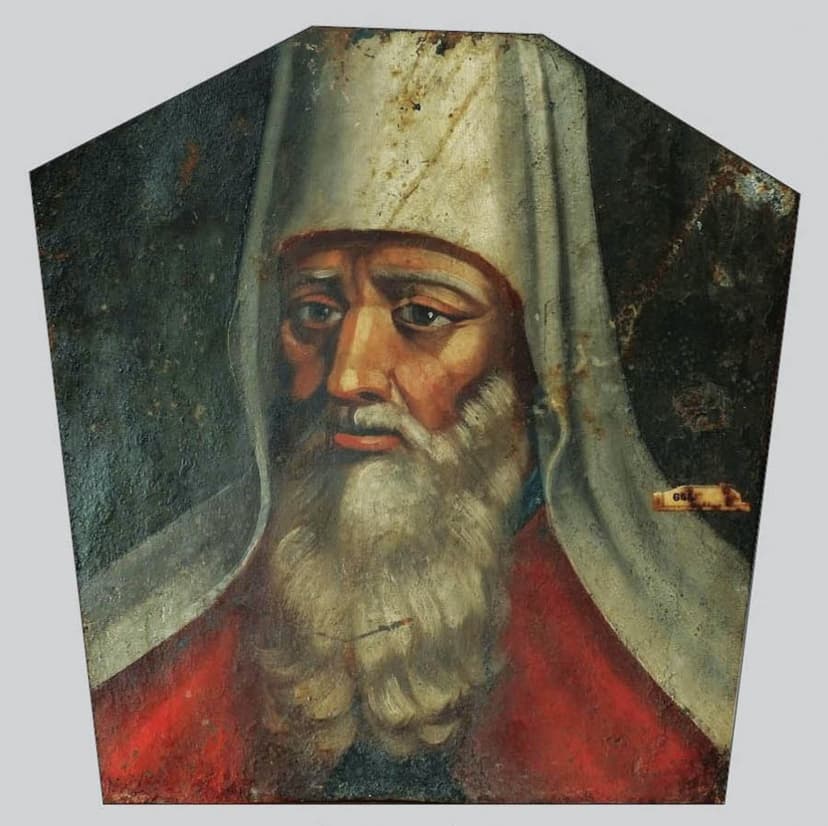
John of Tobolsk
John of Tobolsk was a Ukrainian Cossack-born clergyman who served as the Russian Orthodox archbishop of Chernigov and later metropolitan of Tobolsk and all Siberia. He is remembered for his theological writings, particularly "Iliotropion," and for his missionary and educational work in Siberia. Officially canonized by the Russian Orthodox Church in 1916, he is venerated for his spiritual leadership and the miracles attributed to him.
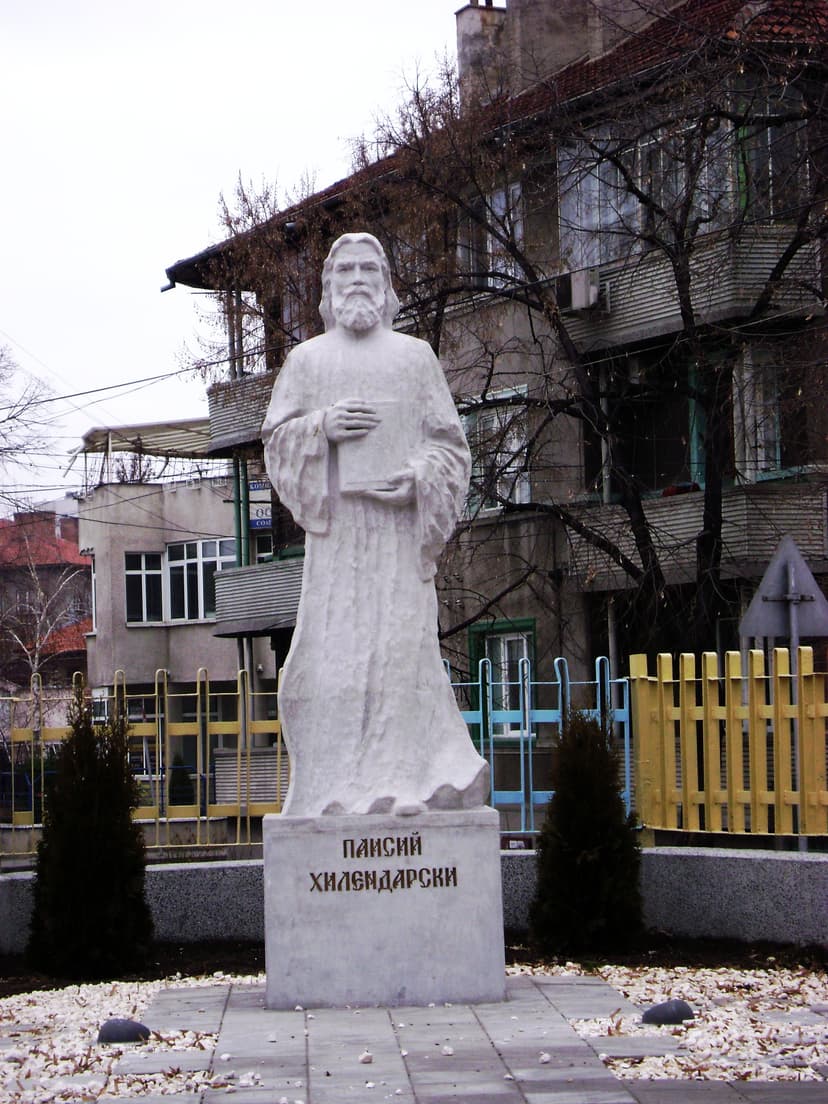
Paisius of Hilendar
Paisius of Hilendar was a Bulgarian Orthodox clergyman and a pivotal figure in the Bulgarian National Revival. He is primarily remembered as the author of "Istoriya Slavyanobolgarskaya" (Slaveno-Bulgarian History), the first significant modern Bulgarian history, which aimed to awaken and strengthen Bulgarian national consciousness. His work is credited with inspiring Bulgarians to embrace their heritage and resist Hellenization.