
John the Dwarf
October 17·5th century·Egypt
John the Dwarf was a Coptic Desert Father of the early Christian church, known for his profound obedience and life of austerity. He is chiefly remembered for a legend where he diligently watered a dry piece of wood for three years until it grew into a fruitful tree, demonstrating the power of obedience. John founded a monastery in the desert of Scetes and served as its abbot.
Key Facts
- ›John the Dwarf was born in Thebes, Egypt, to poor Christian parents.
- ›He became a disciple of Pambo in the desert of Scetes and was a friend of Pishoy.
- ›He was ordained a priest by Pope Theophilus and became abbot of his founded monastery.
- ›John fled the Mazices invasion of Scetes in 395 and moved to Mount Colzim.
- ›He lived on flatbread and vegetables, eating only one meal a day.
- ›He is best known for a legend illustrating his extreme obedience to Pambo.
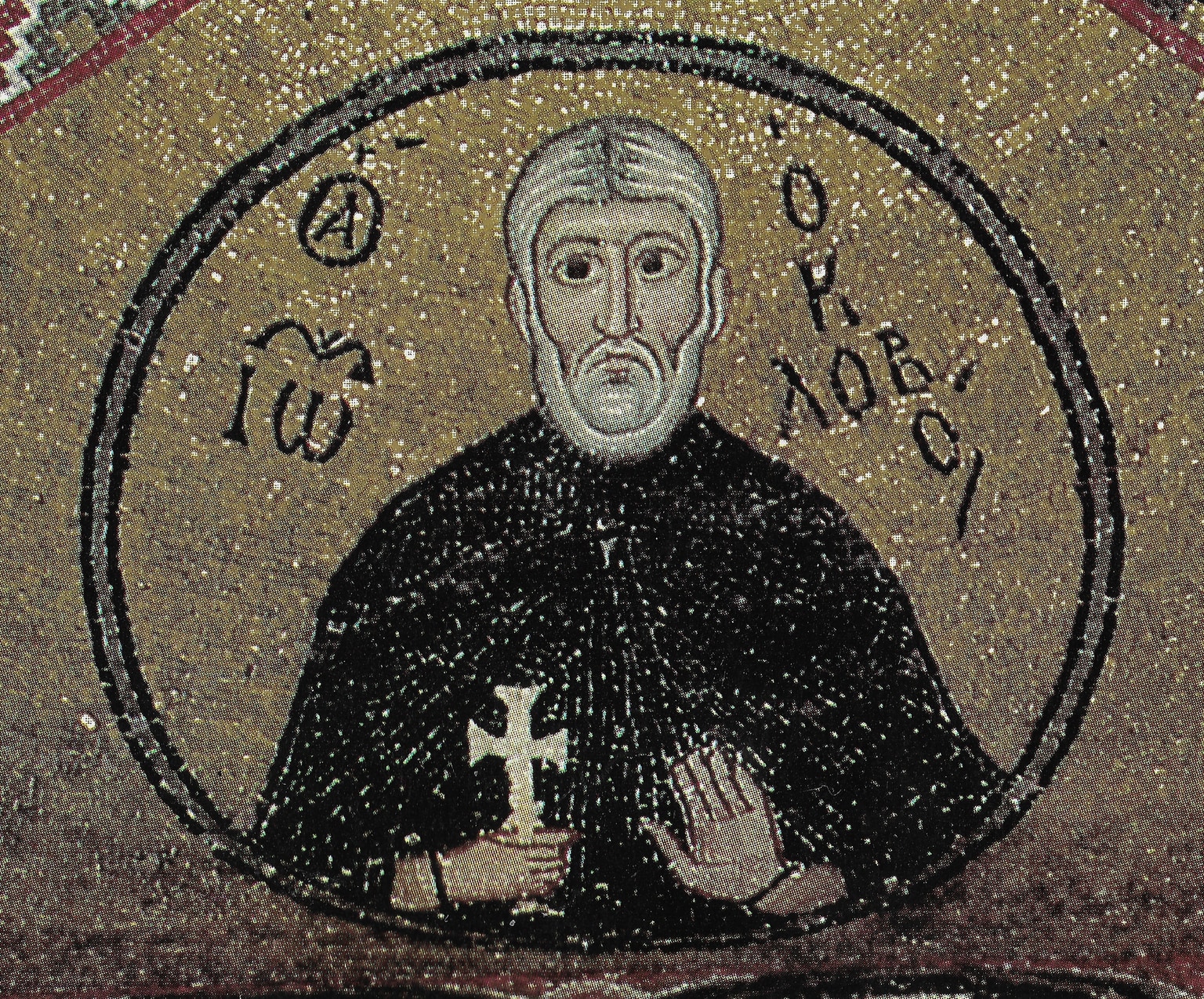
John Colobus, John Kolobos, Abba John the Dwarf, John the Little
Tree of Obedience
About John the Dwarf
John the Dwarf (Greek: Ἰωάννης Κολοβός; c. 339 – c. 405), also known as John Colobus or Abba John the Dwarf, was a prominent Coptic Desert Father of the early Christian church. Born into poverty in Thebes, Egypt, he embraced a life of extreme austerity and spiritual discipline in the desert of Scetes, becoming a disciple of Pambo and a friend to Pishoy.
Life and Ministry
John's life was characterized by rigorous asceticism, including subsisting on flatbread and vegetables and eating only one meal a day. He was ordained a priest by Pope Theophilus and rose to become the abbot of a monastery he founded, known as the Monastery of Saint John the Dwarf, which was situated around a symbolic 'Tree of Obedience.' This tree was the subject of his most famous legend, illustrating the virtue of unwavering obedience.
In 395 CE, John was forced to flee the Nitrian Desert due to an invasion by the Mazices, relocating to Mount Colzim near modern-day Suez, where he eventually died. His relics were later transferred back to the Nitrian Desert in 515 CE.
Legacy and Veneration
John the Dwarf is primarily remembered for his legendary obedience, particularly the story of diligently watering a dry piece of wood for three years until it bore fruit, a testament to the spiritual power of obedience. His life and teachings influenced many monks, including Arsenius the Great. His feast day is observed on October 17 in the Roman Catholic Church, November 9 in the Eastern Orthodox Church, and on 20 Paopi in the Coptic Orthodox Church. The Monastery of Saint John the Dwarf in Scetes remains a significant site of veneration for the Coptic Orthodox Church.
Source: Wikipedia ↗
Frequently Asked Questions
Who was John the Dwarf?
John the Dwarf was an early Coptic Desert Father from Egypt, born around 339 CE. He lived a life of austerity and became known for his profound obedience and his role as a monastic leader.
What is John the Dwarf most famous for?
He is most famous for a legend in which his obedience to his spiritual father, Pambo, involved planting and watering a dry piece of wood for three years until it grew into a fruitful tree. This story highlights the virtue of obedience in early Christian tradition.
Where did John the Dwarf live?
John the Dwarf was born in Thebes, Egypt, and later lived in the desert of Scetes. After an invasion, he fled to Mount Colzim near Suez, before his relics were eventually moved back to the Nitrian Desert.
When is John the Dwarf's feast day?
His feast day is celebrated on different dates depending on the Christian tradition: October 17 in the Roman Catholic Church, 20 Paopi in the Coptic Orthodox Church, and November 9 in the Eastern Orthodox Church.
Did John the Dwarf found a monastery?
Yes, John the Dwarf founded a monastery around the Tree of Obedience in the desert of Scetes and served as its abbot after being ordained a priest.
Related Saints
Lot of Egypt
Abba Lot was an Egyptian Orthodox Christian monk and one of the Desert Fathers who lived in the 4th and 5th centuries near Arsinoe in lower Egypt. He is remembered for his ascetic life, spiritual guidance of many brethren, and opposition to the Origenist heresy. His teachings emphasized the possibility of repentance and the importance of compunction.
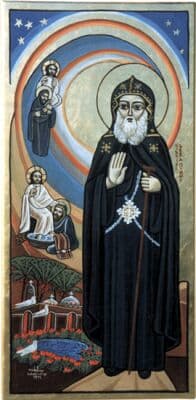
Pishoy
Pishoy, also known as Paisius the Great, was a prominent Coptic Desert Father who lived in Egypt from 320 to 417 AD. He is revered for his asceticism, wisdom, and defense of Orthodox faith against heresies. Copts believe he saw Jesus multiple times and that his body remains incorruptible to this day, preserved at the Monastery of Saint Bishoy.
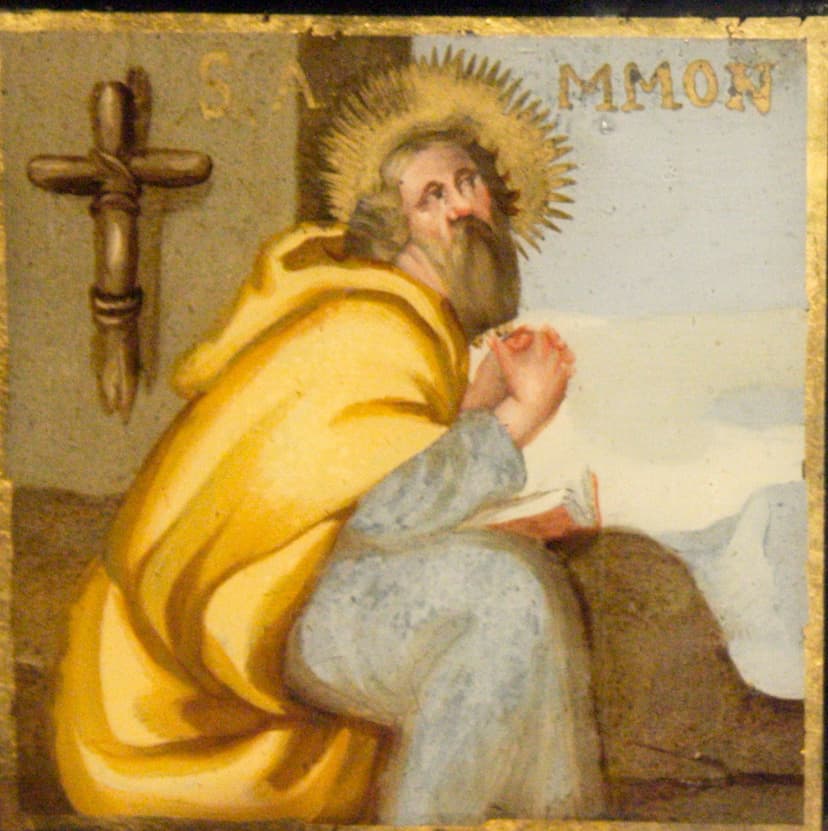
Ammon of Egypt
Ammon of Egypt was a 4th-century Christian ascetic and the founder of one of Egypt's most celebrated monastic communities. He is remembered for his influential role in early monasticism, particularly in the Nitrian Desert, and for his teachings on asceticism. His life and writings inspired many to follow a monastic path.