
Herman of Alaska
November 15·19th century·Alaska
Herman of Alaska was a Russian Orthodox monk and missionary, recognized as the first saint of North America to be canonized by the Orthodox Church. He is remembered for his zealous defense of the native Alaskan populations against the exploitative Russian-American Company and for his devout eremitic life on Spruce Island. His canonization in 1970 solidified his legacy as a spiritual father and protector of the indigenous peoples of Alaska.
Key Facts
- ›Born C. 1756, Herman became a monk at Sarov Monastery and later Valaam Monastery.
- ›He was part of a group of ten monks sent from Valaam to establish a mission in Alaska in 1794.
- ›Herman tirelessly advocated for the rights of the native Kodiak population against the Russian-American Company.
- ›He retired to Spruce Island around 1811-1817 to live a solitary, eremitic life, calling his hermitage 'New Valaam'.
- ›Herman died on November 15, 1837, on Spruce Island.
- ›He was canonized by the Orthodox Church in America and the Russian Orthodox Church Outside of Russia in 1970.
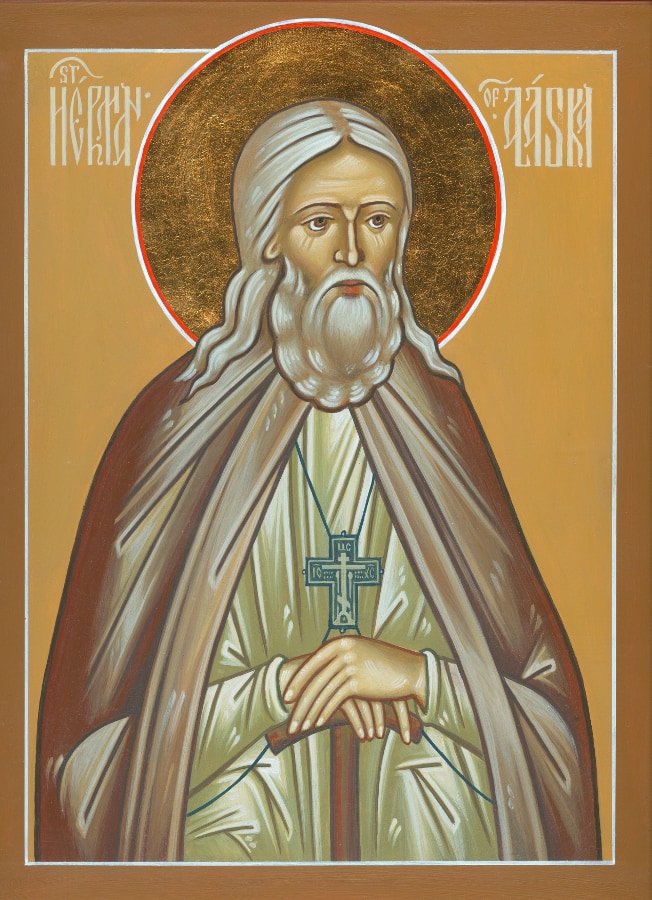
German Alaskinsky
Orthodox Church In America, Russian Orthodox Church Outside of Russia, Eastern Orthodox Church, Anglican Communion
Alaska, Native Alaskans
Cross, Book
About Herman of Alaska
Herman of Alaska (c. 1756 – November 15, 1837), born Egor Ivanovich Popov, was a Russian Orthodox monk and missionary renowned as the first saint from North America to be canonized by the Orthodox Church. His life was dedicated to spiritual devotion and advocating for the rights of the indigenous peoples of Alaska during the era of Russian colonization.
Early Life and Monasticism
Details of Herman's early life are subject to some historical debate. While one account suggests he was born into a merchant family in Serpukhov, modern biographers lean towards testimony indicating he came from a peasant family in the Voronezh Governorate and served in the military before entering monastic life. He began his monastic journey as a novice at Sarov Monastery, later receiving the full tonsure as a monk at Valaam Monastery, where he studied under Abbot Nazarius. Herman initially sought a more solitary life, becoming a hermit with his abbot's blessing, but he declined offers of ordination to the priesthood or leadership of the Russian Orthodox Mission in China, preferring his contemplative path.
Mission in Alaska
In 1794, Herman was among ten monks sent from Valaam to establish a mission in Russian America, arriving on Kodiak Island. The missionaries encountered a harsh reality, with the native Kodiak population subjected to severe mistreatment by the Russian-American Company. Herman distinguished himself through his strong defense of the indigenous people, earning him the disparagement of administrators but the deep respect of the local population. He served in various roles within the mission, including as steward and teacher, before eventually retiring to a more solitary life.
Life on Spruce Island
Around 1811 to 1817, Herman moved to Spruce Island, a location ideal for eremitic life, which he named "New Valaam." Despite his solitary existence, he attracted a following, particularly among the native Alutiiq people, who sought his spiritual guidance and help with disputes. He established a chapel, guesthouse, and school for orphans. Herman's deep love and care for the native Aleuts were evident, especially during an epidemic when he was the only Russian to minister to the sick and dying. He spent the remainder of his life on Spruce Island, where he passed away in 1837.
Sainthood and Legacy
Herman of Alaska was formally canonized by the Orthodox Church in America and the Russian Orthodox Church Outside of Russia on August 9, 1970. His relics are primarily enshrined at Holy Resurrection Cathedral in Kodiak, Alaska, and his burial site on Spruce Island remains a significant pilgrimage destination. His life and work have inspired the establishment of institutions such as Saint Herman's Orthodox Theological Seminary and numerous churches worldwide. The United States Congress officially acknowledged his glorification in 1970, recognizing his profound spiritual influence and dedication to humanity.
Source: Wikipedia ↗
Frequently Asked Questions
Who was Herman of Alaska?
Herman of Alaska was a Russian Orthodox monk and missionary who lived in Alaska during the period of Russian colonization. He is venerated as the first saint of North America canonized by the Orthodox Church, known for his defense of native peoples and his devout monastic life.
Why is Herman of Alaska important?
He is significant for his role as a missionary who actively defended the native Alaskan populations from exploitation by the Russian-American Company. His canonization in 1970 marked a key moment in the history of Orthodoxy in North America.
What is Herman of Alaska remembered for?
Herman is chiefly remembered for his compassion and zeal in protecting the native Alutiiq people from harsh treatment and abuse. He also established a hermitage on Spruce Island, where he lived a life of prayer and solitude, attracting disciples and offering spiritual guidance.
When was Herman of Alaska canonized?
Herman of Alaska was canonized on August 9, 1970, by both the Orthodox Church in America and the Russian Orthodox Church Outside of Russia. His relics were transferred to Holy Resurrection Cathedral in Kodiak, Alaska.
Where are the relics of Herman of Alaska kept?
The major portion of his relics are preserved at Holy Resurrection Cathedral in Kodiak, Alaska. His original burial site on Spruce Island is also an important pilgrimage destination.
Related Saints
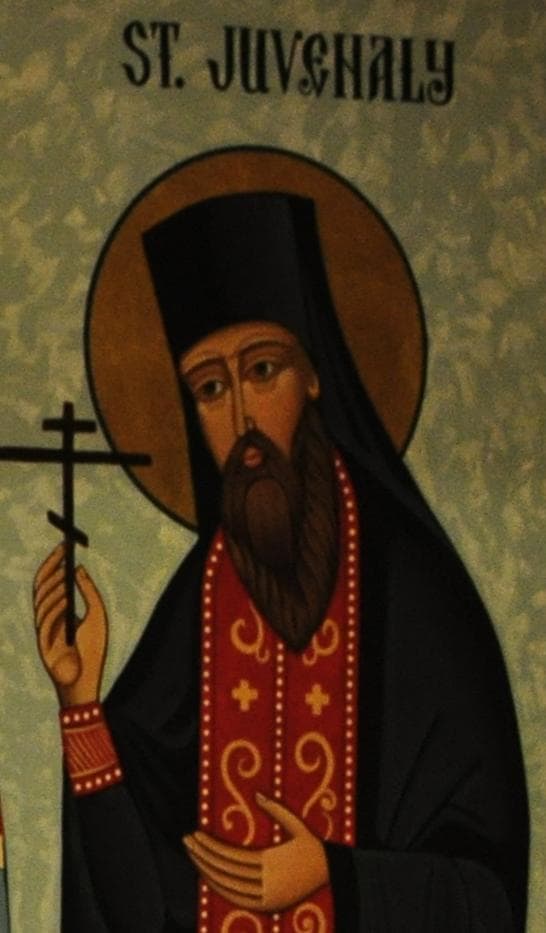
Juvenaly of Alaska
Juvenaly of Alaska, born Yakov Feodorov Govorukhin, was a Russian hieromartyr and one of the first Orthodox missionaries to Alaska. He is remembered for his evangelistic work among the Yupik and Chugach Eskimos and Dena'ina Indians, and for his martyrdom while ministering to unpacified peoples beyond Lake Iliamna. He was canonized by the Eastern Orthodox Church in 1980.
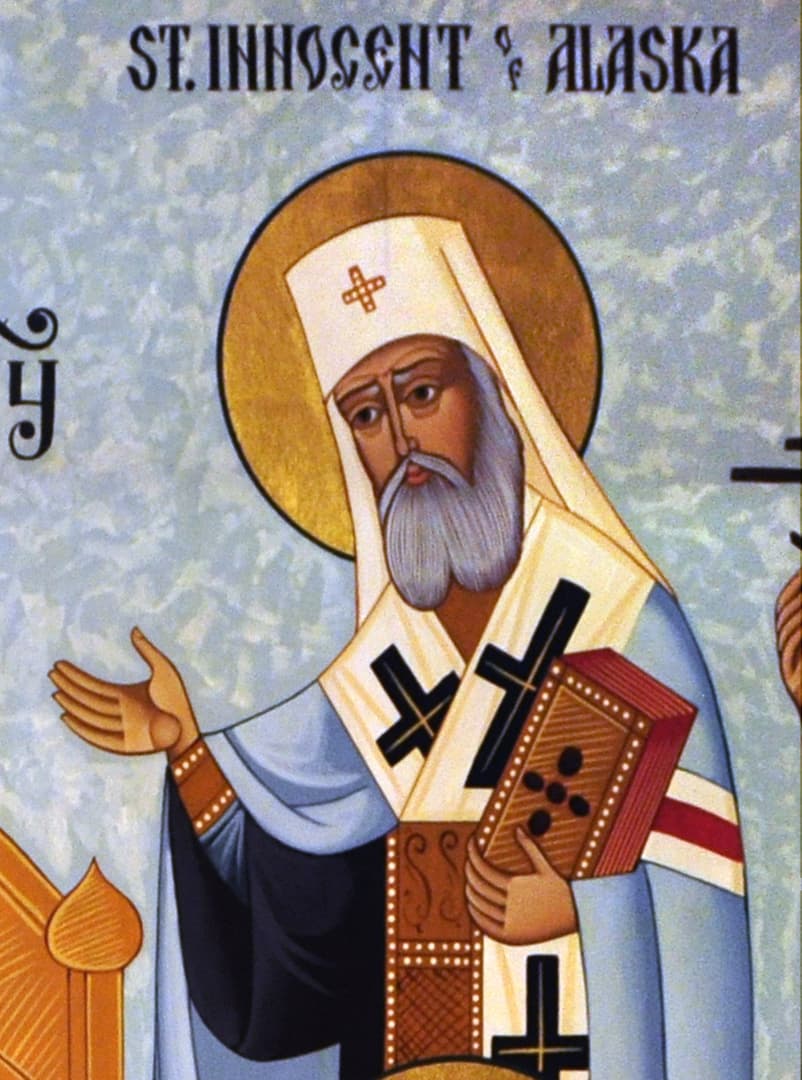
Innocent of Alaska
Innocent of Alaska was a Russian Orthodox missionary priest who became the first Orthodox bishop and archbishop in the Americas, and later the Metropolitan of Moscow. He is primarily remembered for his extensive missionary work, scholarship, and administrative leadership in Alaska and the Russian Far East during the 19th century, particularly for his linguistic abilities and efforts to translate religious texts into indigenous languages.
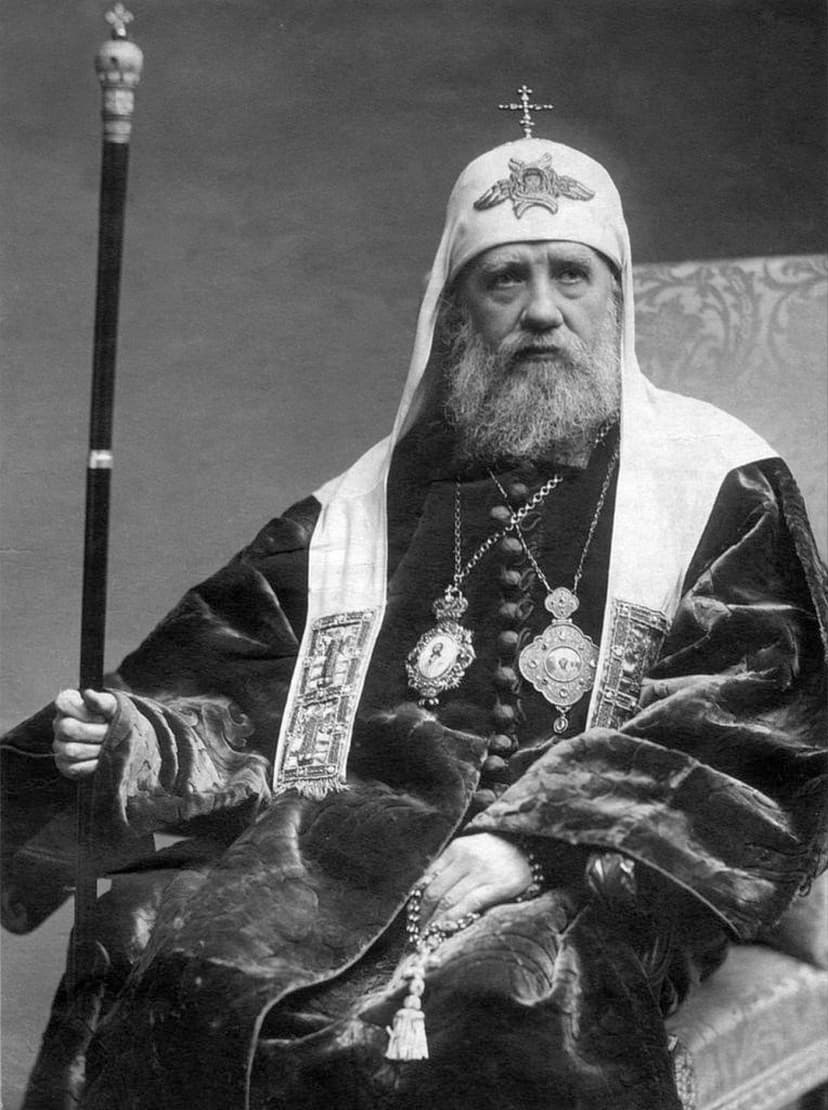
Tikhon of Moscow
Tikhon of Moscow, born Vasily Ivanovich Bellavin, was the 11th Patriarch of Moscow and All Russia, restoring the position after 200 years of Synodal rule. He is remembered for his leadership during a tumultuous period of the Russian Revolution and subsequent Soviet persecution of the Church, and was canonized as a confessor.