
Ephraim of Nea Makri
May 5·15th century·Greece
Ephraim of Nea Makri is venerated as a martyr and miracle-working saint within the Greek Orthodox Church and the Ecumenical Patriarchate of Constantinople. His veneration stems from a series of divine revelations to a nun in 1950, leading to the discovery of a body believed to be his and subsequent popular devotion, though his historical existence remains controversial. He is chiefly remembered for his supposed martyrdom and the numerous miraculous healings attributed to his intercession.
Key Facts
- ›He is believed to have lived from 1384 to 1426, though his historical existence is debated.
- ›His biography and existence were reportedly revealed through divine dreams to a hermit nun, Makaria Desipri, in 1950.
- ›A body believed to be his was discovered near a hermitage on Mount Amomon, near Nea Makri, Greece.
- ›He is venerated as a martyr and worker of miracles, particularly for healing illnesses.
- ›His feast days are January 3 (discovery of his body) and May 5 (anniversary of his martyrdom).
- ›He was officially declared a saint by the Synod of the Orthodox Church in Greece in 1998 and approved by the Patriarch of Constantinople in 2011.
St. Ephraim the Neomartyr, Ephraim the Martyr, Ephraim of Mount Amomon, Άγιος Εφραίμ ο μάρτυρας, Άγιος Εφραίμ του Όρους των Αμώμων, Konstantinos Morphes
Healing of Illnesses
Mulberry Tree
About Ephraim of Nea Makri
Ephraim of Nea Makri, also known as Ephraim the Neomartyr or Ephraim of Mount Amomon, is venerated as a martyr and miracle-working saint within the Greek Orthodox Church and the Ecumenical Patriarchate of Constantinople. His veneration is rooted in events of the mid-20th century, rather than early Christian history, leading to a degree of controversy regarding his historical existence.
History and Revelation
The narrative of St. Ephraim's life, martyrdom, and sainthood is largely attributed to a series of divine revelations received by a hermit nun, Makaria Desipri, in 1950. These revelations are said to have led to the discovery of a body believed to be the saint's near her hermitage on Mount Amomon, the site of an abandoned medieval monastery. This discovery initiated a period of popular devotion, with the saint quickly becoming known for miraculous healings. A monastery dedicated to the Annunciation of Our Lady was later established on the site. In 1998, the Synod of the Orthodox Church in Greece officially declared Ephraim a saint, a decision approved by the Patriarch of Constantinople in 2011.
Biography According to Revelation
According to the divinely revealed accounts, Ephraim was born Konstantinos Morphes in Trikala, Thessalia, on September 14, 1384. He became a monk, taking the name Ephraim, and relocated to Attica, joining the Monastery of the Annunciation of Our Lady on Mount Amomon. The monastery was reportedly destroyed by Ottoman troops in 1424. Ephraim then lived as a hermit among the ruins for a year before being captured during another raid on September 14, 1425. He endured over eight months of torment before being tortured to death on May 5, 1426. A mulberry tree, purportedly where he was hanged, is venerated at the re-erected monastery.
Veneration and Iconography
St. Ephraim is typically depicted in iconography as a slender, ascetic monk with dark hair and beard, wearing the black robes of his monastic order. His feast days are celebrated on January 3, the anniversary of the discovery of his relics, and May 5, the anniversary of his martyrdom. The Monastery of the Annunciation of Our Lady in Nea Makri is the primary center of his veneration and a popular pilgrimage site, attracting many who seek miraculous healing. The monastery gained public attention in 2005 due to accusations of financial impropriety involving its nuns and the local bishop.
Source: Wikipedia ↗
Frequently Asked Questions
Is Ephraim of Nea Makri a historical figure?
The historical existence of Ephraim of Nea Makri is a subject of controversy. While he is venerated as a saint, there are no historical sources predating the mid-20th century that testify to his life or martyrdom. Believers consider him a 'newly revealed' saint whose existence is known through divine revelation.
How did Ephraim of Nea Makri become a saint?
According to tradition, the existence and biography of St. Ephraim were revealed to a hermit nun, Makaria Desipri, through a series of divine dreams starting in 1950. Following these revelations, a body believed to be his was discovered, leading to his popular veneration and eventual official canonization by the Orthodox Church in Greece and the Ecumenical Patriarchate of Constantinople.
What is Ephraim of Nea Makri remembered for?
Ephraim of Nea Makri is primarily remembered as a martyr and a miracle-working saint, particularly for his intercessions in healing illnesses. His supposed martyrdom occurred during Ottoman raids in the early 15th century, and his relics are venerated at the Monastery of the Annunciation of Our Lady in Nea Makri, Greece.
When are the feast days of Ephraim of Nea Makri?
Ephraim of Nea Makri has two primary feast days. The first is January 3, commemorating the discovery of his relics, and the second is May 5, which marks the anniversary of his martyrdom.
Where is the main center of veneration for Ephraim of Nea Makri?
The main center for the veneration of St. Ephraim of Nea Makri is the Monastery of the Annunciation of Our Lady, located on Mount Amomon near Nea Makri in Attica, Greece. This monastery was built on the site of his supposed life and martyrdom and has become a significant pilgrimage destination.
Related Saints
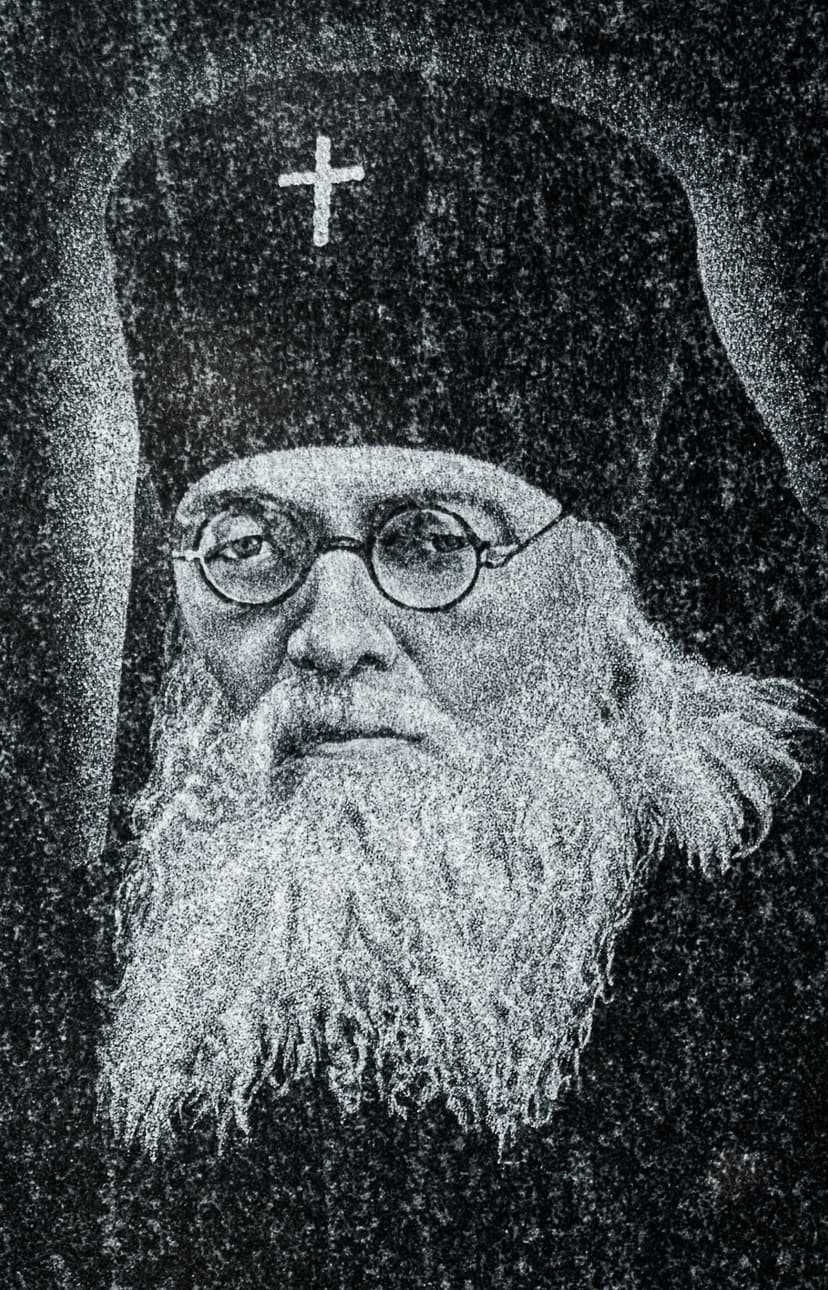
Luke the Surgeon
Luke of Simferopol, born Valentin Felixovich Voyno-Yasenetsky, was a prominent Russian surgeon and an archbishop of the Russian Orthodox Church. He is remembered for his significant contributions to purulent surgery and anesthesiology, as well as for his spiritual writings and enduring faith despite political persecutions.
Bessarion Sarai
Visarion Sarai was an Orthodox cleric who was imprisoned and tortured to death by members of the Habsburg Dynasty for his outspokenness. He is venerated as a saint by the Romanian Orthodox Church and the Serbian Orthodox Church due to his martyrdom.
Maximus III of Constantinople
Maximus III of Constantinople, born Manuel Christonymos, was a scholar and served as Ecumenical Patriarch from 1476 until his death in 1482. He is honored as a saint in the Eastern Orthodox Church and is remembered for his role in the Church of Constantinople during a challenging period following its fall to the Ottoman Empire. His literary work includes a "Monody on the Capture of Constantinople."