
Luke the Surgeon
May 29 (Julian) / June 11 (Revised Julian)·20th century·Russia
Luke of Simferopol, born Valentin Felixovich Voyno-Yasenetsky, was a prominent Russian surgeon and an archbishop of the Russian Orthodox Church. He is remembered for his significant contributions to purulent surgery and anesthesiology, as well as for his spiritual writings and enduring faith despite political persecutions.
Key Facts
- ›He was born Valentin Felixovich Voyno-Yasenetsky in 1877 and died on June 11, 1961.
- ›Voyno-Yasenetsky was a renowned surgeon, publishing the influential work "Sketches of Purulent Surgery" in 1934.
- ›He made advancements in regional anesthesiology and developed new surgical operations, such as joint rejection.
- ›Despite his medical career, he was ordained a priest in 1921 and later became a bishop, taking the name Luke.
- ›He faced political repression and spent 11 years in internal exile due to his religious activities.
- ›Luke of Simferopol was canonized by the Russian Orthodox Church in 1996 and is also recognized as a saint by the Ecumenical Patriarchate of Constantinople.
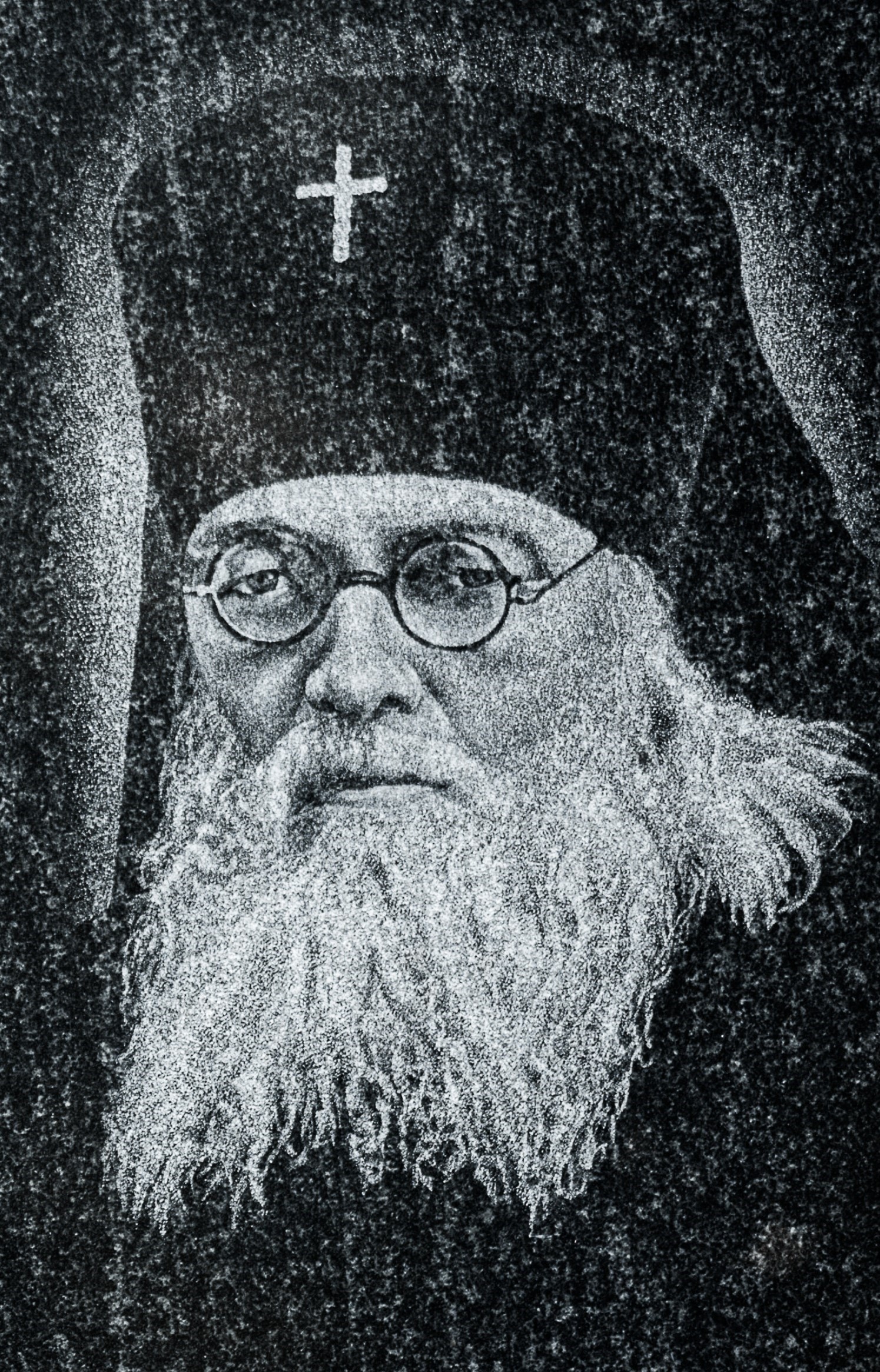
Valentin Felixovich Voyno-Yasenetsky, Luke of Simferopol, Saint Luke the Blessed Surgeon, Saint Luke of Crimea
About Luke the Surgeon
Luke of Simferopol
Luke of Simferopol, born Valentin Felixovich Voyno-Yasenetsky (1877–1961), was a distinguished Russian surgeon, spiritual writer, and an archbishop within the Russian Orthodox Church. His life was marked by a dual commitment to scientific advancement in medicine and profound spiritual devotion, often pursued under challenging political circumstances.
Medical Career and Contributions
Voyno-Yasenetsky was a highly skilled surgeon whose medical career spanned several decades. His most significant medical publication, "Sketches of Purulent Surgery" (1934), remains a vital reference for surgeons. He specialized in operations involving the gallbladder, stomach, and other abdominal organs, and also worked in neurosurgery and orthopedics. A key area of his expertise was anesthesiology; his monograph "Regional Anesthesiology" was published in 1915, and he defended a thesis on regional anesthesia of the trigeminal nerve. He was among the first to describe anesthesia for the trigeminal nerve using ethanol injections and explored surgical treatments for tuberculosis and purulent joint conditions. During his time in a military hospital in Krasnoyarsk, he developed innovative operations for conditions like osteomyelitis.
Religious Life and Persecution
Despite his medical achievements, Voyno-Yasenetsky felt a strong calling to religious life. In 1921, he was ordained as a priest, adopting the religious name Luke, and later became a consecrated bishop. His spiritual leadership and public role led to significant political persecution. He faced 11 years of internal exile, a testament to the difficult environment for religious figures in the Soviet Union. He described the arduous nature of adhering to his faith amidst a "stormy current of antireligious propaganda."
Veneration and Legacy
Luke of Simferopol was canonized by the Russian Orthodox Church on May 25, 1996, with his feast day observed on May 29 (Julian) or June 11 (Revised Julian). His remains were exhumed in March 1996, with reports of an unusual aroma and an incorrupt heart. His relics were subsequently transferred to the Cathedral of the Holy Trinity in Simferopol. In 2019, the Ecumenical Patriarchate of Constantinople also officially recognized him as a saint. His dual legacy as a brilliant surgeon and a steadfast confessor of the faith continues to inspire devotion and veneration.
Source: Wikipedia ↗
Frequently Asked Questions
Who was Valentin Felixovich Voyno-Yasenetsky?
Valentin Felixovich Voyno-Yasenetsky, later known as Luke of Simferopol, was a Russian surgeon and an archbishop of the Russian Orthodox Church. He was also a spiritual writer and a laureate of the Stalin Prize in medicine.
What were Luke of Simferopol's main contributions to medicine?
He is best known for his work in purulent surgery, detailed in his book "Sketches of Purulent Surgery." He also made significant contributions to anesthesiology, regional anesthesia, and developed new surgical techniques like joint rejection.
What challenges did Luke of Simferopol face in his religious life?
As a prominent religious figure, he endured political repression and spent 11 years in internal exile. He also wrote about the ongoing struggles against anti-religious propaganda.
When was Luke of Simferopol canonized?
He was canonized by the Russian Orthodox Church on May 25, 1996. The Ecumenical Patriarchate of Constantinople also recognized him as a saint on June 13, 2019.
Where are the relics of Saint Luke of Simferopol kept?
His relics were transferred to the Cathedral of the Holy Trinity in Simferopol on March 20, 1996. Portions of his relics are also found in several monasteries in Greece.
Related Saints
Ephraim of Nea Makri
Ephraim of Nea Makri is venerated as a martyr and miracle-working saint within the Greek Orthodox Church and the Ecumenical Patriarchate of Constantinople. His veneration stems from a series of divine revelations to a nun in 1950, leading to the discovery of a body believed to be his and subsequent popular devotion, though his historical existence remains controversial. He is chiefly remembered for his supposed martyrdom and the numerous miraculous healings attributed to his intercession.
Cyril of Alexandria
Cyril of Alexandria was the Patriarch of Alexandria from 412 to 444, a significant figure in the Christological controversies of the late 4th and 5th centuries. He is renowned for his central role in the Council of Ephesus in 431, which led to the deposition of Nestorius, and for his extensive writings that solidified his position as a Doctor of the Church. Cyril is remembered for his theological debates, his disputes with secular authorities, and his expulsion of Novatians and Jews from Alexandria.
Gregory of Nazianzus
Gregory of Nazianzus was an early Roman Christian theologian and prelate, widely considered the most accomplished rhetorical stylist of the patristic age. He significantly shaped Trinitarian theology and is remembered as the "Trinitarian Theologian". Gregory is revered as a saint in both Eastern and Western Christianity and is counted among the Doctors of the Church.