
Alexander of Svir
April 17·16th century·Russia
Alexander of Svir was a Russian monk and hegumen known for his righteous life and contemplative miracles, including visions of the Trinity and the Virgin Mary. He was canonized by the Russian Orthodox Church in 1547 and is venerated for his sanctity and the incorruptibility of his relics. His feast days are celebrated on April 17 and August 30.
Key Facts
- ›Born Amos in 1448 in the Novgorod Republic into a peasant family.
- ›Became a monk at the Valaam Monastery at the age of 26.
- ›Appointed hegumen of the Trinity Monastery, later known as Alexander-Svirsky Monastery, in 1506.
- ›Died on August 30, 1533.
- ›Canonized as a saint by the Russian Orthodox Church in 1547.
- ›His relics were found incorruptible in 1641.
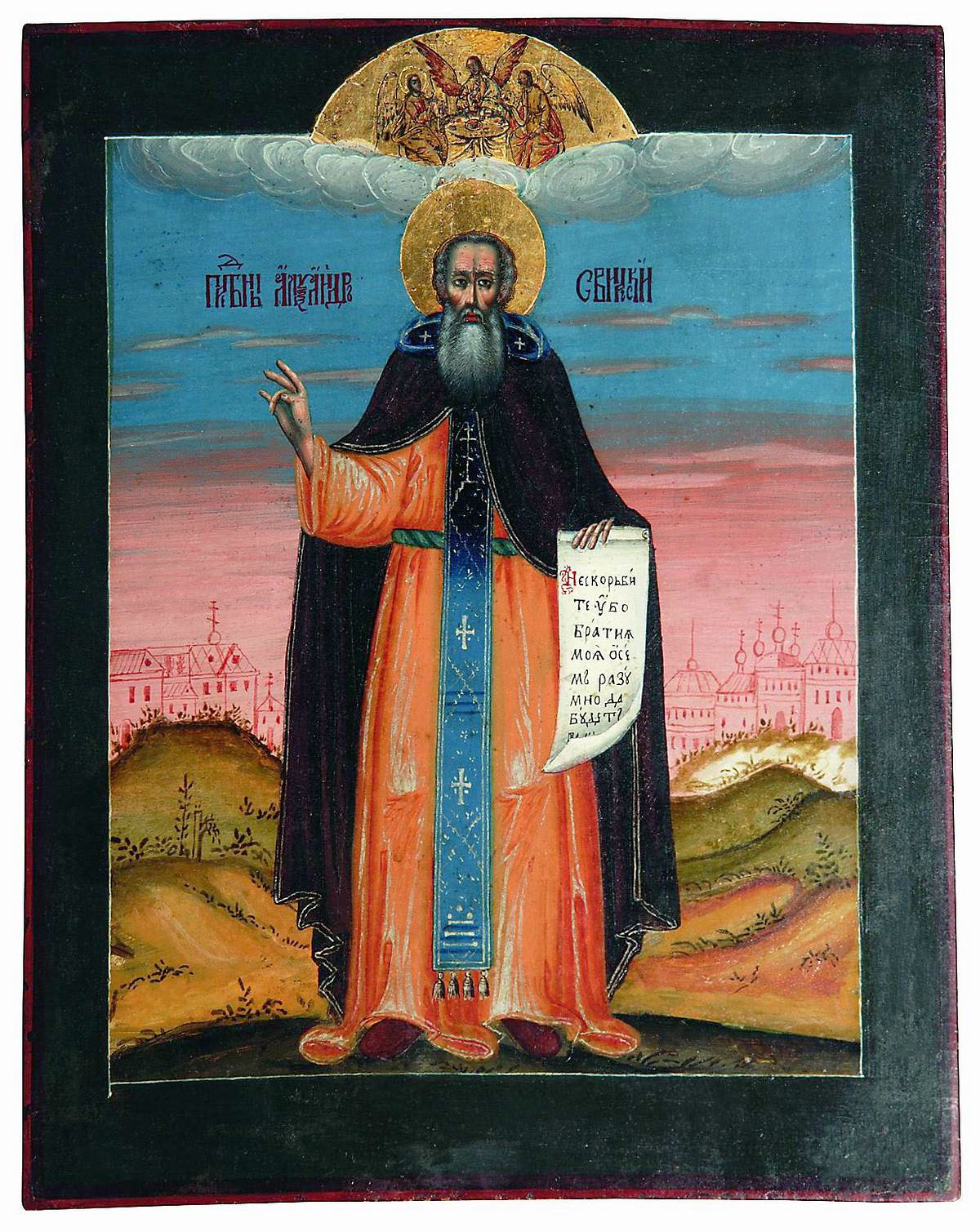
Alexander Svirsky, Amos
About Alexander of Svir
Alexander of Svir, born Amos in 1448, was a prominent Russian monk and hegumen, revered for his spiritual life and the founding of the Alexander-Svirsky Monastery. He came from a peasant family in the Novgorod Republic and, after dedicating himself to monasticism at the Valaam Monastery in his early twenties, eventually settled near Olonets. In 1506, he was appointed hegumen of the Trinity Monastery, which subsequently became known as the Alexander-Svirsky Monastery, a testament to his significant role.
Life and Historical Context
Born into a peasant family, Alexander's Christian name was Amos, given at baptism. His parents, Stefan and Vassa, later took monastic vows themselves. At the age of 26, he left his home to join the Valaam Monastery as a monk. Following the passing of his parents, he returned to the Novgorod region. His spiritual leadership was recognized in 1506 when Serapion, the archbishop of Novgorod, appointed him hegumen of the Trinity Monastery. He died on August 30, 1533.
Veneration and Legacy
Alexander of Svir's reputation for sanctity and contemplative miracles, including alleged visions of the Trinity and the Virgin Mary with the Holy Child, led to immediate veneration after his death. His vita was compiled by his disciple Herodion with the blessing of church authorities, and he was formally canonized by the Russian Orthodox Church in 1547. His relics were discovered in 1641 and were reported to be incorruptible, a significant aspect of his veneration. The monastery he founded remains an important spiritual center. His feast days are celebrated on April 17 and August 30.
Source: Wikipedia ↗
Frequently Asked Questions
When was Alexander of Svir born and when did he die?
Alexander of Svir was born in 1448 and died on August 30, 1533. His birth name was Amos.
What is Alexander of Svir best known for?
He is known as a Russian monk and hegumen who founded the Alexander-Svirsky Monastery. He is also venerated for his righteous life, contemplative miracles, and the incorruptibility of his relics.
When was Alexander of Svir canonized?
Alexander of Svir was canonized as a saint by the Russian Orthodox Church in 1547.
What are the feast days of Alexander of Svir?
His feast days are commemorated on April 17 and August 30, according to the Eastern Orthodox liturgical calendar.
Were Alexander of Svir's relics found to be incorrupt?
Yes, according to hagiographical accounts and the vita written by his disciple, his relics were found incorruptible when discovered in 1641. Later examinations in the Soviet era also confirmed the presence of a human body.
Related Saints
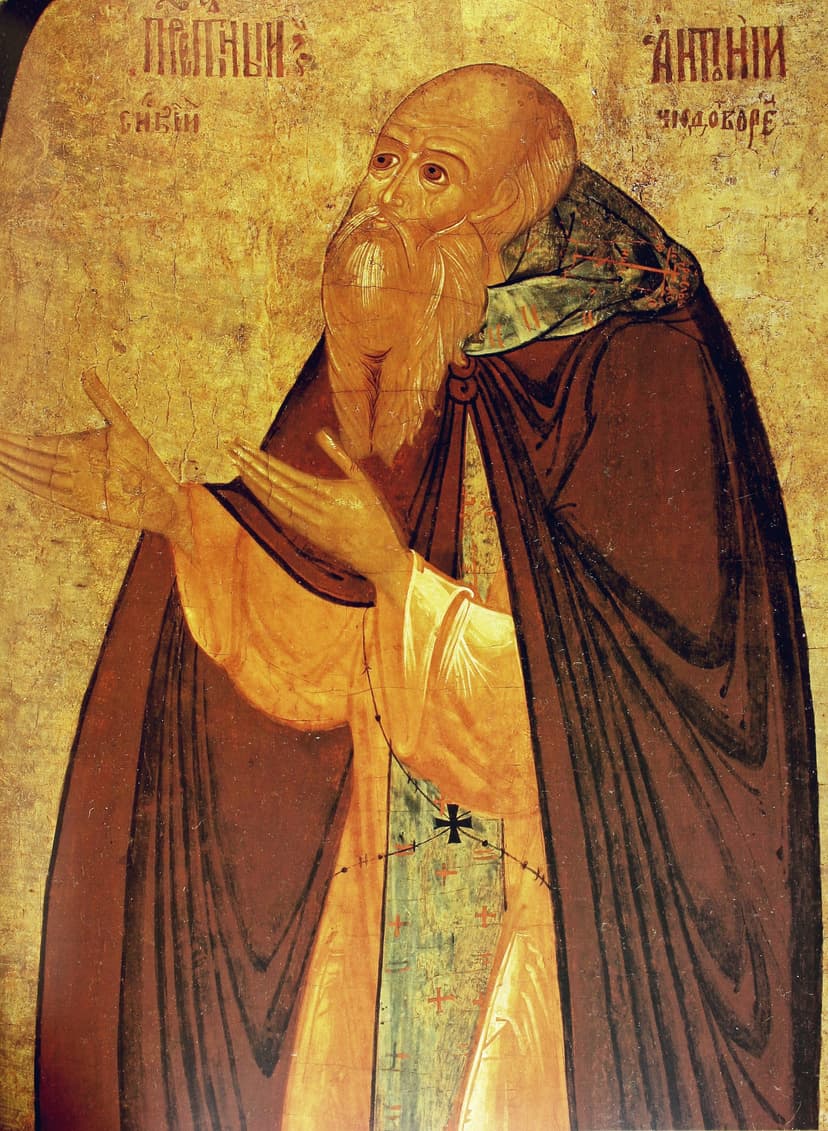
Anthony of Siya
Anthony of Siya was a Russian Orthodox monk, born a peasant in 1478, who founded the Antonievo-Siysky Monastery in the Russian North. He is remembered as the last significant monastic saint, advocating for monastic control of peasant villages and dying in 1556.
Joseph Volotsky
Joseph Volotsky was a prominent Russian theologian and an early proponent of tsarist autocracy. He is chiefly remembered for leading the "possessors" party in defense of monastic landownership against the "non-possessors" and for his staunch opposition to heresy. The Russian Orthodox Church considers him a saint, celebrating his memory on September 9 and October 18.
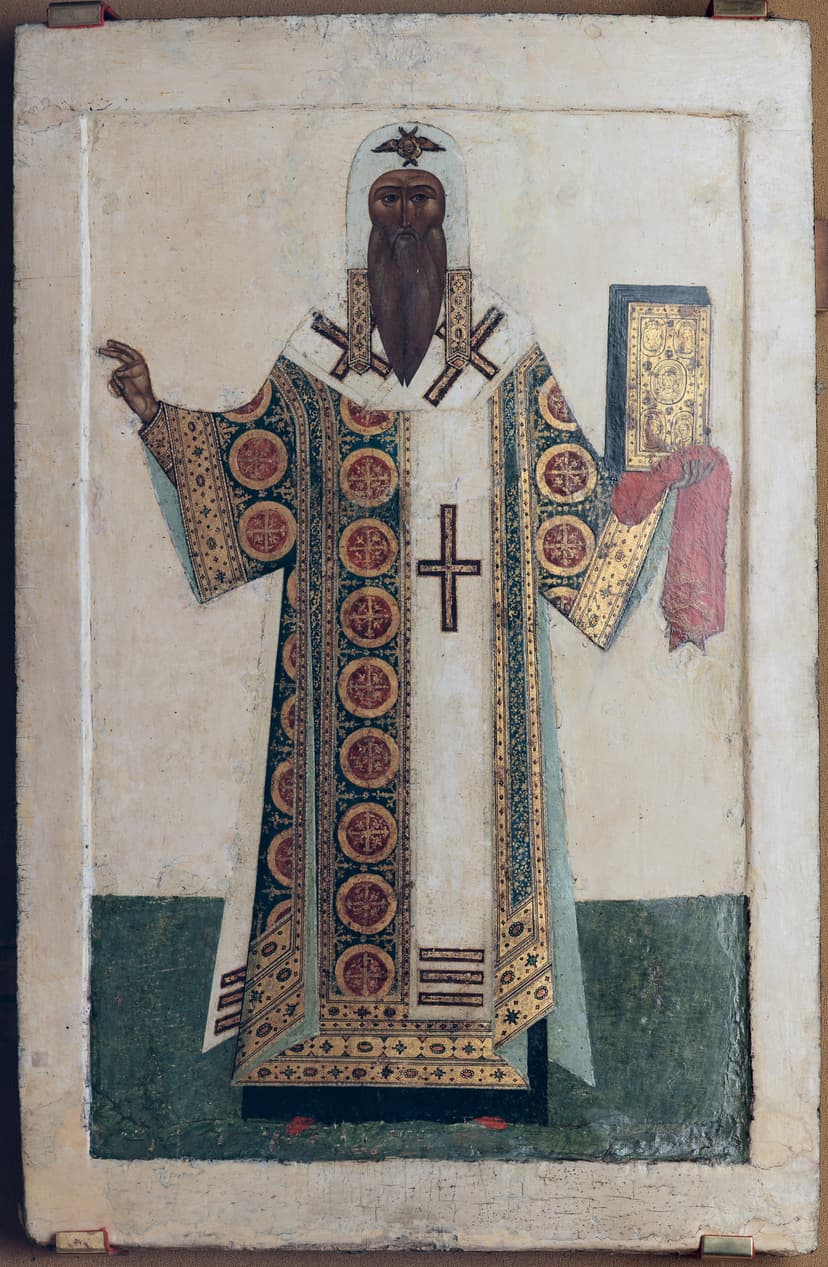
Macarius of Moscow
Macarius of Moscow was Metropolitan of Moscow and all Rus' from 1542 to 1563, serving as the primate of the Russian Orthodox Church. He is remembered as a significant cleric, writer, and icon painter who played a crucial role in church reforms and state affairs during the reign of Ivan the Terrible. Macarius is particularly noted for his compilation of saints' lives and his role in the canonization of numerous Russian saints.