
Micaiah
Micaiah, son of Imlah, was a prophet in the Hebrew Bible, recognized as one of Elijah's disciples. He is primarily known for his prophecy foretelling King Ahab's death at the battle of Ramoth-gilead, a stark contrast to the pronouncements of Ahab's other prophets. His message challenged the king and revealed a divine plan for Ahab's demise, making him a significant figure in the narratives of Israelite prophecy.
Key Facts
- ›Micaiah is identified as the son of Imlah.
- ›He is described as one of the four disciples of Elijah.
- ›His most famous prophecy concerned King Ahab's fate at the battle of Ramoth-gilead.
- ›Micaiah's prophecy revealed a divine council where a lying spirit was sent to deceive Ahab.
- ›He was imprisoned by Ahab for his unwelcome prophecy and was later vindicated when Ahab was killed in battle.
- ›His account is recorded in 1 Kings 22 and 2 Chronicles 18.
Hebrew Bible
Prophecy, Visions
Micaiah the son of Imlah
Ahab, Jehoshaphat, Elijah, Zedekiah Ben Chenaanah
Prophet
Prophet
About Micaiah
Micaiah: The Prophet of Unwelcome Truth
Micaiah, son of Imlah, is a prophet featured in the Hebrew Bible, recognized within Jewish and Christian traditions. He is notably described as one of the disciples of Elijah, a highly esteemed prophet.
Life and Prophetic Ministry
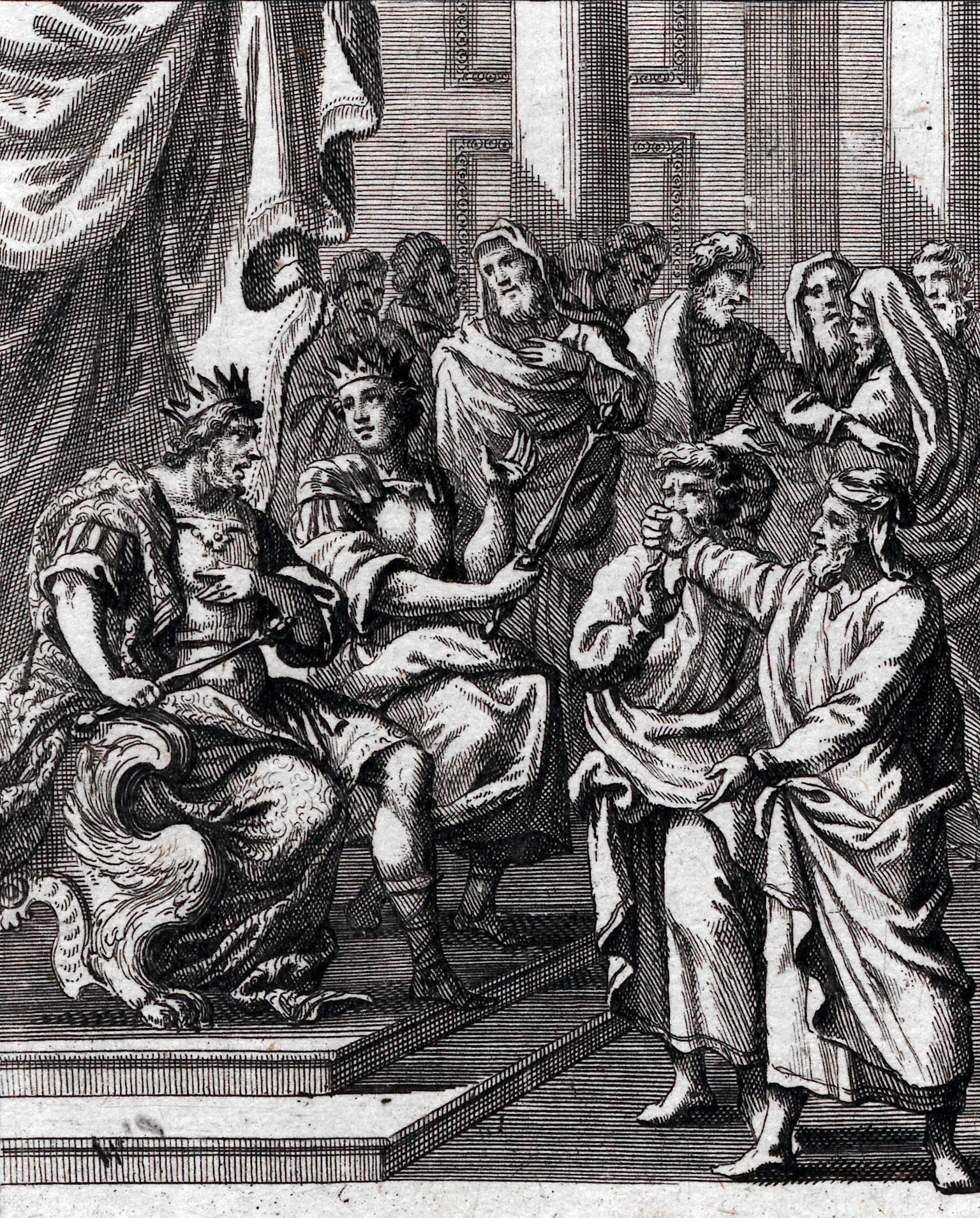
The primary account of Micaiah's prophetic activity is found in 1 Kings chapter 22 and its parallel in 2 Chronicles chapter 18. These texts detail a critical moment when King Jehoshaphat of Judah visited King Ahab of Israel. Jehoshaphat urged Ahab to seek the word of the Lord before embarking on a military campaign against Ramoth-gilead. Ahab initially consulted his own prophets, who unanimously predicted victory.
However, Jehoshaphat, sensing the need for an independent voice, inquired if there were any other prophets of the Lord. Ahab reluctantly mentioned Micaiah, expressing his disdain for the prophet due to Micaiah's consistently unfavorable prophecies in the past. When summoned, Micaiah was urged by a messenger to deliver a favorable prophecy, but he declared he would speak only what the Lord commanded.
The Prophecy and Its Aftermath
Before King Ahab, Micaiah initially offered a mocking prophecy that mirrored the others. When pressed by Ahab to speak the truth in the name of the Lord, Micaiah shared a profound vision. He described a heavenly council where Yahweh sought a spirit to act as a lying spirit in the mouths of Ahab's prophets, intending for Ahab to go into battle and perish. This revelation starkly contrasted with the other prophets' pronouncements, leading to a confrontation where Zedekiah, a leader of Ahab's prophets, struck Micaiah.
As a consequence of his prophecy, Ahab ordered Micaiah to be imprisoned and fed meager rations until his return from battle. Despite Micaiah's warning, Ahab proceeded with the campaign, disguising himself to avoid being a direct target. Tragically, Ahab was killed in the battle by a stray arrow, thus fulfilling Micaiah's prophecy and validating his divine message over the deceptive words of the other prophets.
Interpretation and Legacy
Micaiah's prophecy is significant for its early depiction of a heavenly throne room scene in the Hebrew Bible. Scholarly interpretations discuss the nature of divine communication, the role of a 'lying spirit,' and the intentionality of God's actions. The story highlights the integrity of prophetic truth, even when it brings difficult news, and serves as a testament to the consequences of rejecting divine guidance. Micaiah's narrative remains a compelling example of a prophet who faithfully delivered God's word, regardless of personal cost or popular opinion.
Source: Wikipedia ↗
Frequently Asked Questions
Who was Micaiah, son of Imlah?
Micaiah, son of Imlah, was a prophet mentioned in the Hebrew Bible. He is known for his prophetic pronouncements, particularly a vision he shared concerning King Ahab of Israel.
What is Micaiah's most significant prophecy?
Micaiah's most significant prophecy foretold the death of King Ahab of Israel during a battle at Ramoth-gilead. This prediction stood in stark opposition to the positive prophecies given by Ahab's other prophets.
What happened to Micaiah after his prophecy?
After delivering his prophecy, Micaiah was struck by Zedekiah, one of Ahab's prophets, and subsequently imprisoned by King Ahab. Ahab ordered his confinement until he returned safely from the battle, which he did not.
How did Micaiah's prophecy come true?
Micaiah's prophecy came true when King Ahab, despite disguising himself, was killed in battle by a randomly shot arrow. This fulfilled Micaiah's prediction of Ahab's demise.
What was unique about Micaiah's prophecy?
Micaiah's prophecy uniquely described a heavenly scene where Yahweh asked for a spirit to act as a lying spirit in the mouths of Ahab's prophets. This illustrated a divine mechanism behind the false prophecies Ahab received.
Related Prophets
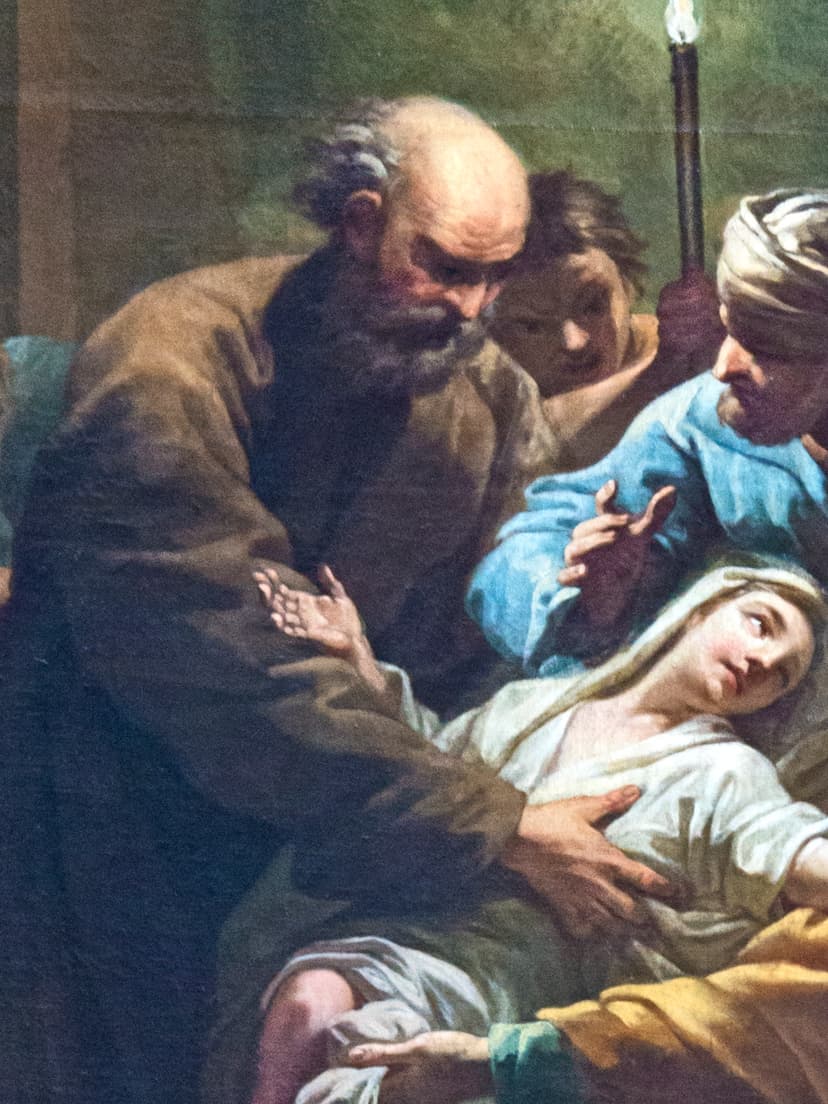
Elisha
Elisha was an Israelite prophet and wonder-worker mentioned in the Hebrew Bible, New Testament, and Quran, revered in Judaism, Christianity, and Islam. He served as an advisor to several kings of Judah and was known for performing numerous miracles, often in succession to the prophet Elijah. Elisha's ministry is primarily documented in the Books of Kings, where he is depicted as a powerful figure who corrected kings and leaders and intervened in various significant events.
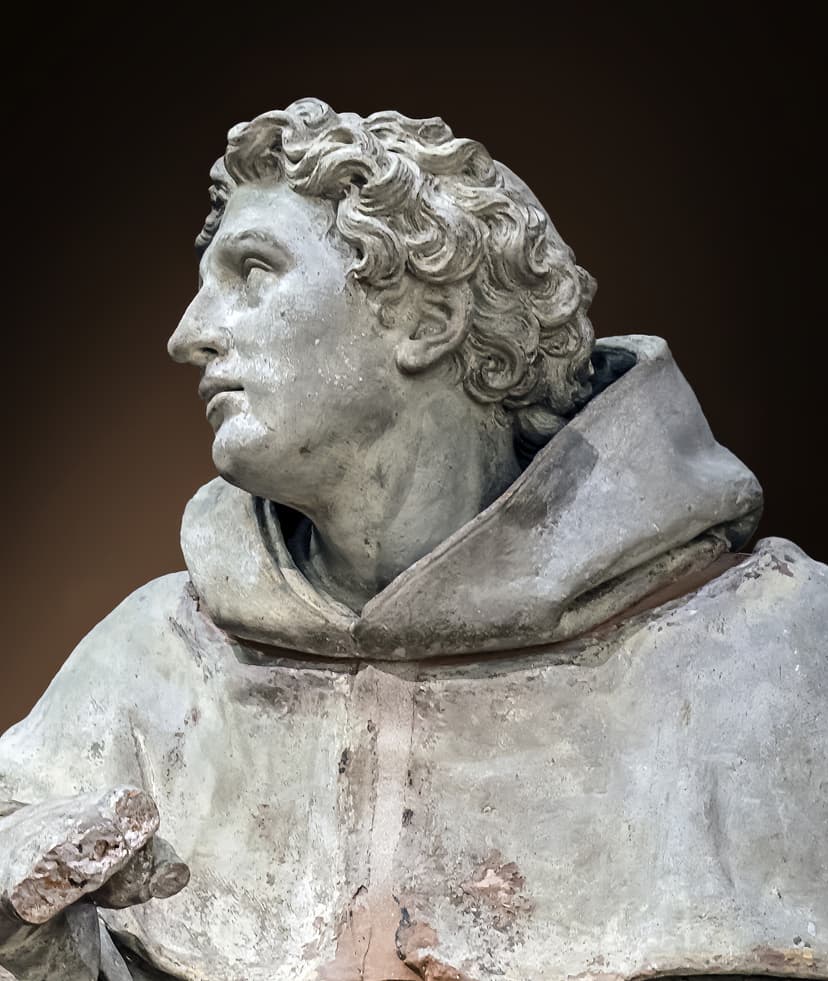
Agabus
Agabus was an early follower of Christianity and a prophet mentioned in the Acts of the Apostles. He is known for his prophetic predictions, including a widespread famine during the reign of Emperor Claudius and warning Paul the Apostle about his impending arrest in Jerusalem. Agabus is also traditionally considered one of the Seventy Disciples.
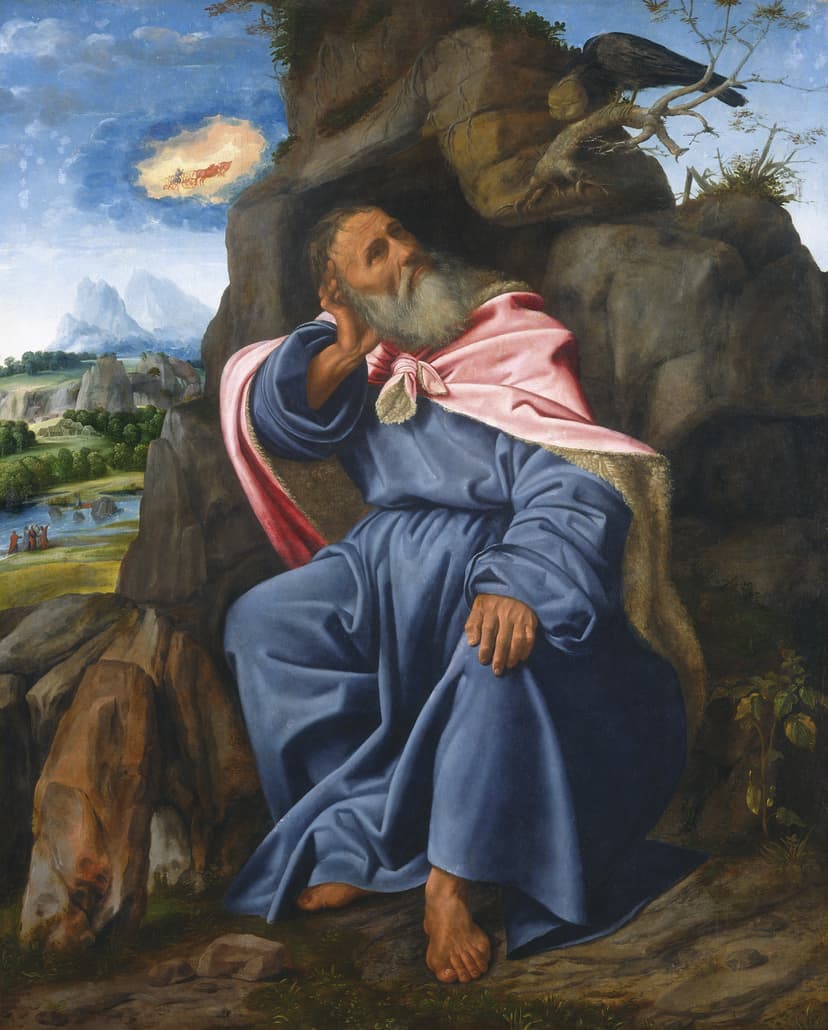
Elijah
Elijah was a prophet and miracle worker in the northern Kingdom of Israel during the 9th century BC, known for defending the worship of Yahweh against the Canaanite deity Baal. He is credited with numerous miracles, including raising the dead and ascending to heaven alive, and is prophesied to return as a harbinger of the Messiah. Elijah's life and teachings significantly influenced Judaism, Christianity, and Islam, and he is venerated in various customs and texts across these traditions.