
Abdulhadi as-Soudi Mosque
Taiz·Yemen·Sufi·Destroyed
The Abdulhadi as-Soudi Mosque was a historic single-story mosque located in Taiz, Yemen, known for its large white dome. It served not only as a place of prayer but also as a center for Sufi gatherings and housed the mausoleum of the scholar Abdul Hadi as-Soudi and other Sufi saints. The mosque was tragically destroyed by Islamist militants in 2016.
Key Facts
- ›Originally constructed during the Tahirid Sultanate period.
- ›Renovated during the Ottoman Empire's rule over Yemen.
- ›Functioned as a site for prayer and Sufi gatherings.
- ›Contained the Qubbat Abdulhadi as-Soudi mausoleum for its namesake and other saints.
- ›Topped by one of Yemen's largest mosque domes before its destruction.
- ›Destroyed by Islamist militants in 2016.

Large White Dome, Qubbat Abdulhadi As-Soudi Mausoleum, Courtyard, Sufi Meeting Area
Religious, Cultural, Historical
About Abdulhadi as-Soudi Mosque
The Abdulhadi as-Soudi Mosque was a significant historic mosque situated in Taiz, a city in southwestern Yemen. Named after the esteemed Muslim scholar and poet Abdul Hadi as-Soudi, the mosque held importance not only as a place of prayer but also as a center for Sufi gatherings. Abdul Hadi as-Soudi himself was interred within the mosque complex, specifically in a chamber known as the Qubbat Abdulhadi as-Soudi, alongside other Sufi saints.
History and Architecture
The mosque's construction dates back to the later years of the Tahirid Sultanate, with subsequent renovations undertaken during the period of Ottoman rule in Yemen. Architecturally, it was a single-story structure characterized by a courtyard and a dedicated space for Sufi meetings. A prominent feature was its large white dome, which was recognized as one of the most substantial mosque domes in Yemen before its unfortunate demise. The Qubbat Abdulhadi as-Soudi, housing the mausoleum, was also topped by a dome.
Desecration and Destruction
The mosque suffered significant damage in September 2015 when it was vandalized and looted by Islamist militants, who reportedly exhumed the remains of the entombed Sufi saints. The ultimate destruction occurred in 2016 when the mosque and its mausoleum were completely demolished by Islamist militants who planted and detonated explosives. Reports suggested that groups such as al-Qaeda or ISIL-backed factions were responsible for the act, with some accounts naming Abu'l Abbas as the leader of the operation. As of recent assessments, the site remains in ruins, with no rebuilding efforts initiated.
Source: Wikipedia ↗
Frequently Asked Questions
Where was the Abdulhadi as-Soudi Mosque located?
The Abdulhadi as-Soudi Mosque was located in the city of Taiz, in southwestern Yemen. It was a significant historic structure within the region.
Who was Abdul Hadi as-Soudi?
Abdul Hadi as-Soudi was a revered Muslim scholar and poet. He is entombed within the mosque complex, specifically in a room known as the Qubbat Abdulhadi as-Soudi.
What was the architectural significance of the mosque?
The mosque was notable for its single-story design and a large white dome, which was considered one of the largest mosque domes in Yemen prior to its destruction. It also featured a courtyard and a dedicated space for Sufi meetings.
When and why was the Abdulhadi as-Soudi Mosque destroyed?
The Abdulhadi as-Soudi Mosque was destroyed in 2016 when Islamist militants planted and detonated explosives within the structure. This act of desecration completely annihilated the mosque and its mausoleum.
What happened to the mosque in 2015?
In September 2015, the mosque was vandalized and looted by Islamist militants. During this incident, furniture, pottery, and decorative items were stolen, and the remains of Sufi saints, including Abdul Hadi as-Soudi, were reportedly exhumed.
Is the Abdulhadi as-Soudi Mosque still standing?
No, the Abdulhadi as-Soudi Mosque was completely destroyed in 2016. As of recent reports, the site remains in ruins and has not been rebuilt.
Related Mosques
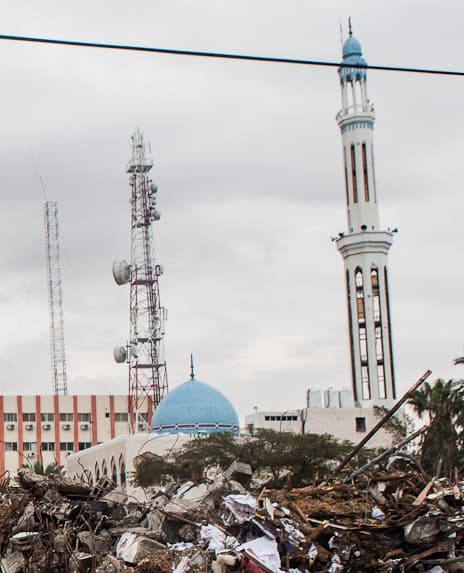
Abu Khadra Mosque
The Abu Khadra Mosque was a mosque situated in the Sabra neighborhood of Gaza City, in the State of Palestine. It was notable for its single minaret and two domes. The mosque was destroyed by Israeli forces in 2012.

17th of Ramadan Mosque
The 17th of Ramadan Mosque is a significant historical landmark located in Baghdad, Iraq, dating back to the royal era. Initially named the "Mosque of the Martyr" and later the "14th of Ramadan Mosque," its current name commemorates the Battle of Badr. The mosque is noted for its beautiful Islamic architecture, including calligraphy by Hashem Muhammad al-Baghdadi, and serves as an active worship site for both Sunni and Shi'a Muslims.
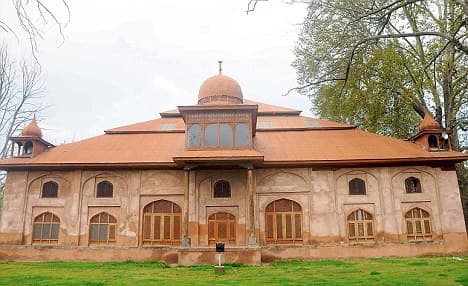
Aali Mosque
The Aali Mosque is a historic congregational mosque located in Srinagar, Jammu and Kashmir, India, within the Eidgah Shah-i-Hamadan complex. It is recognized as one of the largest mosques in the Kashmir Valley, known for its traditional Kashmiri wooden architecture. The mosque's history is marked by multiple periods of construction, destruction, and renovation, reflecting influences from various dynasties and eras.