
Ysbyty Ifan
Christian (Catholic/Chivalric Order)·Wales·Village with historical sites·12th century
Ysbyty Ifan is a historic village in Wales that served as a vital settlement controlled by the Knights of St John during the Late Medieval Period. It functioned as a hospital and hostel, offering care to pilgrims traveling to religious sites in North Wales. The village retains historical significance through its original name, its role on ancient pilgrimage routes, and its association with notable Welsh figures.
Key Facts
- ›Founded by the Knights of St John around 1190 as a hospital and hostel.
- ›Originally known as DôL Gynwal before the Knights' establishment.
- ›Served as a central point on pilgrimage routes to Holyhead and Bardsey Island.
- ›The Knights Hospitallers' hospital was dissolved in 1540.
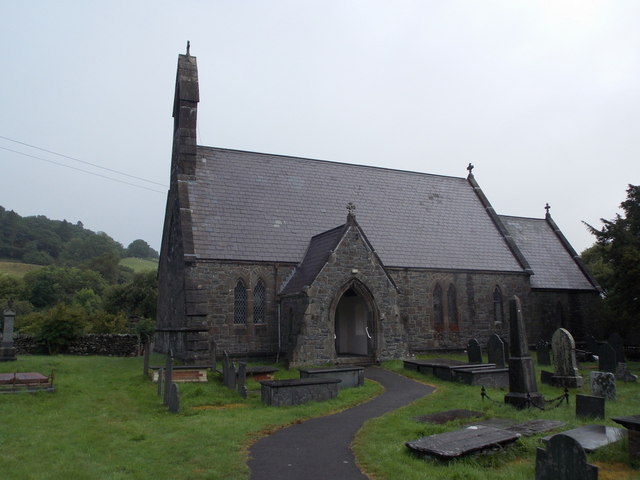
- ›The village's Church of St John stands on the site of the former hospital.
- ›The Ysbyty Ifan Estate, managed by the National Trust, is over 8,000 hectares.
- Site of the Knights Hospitallers' Hospital and Hostel
- Church of St John
- Medieval Bridge
- National Trust Ysbyty Ifan Estate
- Migneint
Yspytty Ifan
Rhys Fawr Ap Maredudd, Lowri, Robert, William Cynwal, Tomos Prys, John Morris, Orig Williams, SiôN Dafydd Berson, Gwallter Mechain
- Establishment of Hospital and Hostel By Knights of St John
- Use As A Hideout By the Red Bandits of Mawddwy
- Dissolution of the Monasteries and Closure of the Hospital
- Bypass of Medieval Bridge By Waterloo Bridge On Telford's Road
About Ysbyty Ifan
Ysbyty Ifan is a historic village located in the Conwy County Borough of Wales, renowned for its role as a significant settlement during the Late Medieval Period. Controlled by the Knights of St John, it functioned as a vital hospital and hostel, providing essential care and shelter to pilgrims undertaking journeys to various holy sites throughout North Wales.
History and Establishment
The origins of Ysbyty Ifan trace back to around 1190 when the Knights of St John established a hospital and hostel in the area. Previously known as Dôl Gynwal ('Cynwal's meadow'), the settlement was renamed Ysbyty Ifan, meaning 'hospital of St John', reflecting its new purpose. Its strategic central location placed it on ancient pilgrimage routes, including the path from Bangor Is Coed to Holyhead and Bardsey Island, and the Cistercian Way. During the 15th century, Ysbyty Ifan was notably used as a hideout by the Red Bandits of Mawddwy, who exploited the Knights' privilege of sanctuary.
Dissolution and Later History
The hospital operated by the Knights Hospitallers at Ysbyty Ifan was closed in 1540 as part of the Dissolution of the Monasteries. The village's current Church of St John stands on the site of this former monastic institution. Historical accounts suggest that effigies within the church may represent Rhys Fawr ap Maredudd, his wife Lowri, and his son Robert. The village also has connections to literary figures, with the poet William Cynwal buried there around 1588, and later, the bard Gwallter Mechain served as curate in 1799. The medieval bridge at Ysbyty Ifan was once a crucial crossing of the Afon Conwy before being bypassed by Thomas Telford's Holyhead road and Waterloo Bridge in 1815.
Modern Significance
Today, Ysbyty Ifan is a community with a primary school and recreational facilities. A significant aspect of modern Ysbyty Ifan is the extensive National Trust estate, which spans over 8,000 hectares and includes important natural areas like the Migneint moorland and bog, designated as a Site of Special Scientific Interest. The area continues to attract visitors, particularly walkers, and is recognized for its natural beauty and ecological importance.
Source: Wikipedia ↗
Frequently Asked Questions
What was the original purpose of Ysbyty Ifan?
Ysbyty Ifan was established around 1190 by the Knights of St John to serve as a hospital and hostel. Its primary function was to provide care and accommodation for pilgrims journeying through the area to various religious sites in North Wales.
What does the name Ysbyty Ifan mean?
The name Ysbyty Ifan translates to 'hospital of St John'. This name was adopted when the Knights of St John established their hospital there, replacing its earlier name, Dôl Gynwal ('Cynwal's meadow').
When was the Knights Hospitallers' hospital in Ysbyty Ifan closed?
The hospital operated by the Knights Hospitallers in Ysbyty Ifan was closed in 1540. This closure occurred during the Dissolution of the Monasteries.
What notable figures are associated with Ysbyty Ifan?
Several notable figures have connections to Ysbyty Ifan. Effigies in the church are believed to depict Rhys Fawr ap Maredudd and his family. The poet William Cynwal was buried there, as was the sailor, buccaneer, and poet Tomos Prys. Abraham Lincoln's great-great-grandfather, John Morris, lived in the area, and the wrestler Orig Williams was born there.
What is the significance of the Ysbyty Ifan Estate?
The Ysbyty Ifan Estate is the largest single estate managed by the National Trust, covering over 8,000 hectares. It encompasses diverse landscapes including moorland, river valleys, and hill farms, and is a significant area for conservation and public access.
Related Monasteries

Aberconwy Abbey
Aberconwy Abbey was a significant Cistercian monastery, initially founded near Caernarfon in 1186 before moving to Conwy. It rose to prominence as the most important abbey in North Wales during the 13th century, largely due to the patronage of Llywelyn the Great, who was buried there. The abbey was later forcibly relocated by King Edward I to Maenan to make way for Conwy Castle and was eventually suppressed in 1537.

Basingwerk Abbey
Basingwerk Abbey, located near Holywell in Flintshire, Wales, was a ruined Cistercian monastery founded in 1132. It played a strategic role in medieval Welsh history and maintained extensive lands, notably in Derbyshire. Following its dissolution in 1536, the abbey's assets were dispersed, and its buildings fell into ruin, though parts were later repurposed. Today, the site is managed by Cadw and is a Grade I listed ruin within Greenfield Valley Heritage Park.
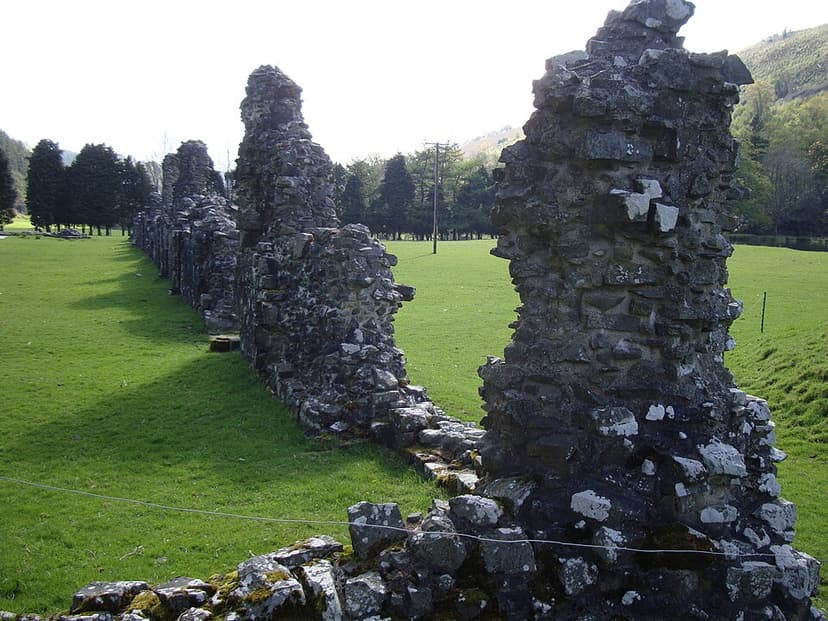
Cwmhir Abbey
Cwmhir Abbey was a Welsh Cistercian monastery founded in 1176 by Cadwallon ap Madog, though a spurious tale attributed its origin to an earlier date and founder. Situated near Llandrindod Wells in Powys, the abbey endured significant hardship due to feuds with the Mortimer family and damage during English conflicts, including the uprising of Owain Glyndŵr. Despite an ambitious construction project for its church, it was abandoned due to ongoing troubles, leading to a drastic decline in its community size by the time of its dissolution in 1536.