
Cwmhir Abbey
Cwmhir Abbey was a Welsh Cistercian monastery founded in 1176 by Cadwallon ap Madog, though a spurious tale attributed its origin to an earlier date and founder. Situated near Llandrindod Wells in Powys, the abbey endured significant hardship due to feuds with the Mortimer family and damage during English conflicts, including the uprising of Owain Glyndŵr. Despite an ambitious construction project for its church, it was abandoned due to ongoing troubles, leading to a drastic decline in its community size by the time of its dissolution in 1536.
Key Facts
- ›Founded in 1176 by Cadwallon ap Madog.
- ›Suffered from long-standing feuds with the Mortimer family.
- ›Granges were burned by English soldiers twice in the 13th century.
- ›The headless body of Llywelyn ap Gruffudd was buried here in 1282.
- ›An ambitious church construction project was abandoned after the nave was completed.
- ›Experienced significant damage during the Owain Glyndŵr uprising.
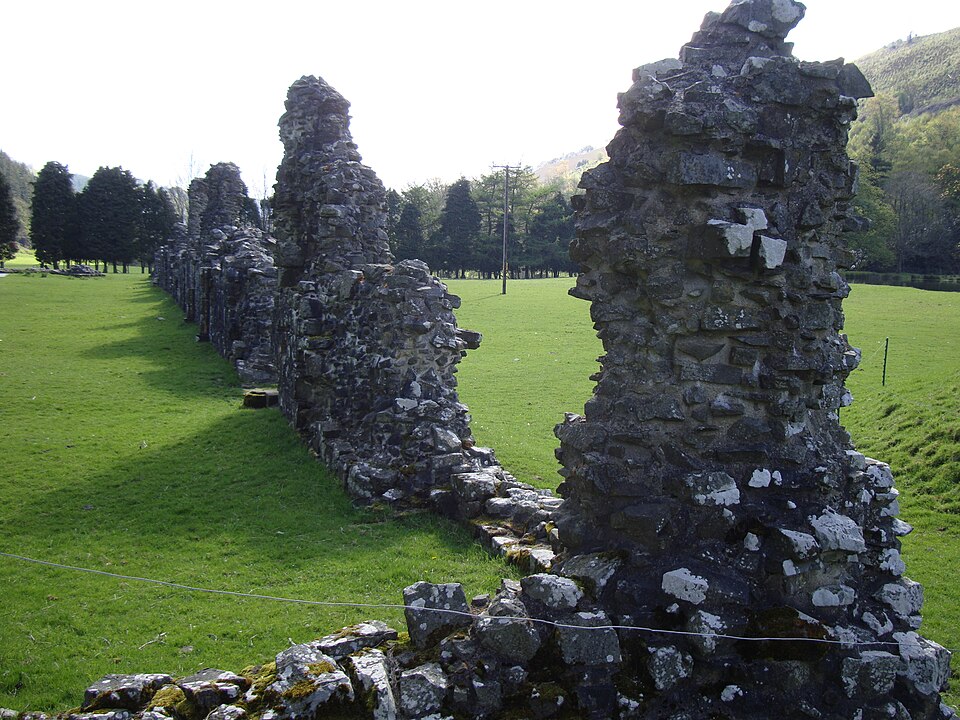
Gothic
- Fragmentary Nave Remains
- Site of Llywelyn Ap Gruffudd's Burial
- 13th-Century Arches Potentially Relocated To St Idloes Church
Abaty Cwm Hir
Cadwallon Ap Madog, Meredudd Ap Maelgwn, Roger Mortimer, Llywelyn Ab Iorwerth, Pope Gregory Ix, Llywelyn Ap Gruffudd, Owain GlyndŵR
- Founded In 1176
- Cadwallon Ap Madog Killed In 1179
- Abbey Granges Burned Twice In the 13th Century
- Abbot Fined For Aiding the Welsh Cause In 1231
- Llywelyn Ap Gruffudd Buried In 1282
- Damage During the Uprising of Owain GlyndŵR
- Dissolution In 1536
- House and Structures Wrecked During the English Civil War
About Cwmhir Abbey
Cwmhir Abbey (Welsh: Abaty Cwm Hir) is a ruined Cistercian monastery located near Llandrindod Wells in Powys, Wales. It was founded in 1176 by the Welsh prince Cadwallon ap Madog. While a spurious tale suggests an earlier foundation in 1143 by Meredudd ap Maelgwn, historical evidence firmly points to the 1176 date for its establishment at its current site.
History and Hardship
The early history of Cwmhir Abbey was marked by conflict and instability. Following the death of its founder, Cadwallon ap Madog, in 1179, the community became entangled in a blood feud with the Mortimer family. This ongoing strife, coupled with political pressures, led to significant hardship. The abbey's granges were twice burned by English soldiers in the 13th century, and in 1231, the abbot faced a substantial fine for assisting the Welsh cause. Despite these challenges, an ambitious project to construct a spacious abbey church, intended to rival cathedrals, was begun in the early 13th century. However, this grand undertaking was abandoned shortly after the completion of its fourteen-bay nave, likely due to the persistent political and social turmoil.
Decline and Dissolution
The abbey's fortunes continued to diminish, particularly during the devastating uprising of Owain Glyndŵr, which inflicted significant damage from 1401 onwards. The monastery, originally intended to house sixty monks, had dwindled to only three residents by the time of its dissolution in 1536. After its closure, the site became the property of the Fowler family, who constructed a house there. Tragically, during the English Civil War in 1644, this house and any surviving monastic structures were likely destroyed in the ensuing fighting.
Legacy
What little remains of Cwmhir Abbey today consists of fragmentary stretches of its nave. Excavations in the 19th century helped to reveal the extent of the ruins, which are now a grade II* listed structure and open to the public. A modern grave slab within the visible remnants commemorates Llywelyn ap Gruffudd, the last native Prince of Wales, who was buried in the church after his death in battle nearby in 1282. Additionally, some 13th-century architectural features, including arches believed to have come from the abbey church, were re-erected in the parish church of St Idloes in Llanidloes in 1542.
Source: Wikipedia ↗
Frequently Asked Questions
When was Cwmhir Abbey founded?
Cwmhir Abbey was founded in 1176 by Cadwallon ap Madog. There is a spurious tale that it was founded earlier in 1143, but historical records indicate the 1176 date for its establishment at the present location.
What is the significance of Llywelyn ap Gruffudd's burial at Cwmhir Abbey?
Llywelyn ap Gruffudd, the last native Prince of Wales by direct descent, was buried at Cwmhir Abbey in December 1282 after his death in battle nearby. His headless body was interred within the abbey church.
What happened to Cwmhir Abbey after its dissolution?
The abbey was closed in 1536 and its property passed to the Fowler family, who built a house on the site. During the English Civil War in 1644, this house and any remaining monastic structures were likely destroyed in the fighting.
What remains of Cwmhir Abbey today?
Today, only fragmentary stretches of the nave of the church remain visible. Excavations in the 19th century uncovered what little existed, and the ruined abbey is now a grade II* listed structure.
Were any parts of Cwmhir Abbey re-erected elsewhere?
Yes, some features, including a series of 13th-century arches, believed to have been taken from the abbey church, were re-erected in the parish church of St Idloes in Llanidloes in 1542.
Related Monasteries

Strata Florida Abbey
Strata Florida Abbey was a significant Cistercian monastery founded in 1164 in Wales. It served as a royal mausoleum for the Dinefwr family and was a vital center for Welsh culture and politics, notably compiling the "Brut y Tywysogion." The abbey faced destruction, plundering, and eventual dissolution in the 16th century, with its remains later undergoing archaeological excavation and preservation.
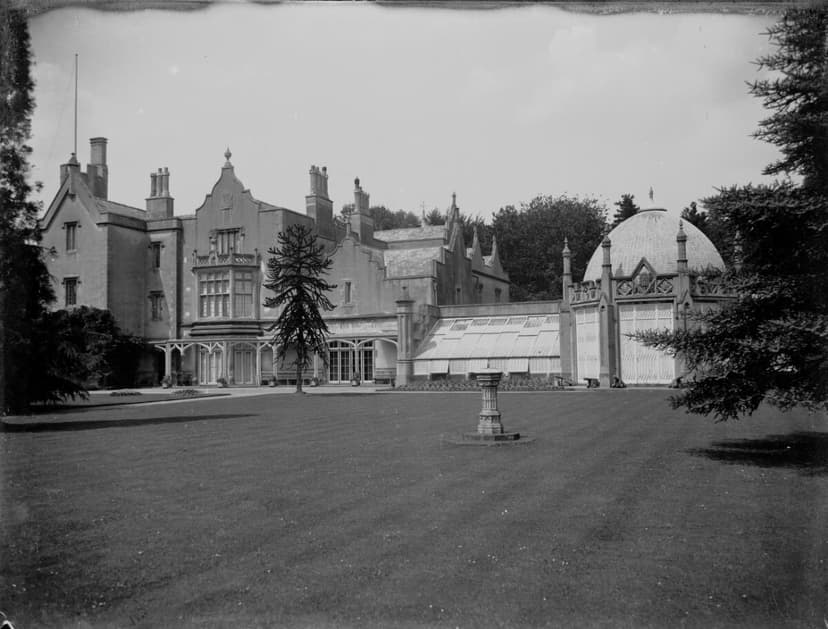
Llantarnam Abbey
Llantarnam Abbey is a historic Cistercian monastery site in Wales, founded in the late 12th century. After its dissolution in 1536, the site underwent various transformations, including becoming a country house and military depot, before being re-established as a monastic institution in 1946 by the Sisters of St Joseph of Annecy. The main abbey building is now a Grade II*-listed Tudor Revival country house.

Llanllugan Abbey
Llanllugan Abbey was a Cistercian nunnery in Powys, Wales, notable for being one of only two Cistercian women's monasteries in the region. Founded in the early 13th century, it received significant land charters and income from appropriated churches, initially as a dependency of Strata Marcella Abbey. The abbey is also celebrated in Welsh literature, particularly through a poem by Dafydd ap Gwilym, though historical records suggest a small community.