
Woodkirk Priory
Augustinian·England·Ruins (with standing church)·12th century
Woodkirk Priory was an Augustinian monastic cell established in West Yorkshire, England, in 1135. It was a dependency of Nostell Priory and became notable for a fair granted by King Henry I. The priory was dissolved in 1539, and while most of its buildings are gone, its church dedicated to St. Mary still stands.
Key Facts
- ›Founded in 1135 by William, second earl of Warenne.
- ›Was a cell of Nostell Priory, belonging to the Augustinian Canons.
- ›Known for a famous fair granted by King Henry I and confirmed by King Stephen.
- ›Dissolved in 1539 during the reign of King Edward II.
- ›The church of St. Mary, a Grade II listed building, is the only remaining structure.
- ›Archaeological excavations were conducted in 1962 and 1966.
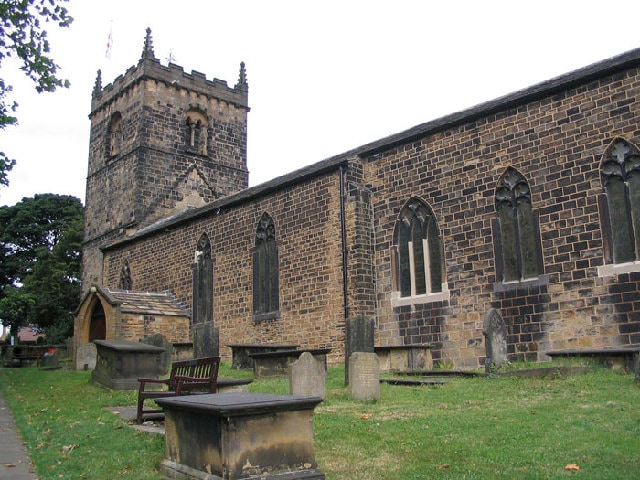
Church of St. Mary
William, Second Earl of Warenne, King Henry I, King Stephen, King Edward Ii
Foundation In 1135, Granting of A Fair By King Henry I, Confirmation of the Fair By King Stephen, Dissolution In 1539
About Woodkirk Priory
Woodkirk Priory was a monastic cell belonging to the Augustinian Canons, located in West Yorkshire, England. Its establishment dates to 1135, when William, the second earl of Warenne, granted the land for its foundation. The priory served as a dependency of Nostell Priory, a more significant Augustinian institution.
Historical Significance and Features
A notable aspect of Woodkirk Priory's history was its association with a significant fair. This fair was initially granted by King Henry I and later confirmed by King Stephen. It achieved particular fame during the reign of King Edward II, indicating its economic and social importance in the region.
The priory met its end during the Dissolution of the Monasteries, being dissolved in 1539. Following its dissolution, the priory's property eventually passed into the hands of the Savile family. While most of the priory's structures have been lost to time, the church dedicated to St. Mary endures. This church, a Grade II listed building, was partially reconstructed after suffering storm damage in 1832. Archaeological investigations of the priory grounds were undertaken in 1962 and 1966, providing insights into its past.
Source: Wikipedia ↗
Frequently Asked Questions
When was Woodkirk Priory founded?
Woodkirk Priory was founded in 1135. The land for its establishment was granted by William, the second earl of Warenne.
What religious order was Woodkirk Priory part of?
Woodkirk Priory was a cell of Augustinian Canons. It was also a dependency of Nostell Priory.
What is Woodkirk Priory known for historically?
The priory became the site of a famous fair, initially granted by King Henry I and later confirmed by King Stephen. This fair was particularly well-known during the reign of King Edward II.
What remains of Woodkirk Priory today?
The church dedicated to St. Mary is still standing and is a Grade II listed building. The other priory buildings have been demolished since its closure.
When was Woodkirk Priory dissolved?
Woodkirk Priory was dissolved in 1539. Following its dissolution, the property was acquired by the Savile family.
Related Monasteries

Blackmore Priory
Blackmore Priory was an Augustinian priory in Essex, England, established in the second half of the 12th century. It housed a Prior and twelve Canons who served the local parish while leading a monastic life. The priory experienced its peak in the late 14th century but was largely demolished in the 1520s due to the actions of Henry VIII and Cardinal Wolsey, eventually passing into secular hands.

Darley Priory
Darley Abbey was the site of an Augustinian monastery founded around 1160. Though it faced periods of poverty and was dissolved in 1538, remnants of its monastic past survive, most notably the Abbey Pub and a portion of a private dwelling. The area later developed into a significant industrial mill village, now recognized as part of the Derwent Valley Mills World Heritage Site.
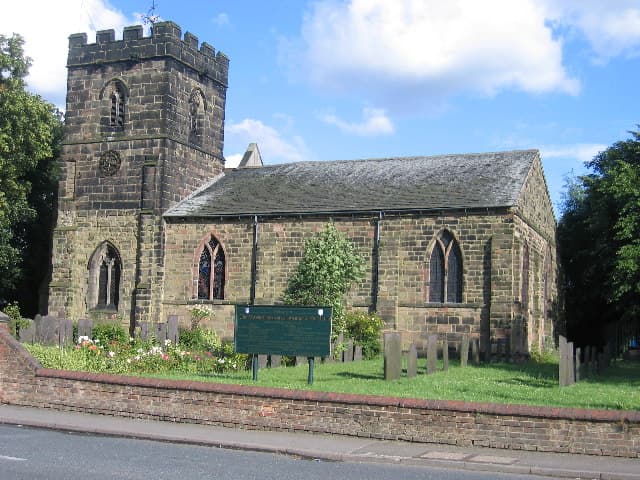
Gresley Priory
Gresley Priory was an Augustinian monastery founded in the 12th century in Church Gresley, Derbyshire, England. It played a significant role in the local community, with the Gresley family retaining influence over its direction for centuries. Following its dissolution in 1536, the priory church became the parish church of St George and St Mary, a role it continues to fulfill today, though much of the original monastic architecture has been lost to later rebuilding.